 Society
HCM City seeks stronger port connectivity, green transition
1.
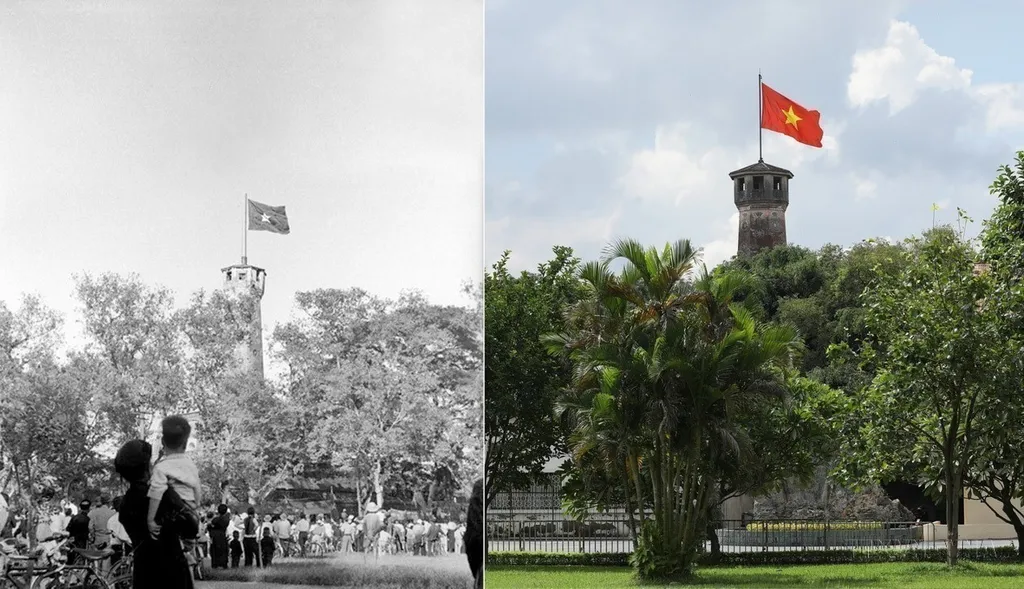 |
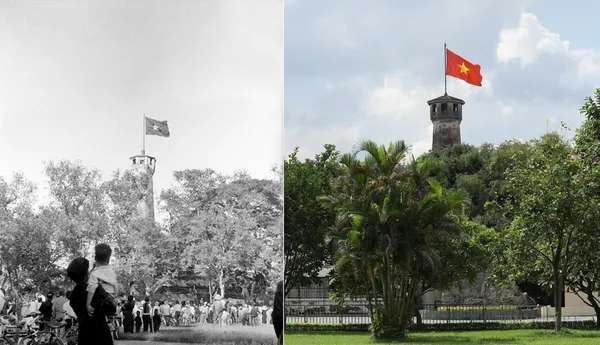
| The Hà Nội Flag Tower, more than 200 years old, is a special historical structure within the Thăng Long Imperial Citadel complex. More than a symbol of the capital, it bears witness to a heroic period of resistance and to the resilience and indomitable spirit of generations of Hanoians. On Liberation Day, October 10, 1954, the raising of the national flag atop the tower became a sacred moment for the people of the capital. |
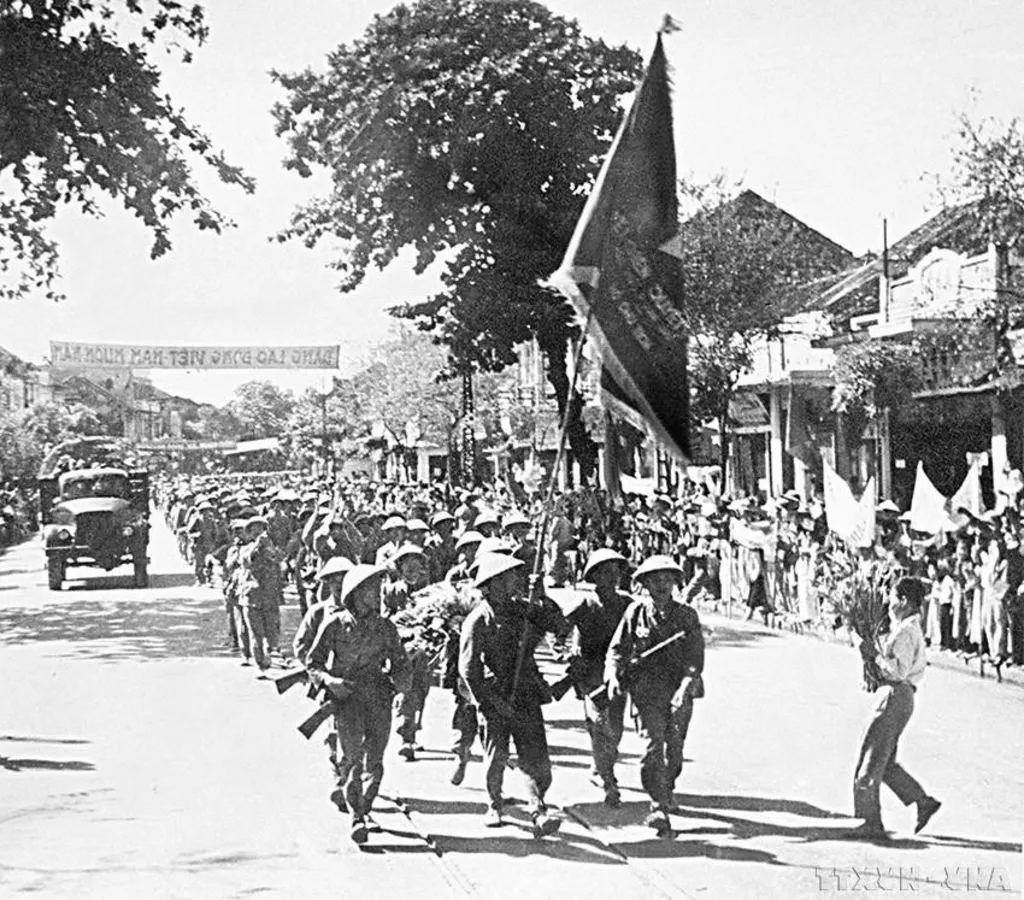 |
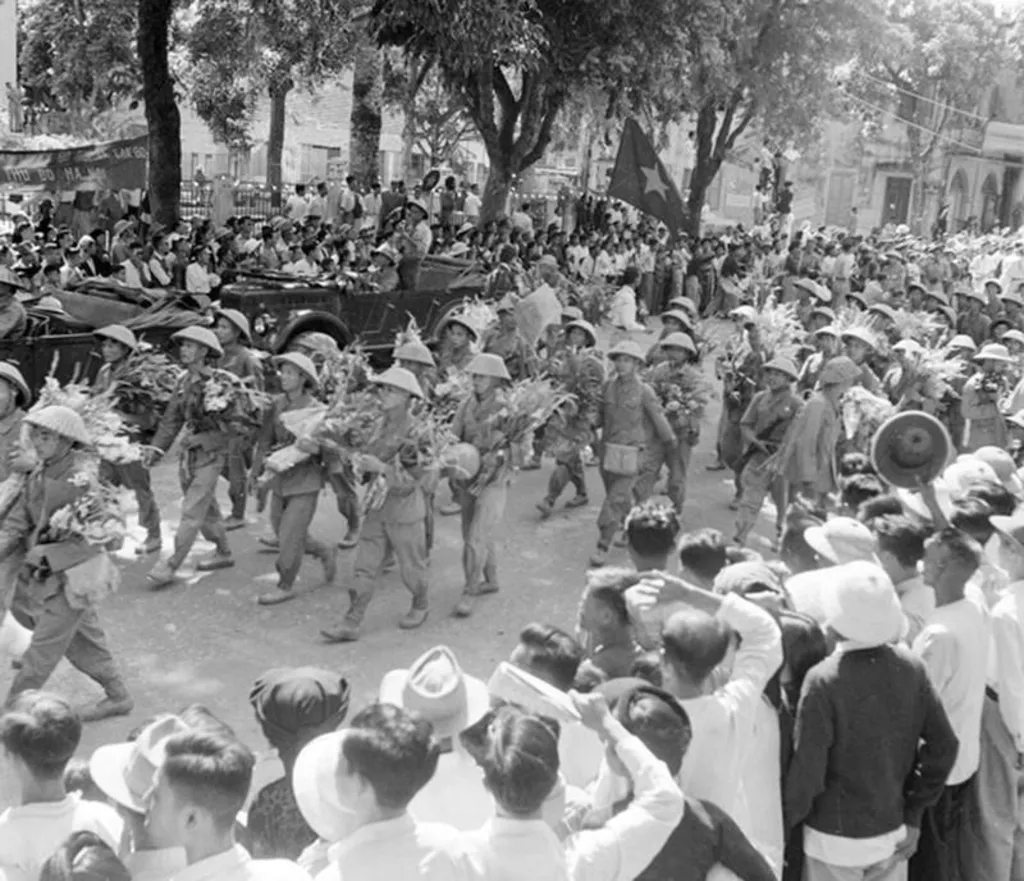
| Hà Nội residents warmly welcome and present flowers to soldiers on their way to take over the capital on the morning of October 10, 1954. |
 |
| Hà Nội residents warmly welcome and present flowers to soldiers on their way to take over the capital on the morning of October 10, 1954. |
 |
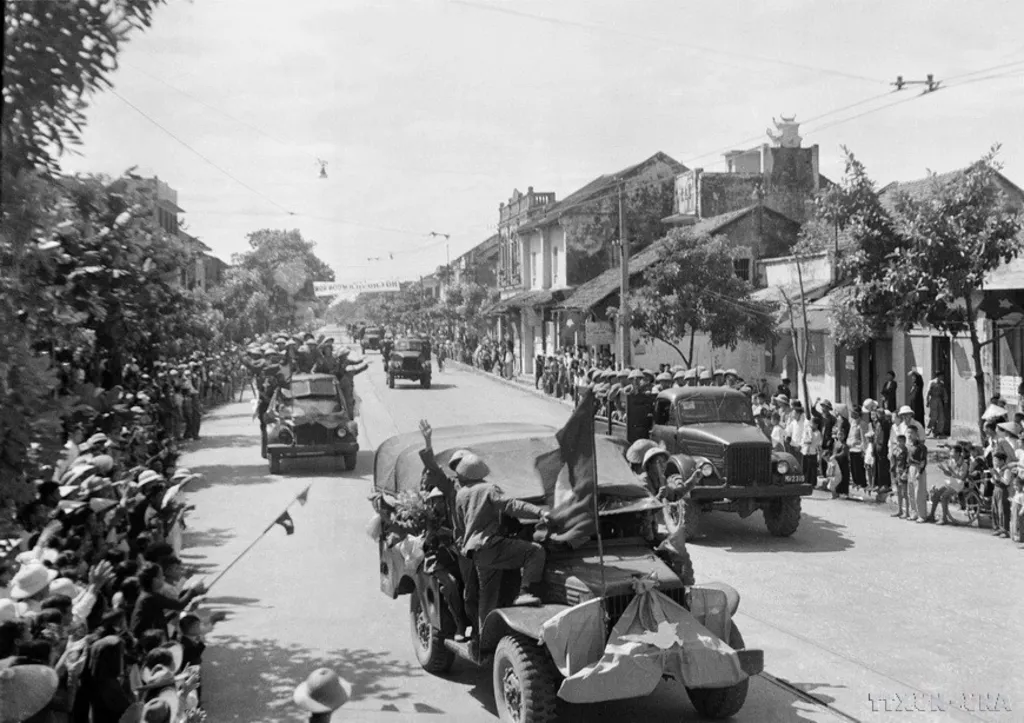
| On the morning of October 10, 1954, Hà Nội was awash with flags, flowers and banners for a great festive day. The capital resounded with the marching song of wave after wave of troops returning to liberate it, gloriously ending nine years of resistance against the French colonialists. Soldiers of the 88th and 36th regiments of the 308th Division march along Bạch Mai and Huế streets to take over the capital. |
 |
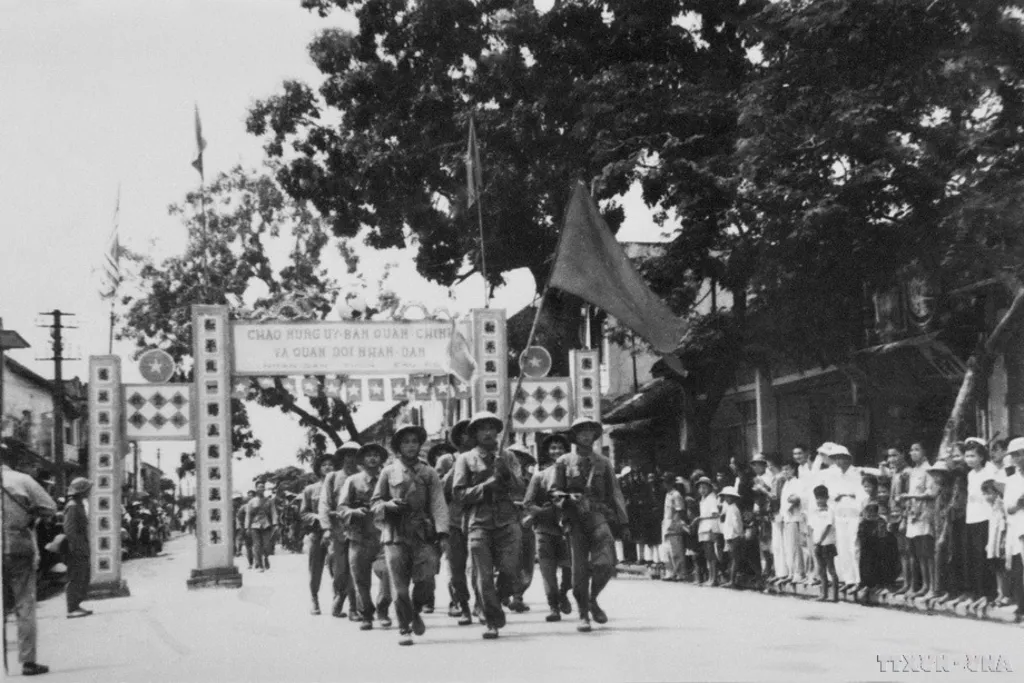
| From 6am on October 10, 1954, the Capital Regiment advances from the Cầu Giấy Gate towards Cửa Nam. |
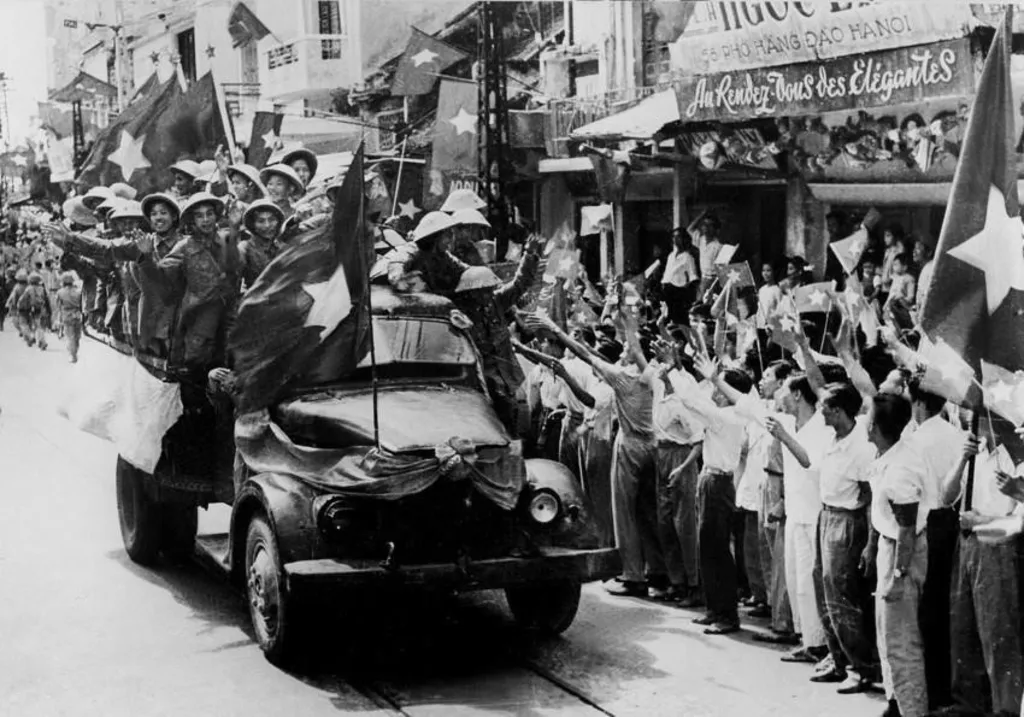 |
| On the morning of October 10, 1954, troops of the Vanguard Division enter the liberated capital through the city gates, greeted by a forest of flags and flowers held by 200,000 Hanoians. |
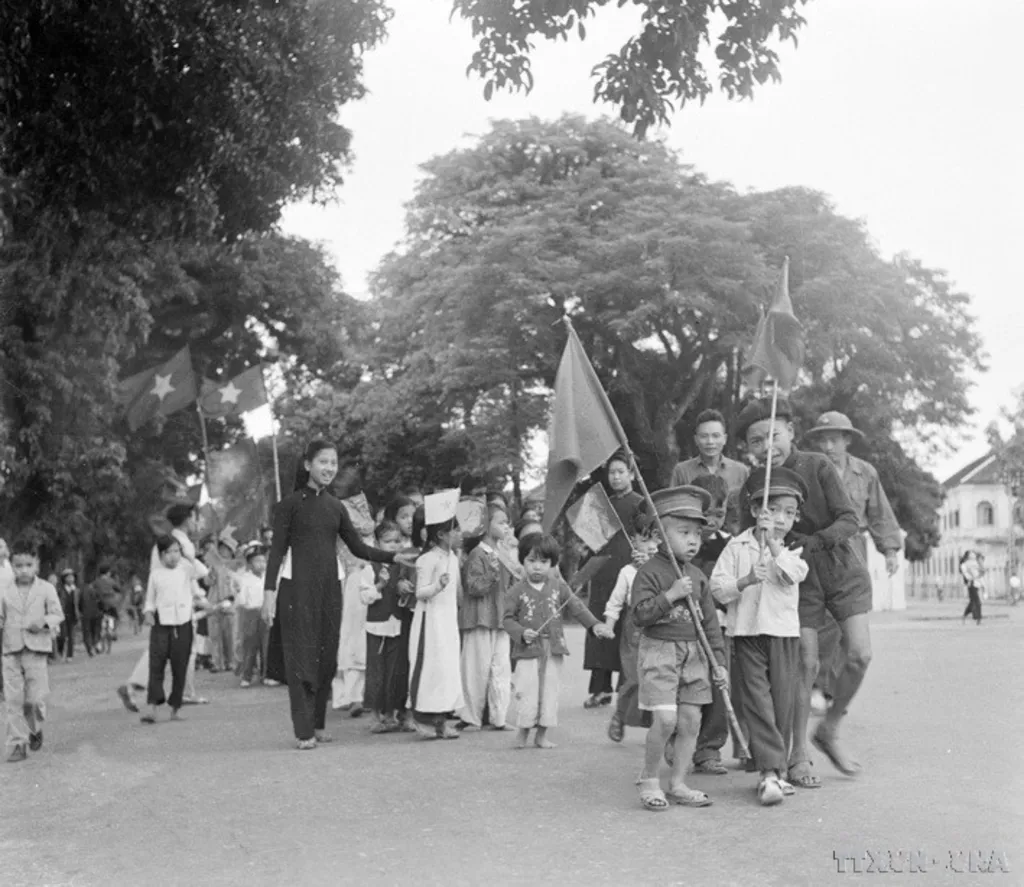 |
| Hà Nội children and their families carry flags to welcome the soldiers returning to liberate the capital. |
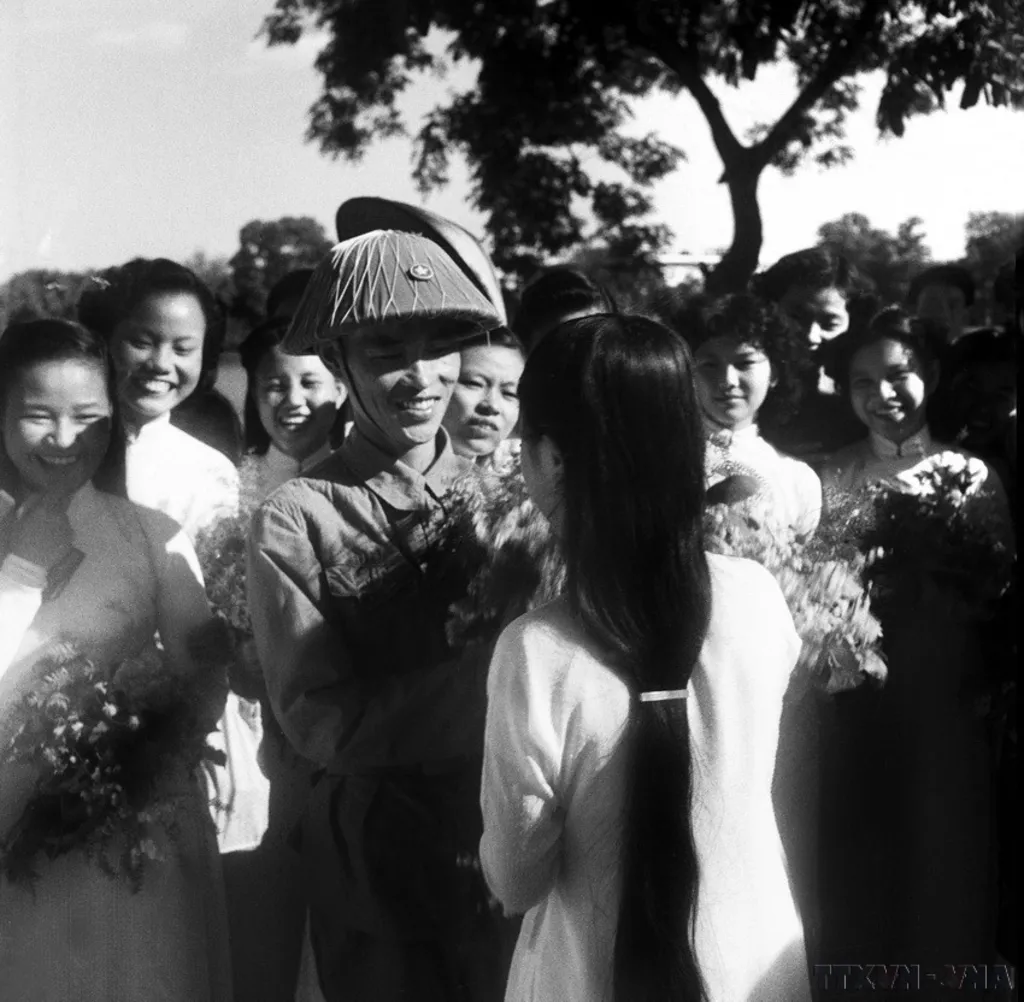 |
| Major General Vương Thừa Vũ, Commander of the 308th Division and Chairman of the City Military Administration Committee, is surrounded by Trưng Vương School students presenting him with flowers beside Hoàn Kiếm Lake on Liberation Day, October 10, 1954. |
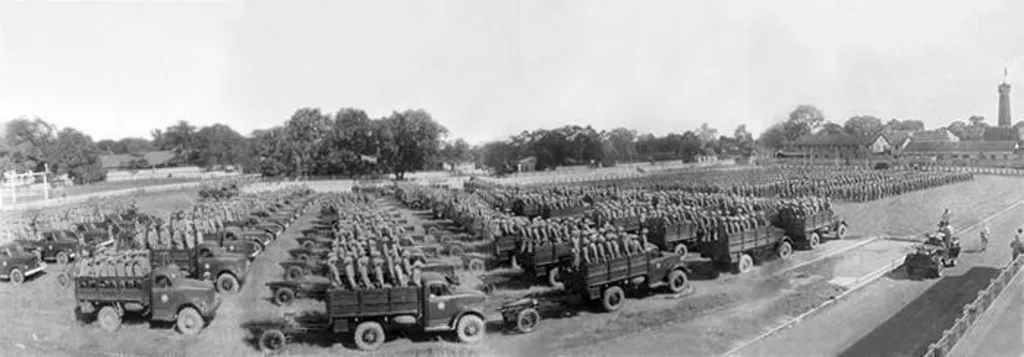 |
| Units of the 308th Division taking over Hà Nội hold the first flag-salute ceremony of Liberation Day at the Flag Tower yard (now Đoan Môn, Thăng Long Imperial Citadel) at 3pm on October 10, 1954. |
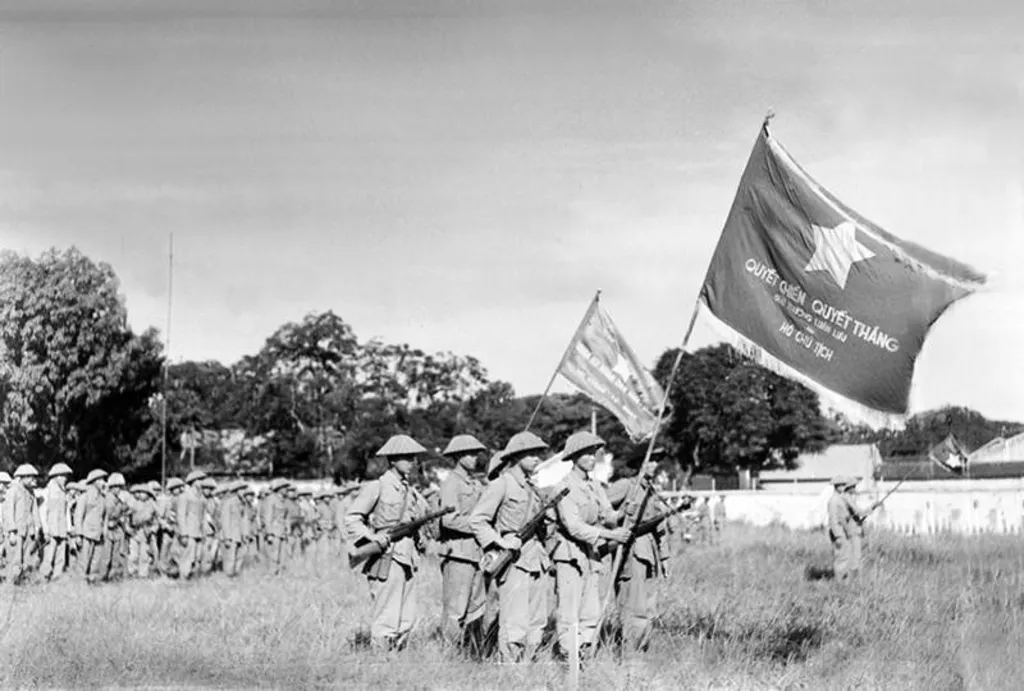 |
| A unit of the Capital Regiment, bearing the “Determined to Fight, Determined to Win” flag presented by President Hồ Chí Minh, attends the first flag-salute ceremony of Liberation Day at the Flag Tower yard (now Đoan Môn, Thăng Long Imperial Citadel) at 3pm on October 10, 1954. |
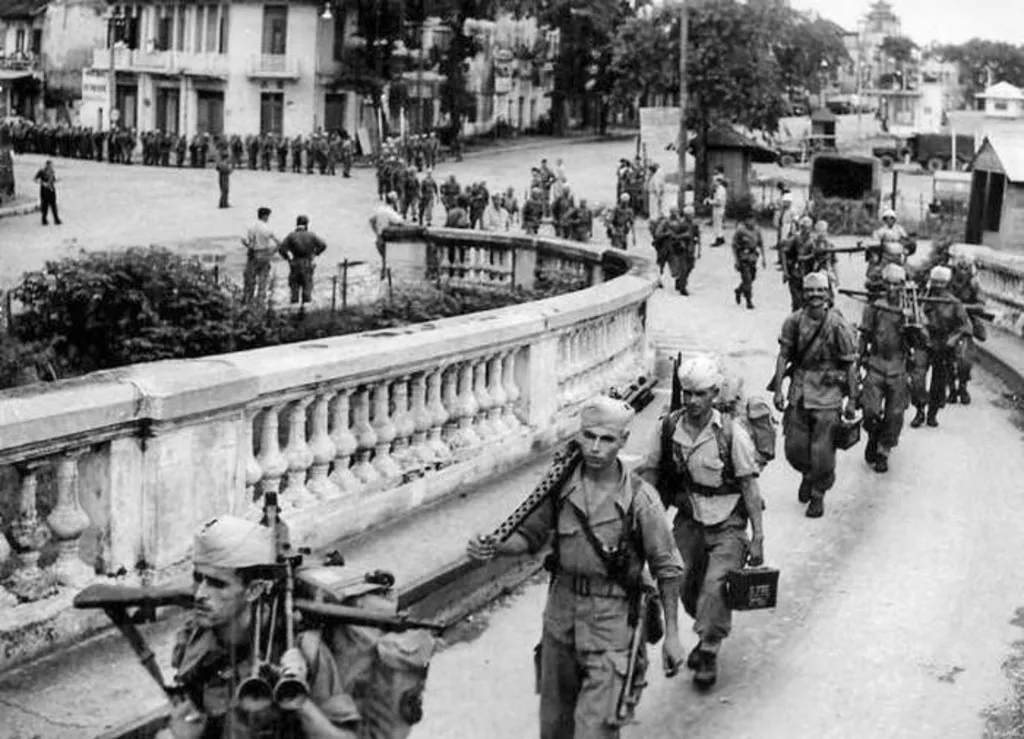 |
| The last French soldiers withdraw across Long Biên Bridge on their way to Hải Phòng on the afternoon of October 9, 1954. |
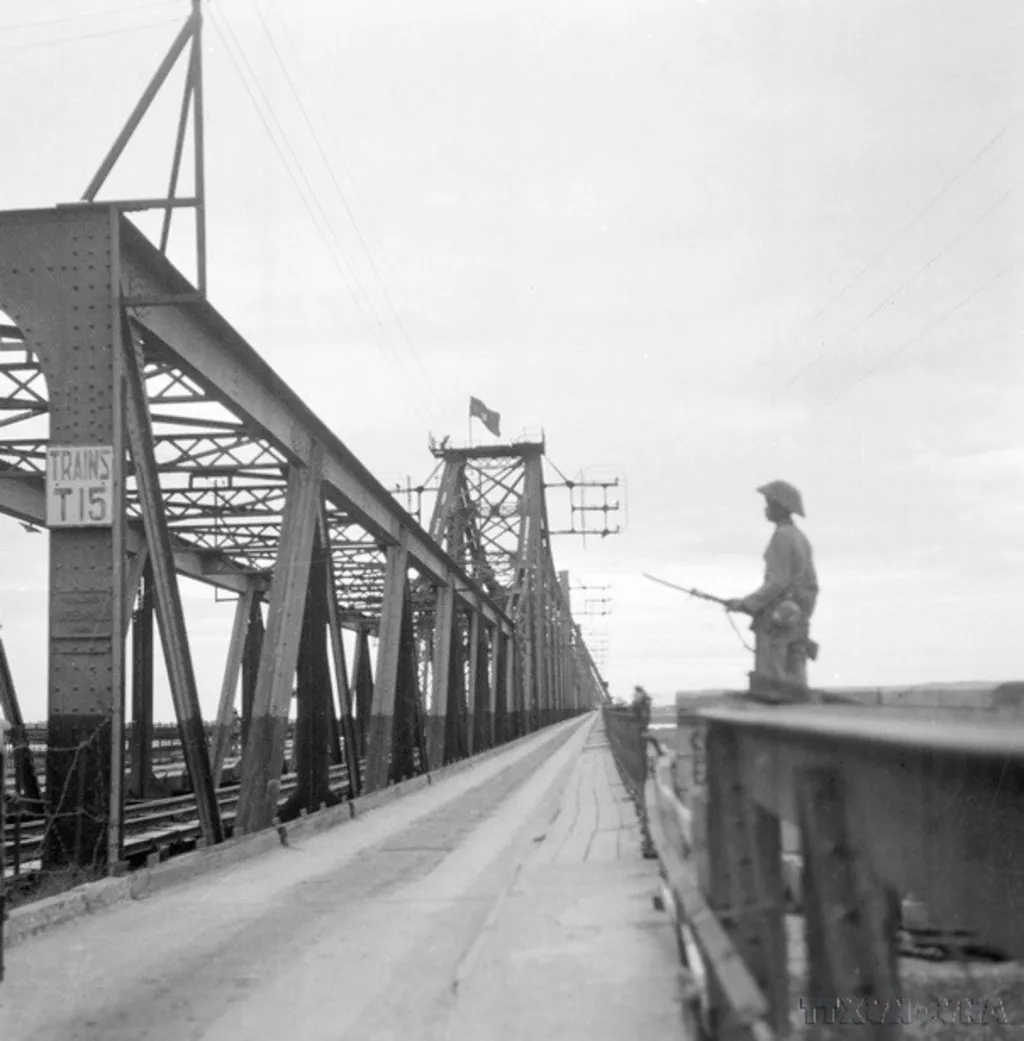 |
| A Việt Nam People’s Army soldier stands guard on Long Biên Bridge on the afternoon of October 9, 1954, after the last French troops had left the capital over the bridge for Hải Phòng. |
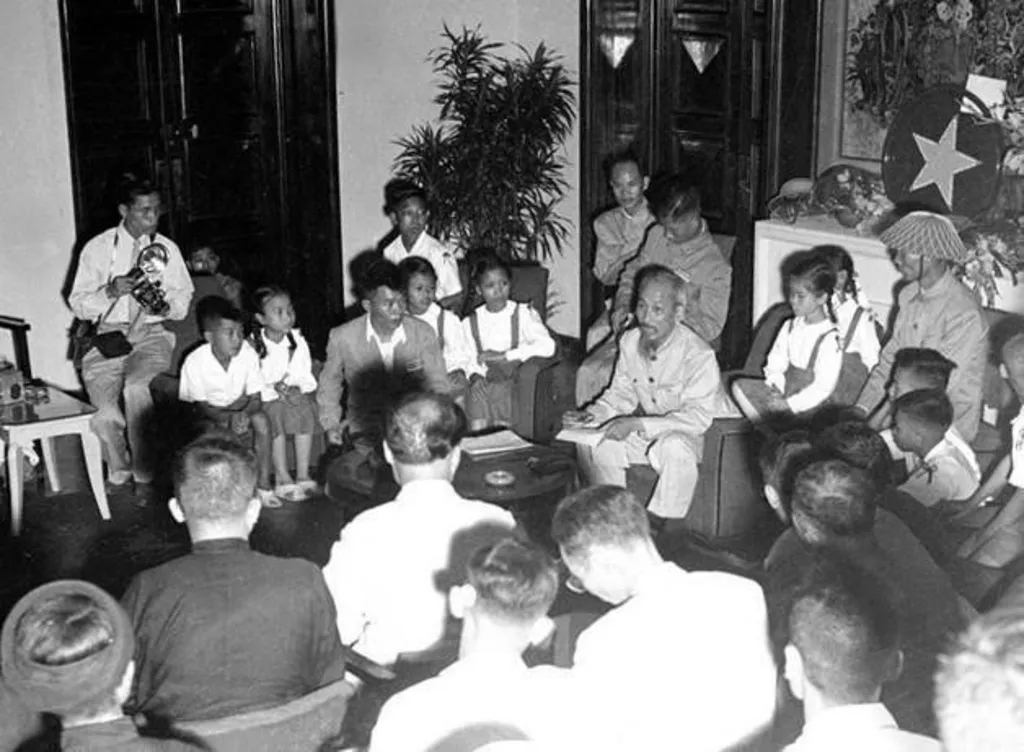 |
| President Hồ Chí Minh receives representatives of the people of the capital on October 16, 1954. |
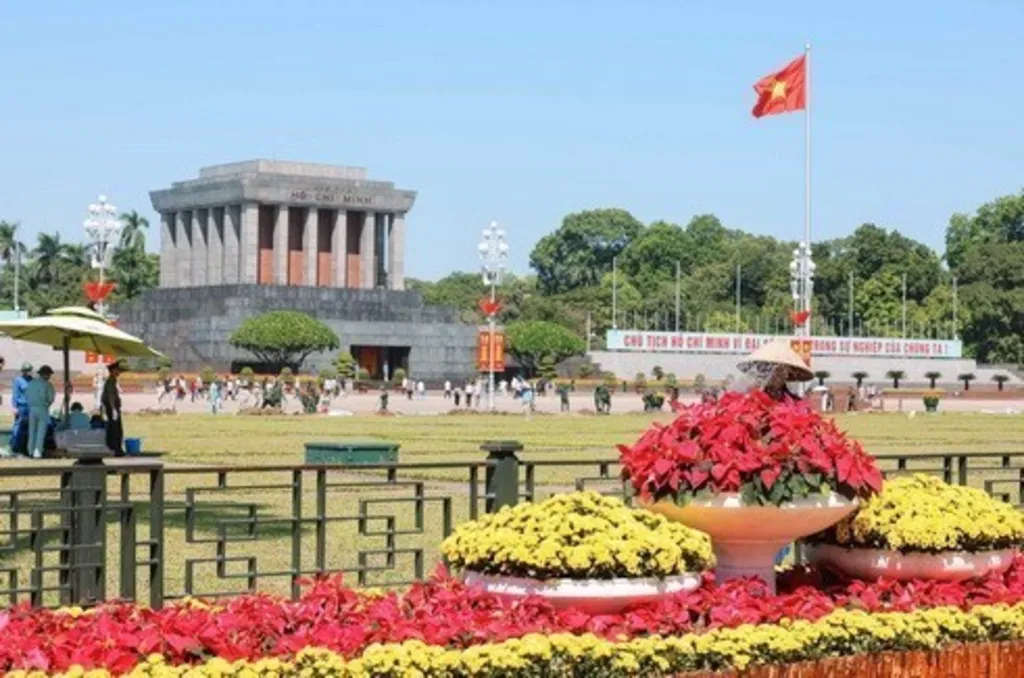 |
| Ba Đình Square is brilliantly decked with flags and flowers to mark the 72nd anniversary of the capital’s Liberation Day (October 10, 1954–2026). |
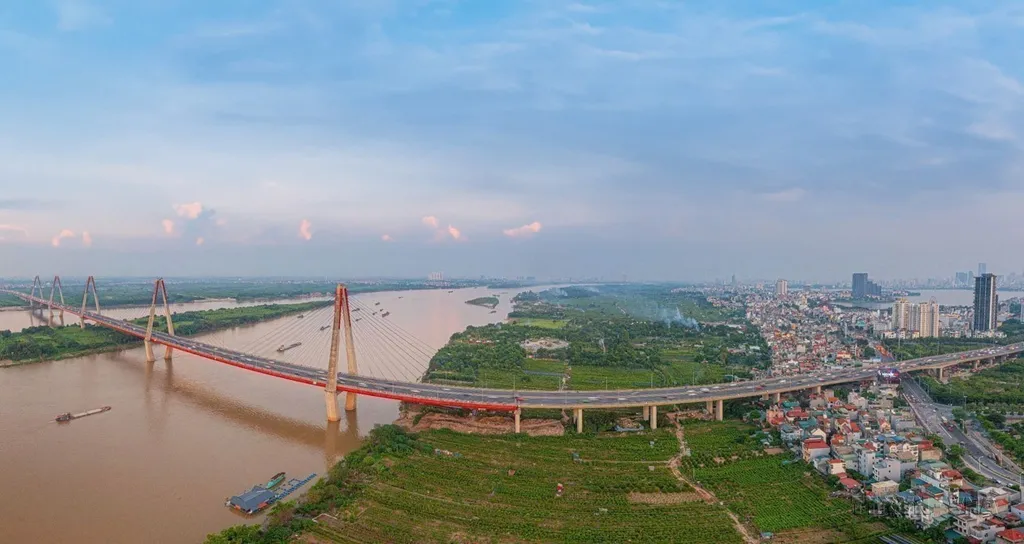 |
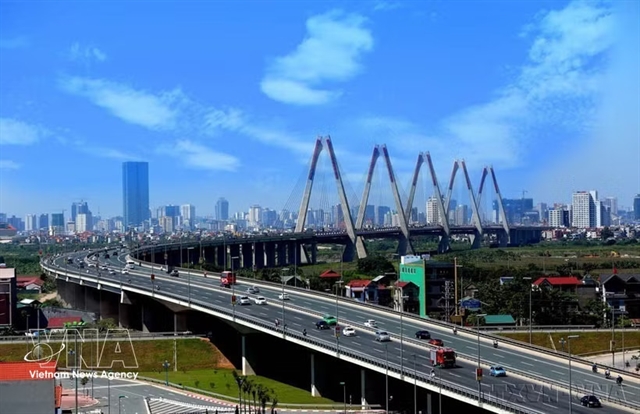
| Nhật Tân Bridge is one of the three bridges with the most cable-stayed spans in the world. Its five towers symbolise Hà Nội’s five city gates and the five petals of the peach blossoms of Nhật Tân peach village. |
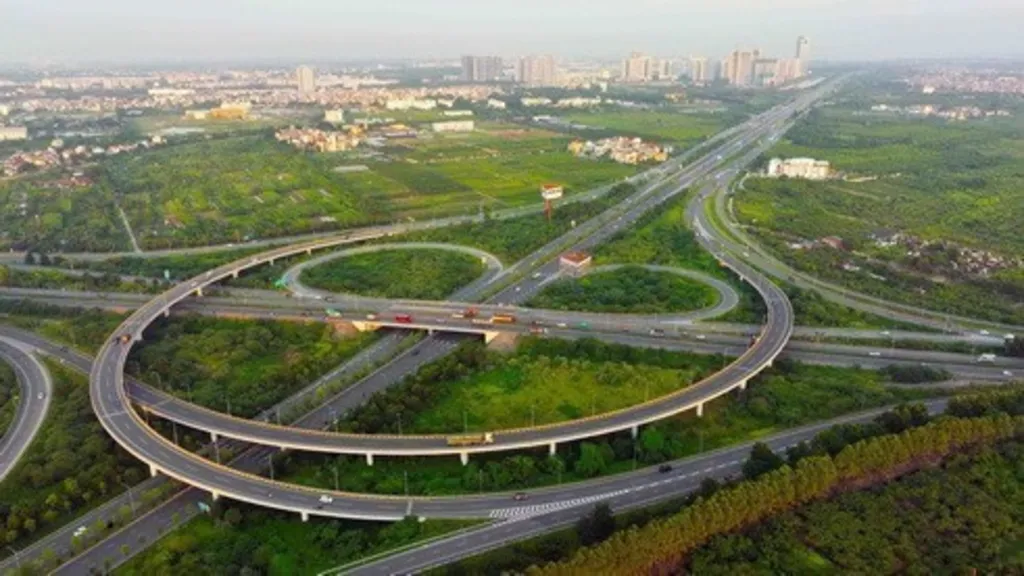 |
| The interchange at the start of the Hà Nội–Hải Phòng Expressway, one of the most modern expressways in Việt Nam. |
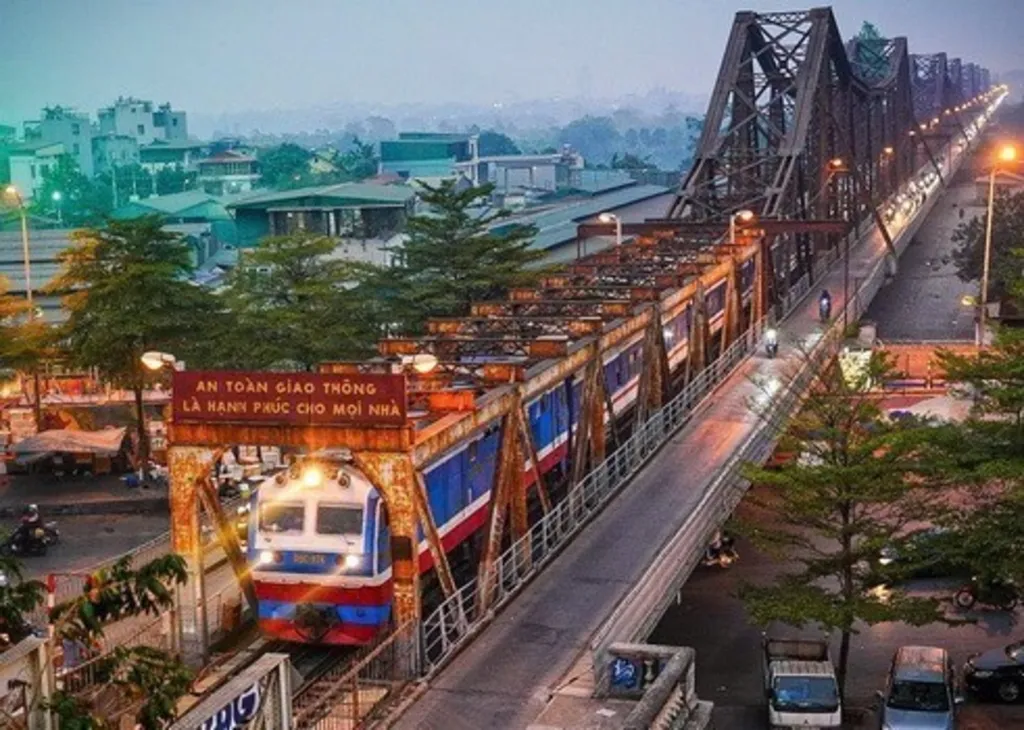 |
| With more than 120 years of history, Long Biên Bridge is where Hà Nội’s past and present meet. The heritage site stands out not only for its old-world architecture, a blend of Vietnamese and Western influences, but also as a “historical witness”, one of the symbols of the capital and a source of pride for Hanoians (2025). |
 |
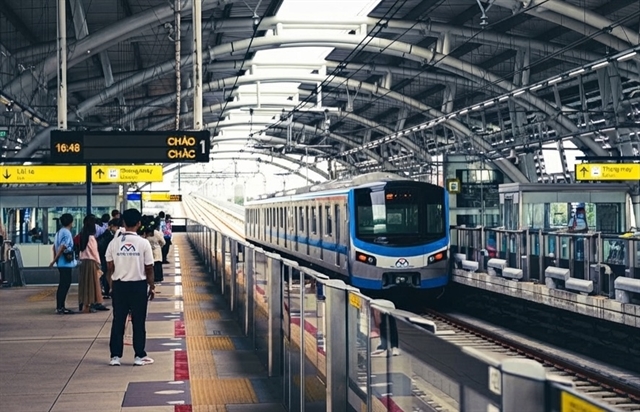
| Hà Nội’s urban landscape is increasingly modern and traffic congestion has eased considerably, boosting socio-economic development. In the photo: The Cát Linh–Hà Đông urban railway, the country’s first metro line, has become a daily means of transport for many residents of the capital. |
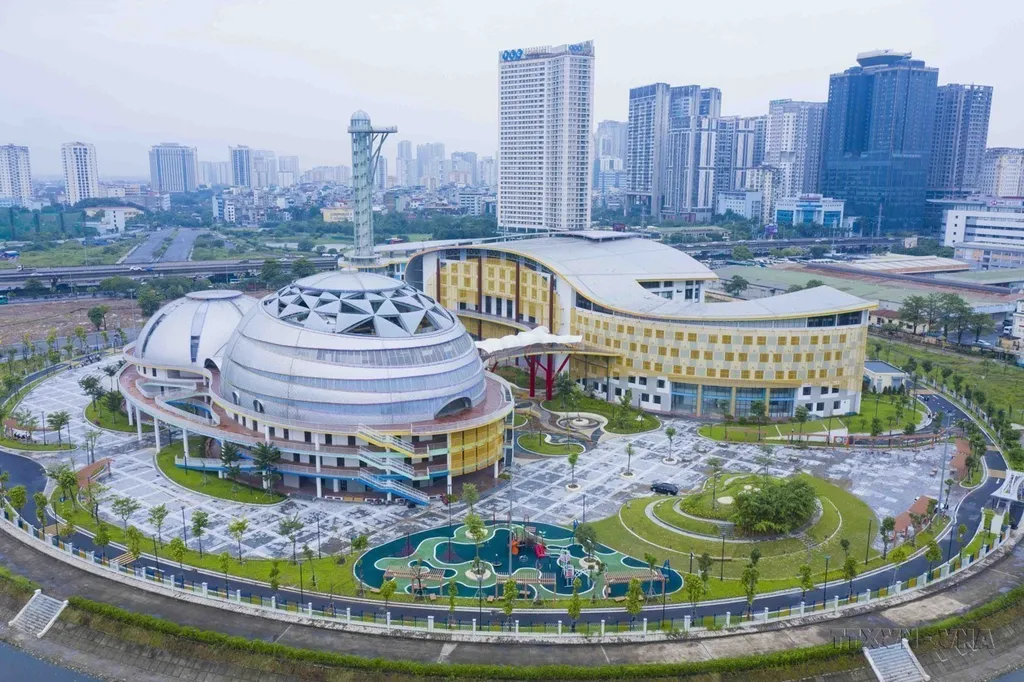 |
| The Hà Nội Children’s Palace, in the CV1 regulating lake park of the Cầu Giấy new urban area, Nam Từ Liêm, is the largest and most modern project for children in Việt Nam, meeting the learning, recreation, entertainment and sports needs of children in the capital and nationwide (2024). |
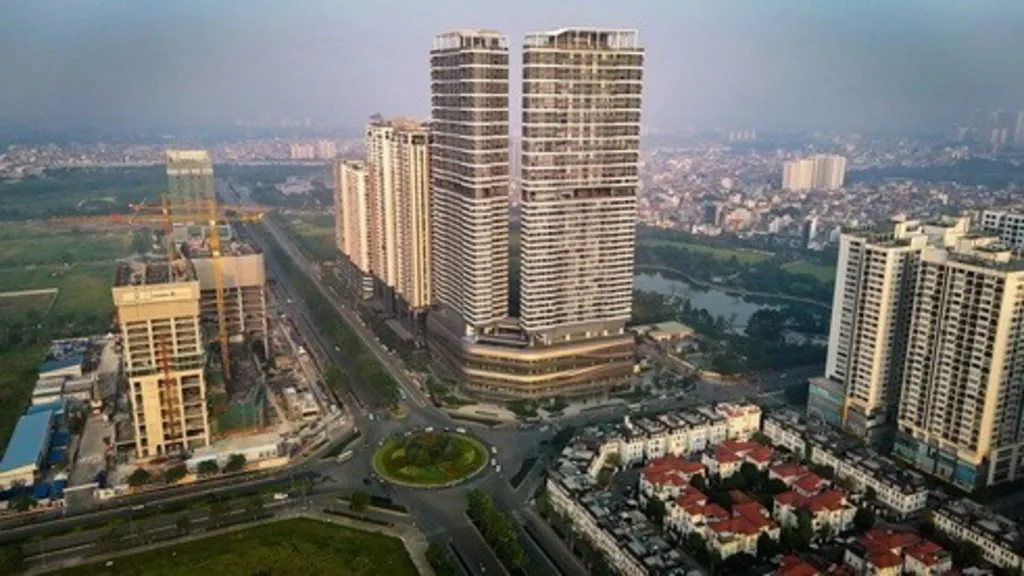 |
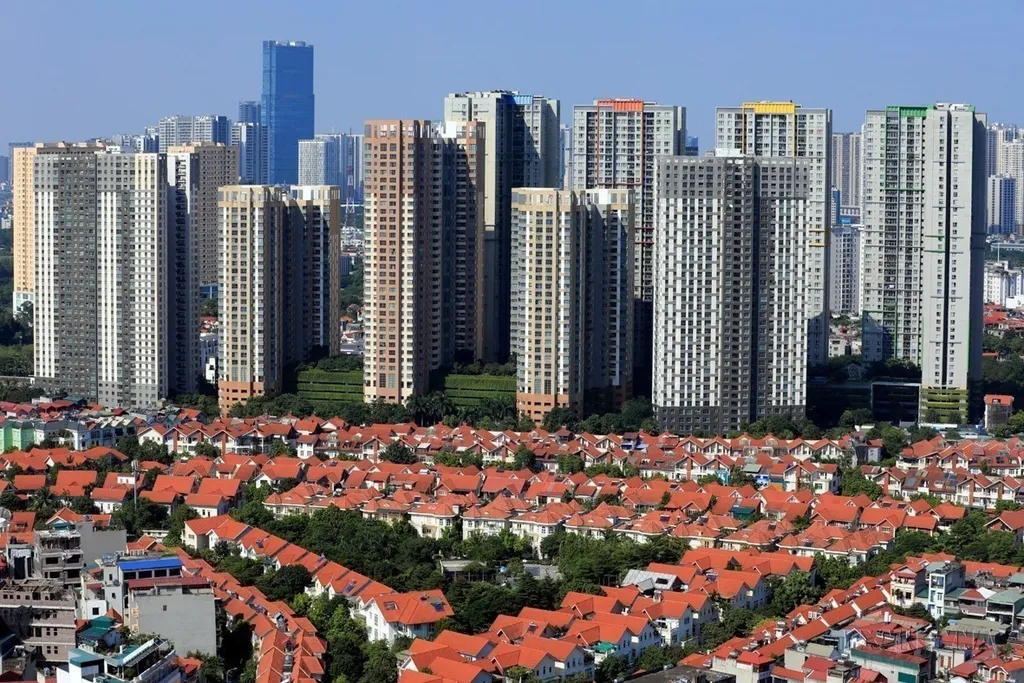
| Many high-rise buildings continue to be built and completed in the Tây Hồ Tây urban area in Hà Nội. |
Society
 Society
 Society
 Society
 Society
 Society
 Society
 Society
 Society
 Society
 Society
 Society
 Society
 Society
 Society