 Society
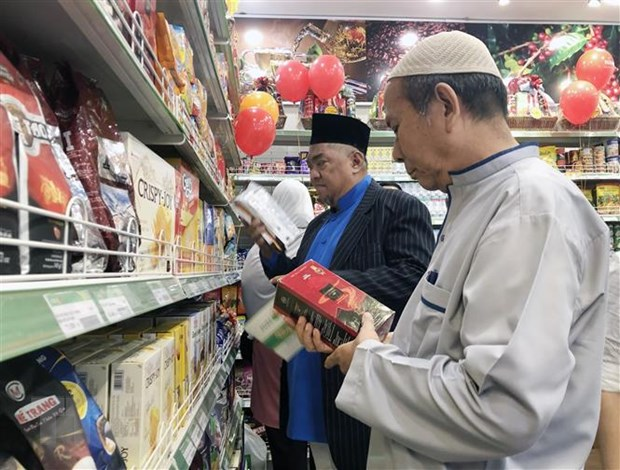
Việt Nam has five Halal certification bodies recognised by Malaysia
1.
|
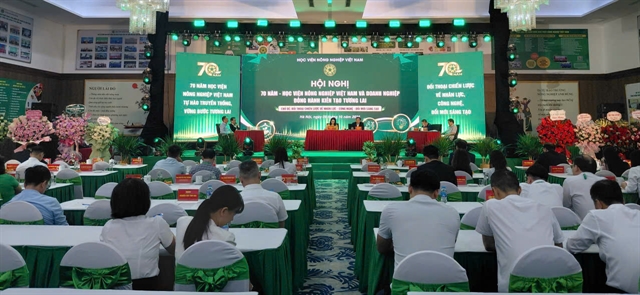
| Delegates at the meeting. — VNA/VNS Photo Tố Như |
HÀ NỘI — Universities and agribusinesses are moving to tighten links on training, applied research and technology transfer to meet modern production demands and sharpen competitiveness, delegates told a conference on Friday.
At the “70 Years – Vietnam National University of Agriculture and enterprises co‑creating the future” conference, speakers outlined ways to connect classrooms with factory floors and fields.
"Businesses should engage throughout the training pipeline,” said Prof. Dr. Nguyễn Thị Lan, Director of the Vietnam National University of Agriculture.
She urged employers to forecast labour demand, define role‑based competencies, co‑design curricula, supervise internships and bring real‑world problems into coursework.
Speakers said agriculture must boost efficiency, cut emissions, adapt to climate change and ensure traceability. That requires workers who can master technology and solve practical problems – not just hold technical knowledge.
Cooperation should extend to commissioned research and technology transfer, with companies surfacing production and market challenges and universities testing solutions.
“Students have solid technical foundations but often lack hands‑on experience,” said Vũ Anh Tuấn, Deputy General Director of C.P. Vietnam Corporation.
He cited rising demand for skills in data analytics, artificial intelligence, the Internet of Things and automation, along with food technology, agricultural engineering and agricultural economics.
More than 200 scientific and technological outputs over the past decade have gained intellectual property protection, circulation approval or recognition as technical advances. Clearly defining enterprise needs early helps target research and speed up adoption, delegates noted.
Đinh Cao Khuê, Chairman and General Director of Đồng Giao Food Export JSC (DOVECO), said the company cultivates tens of thousands of hectares of pineapple. Cutting costs by VNĐ10 million (US$386) per hectare would deliver major gains for growers and sharpen competitiveness.
DOVECO wants deeper collaboration in mechanisation, automation, breeding and cultivation protocols. For pineapple, research must match processing and export requirements, local climate and crop resilience in raw‑material regions. Cooperation so far has supported high‑quality processed products, including natural fruit juices popular in export markets, he said.
In seed breeding, Trần Mạnh Báo, Chairman of ThaiBinh Seed, urged domestic seed autonomy, technological renewal and stronger R&D. New varieties should yield well, resist pests, lodge less and adapt to conditions.
“Research must start from the real needs of fields and producers,” he said.
Former agriculture minister Nguyễn Xuân Cường, now a senior advisor to the university, said engagement should be continuous, not confined to matchmaking events. Businesses can define hiring needs, provide curriculum feedback, host interns and commission studies. Universities should pick problems with strong application potential, run trials and measure transfer effectiveness.
The university says it partners with more than 200 enterprises, dedicates nearly VNĐ60 billion a year to merit scholarships and has mobilised close to VNĐ3 billion in sponsored scholarships for talented and disadvantaged students. Scholarships for the 2026–2027 academic year were announced at the event.
As the farm sector goes greener and more digital, the winning edge will be a skilled, tech‑savvy workforce. Tying business demands to curricula, research agendas and tech transfer, delegates said, can lift university standards and spark sector‑wide innovation. — VNS
Society
 Society
 Society
 Society
 Society
 Society
 Society
 Society
 Society
 Society
 Society
 Society
 Society
 Society
 Society