At the Hà Nội Irradiation Centre (HIC), part of the Việt Nam Atomic Energy Institute (VINATOM), nuclear science is advancing healthcare through the production of radiopharmaceuticals that help doctors detect cancer earlier and make more informed treatment decisions.
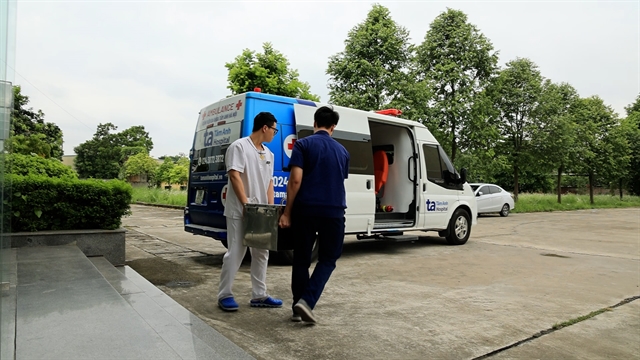 |
| The Hà Nội Irradiation Centre (HIC) comes alive twice a day, at 6.15am and 12.30pm, when vehicles from hospitals arrive to collect freshly produced radiopharmaceuticals. — VNS Photo Hải Anh |
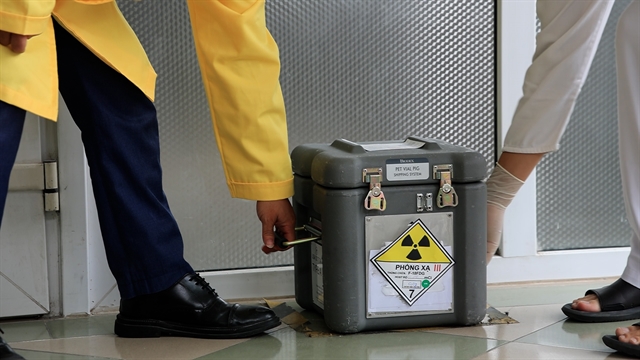 |
| Inside the shielded transport containers is 18F-FDG (Fluorodeoxyglucose), a radioactive glucose analogue used in PET/CT imaging. — VNS Photo Hải Anh |
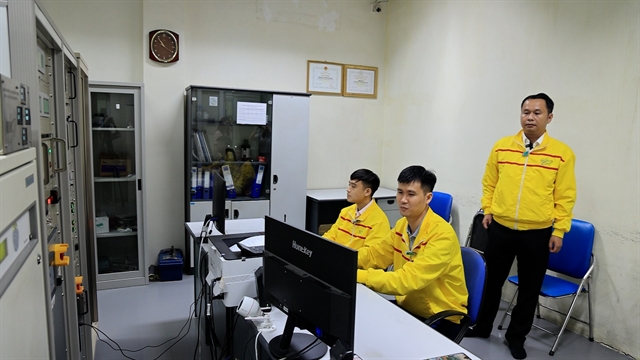 |
| Behind every batch of radiopharmaceuticals is a race against time, with engineers, pharmacists and technicians beginning work while the city is still asleep. — VNS Photo Hải Anh |
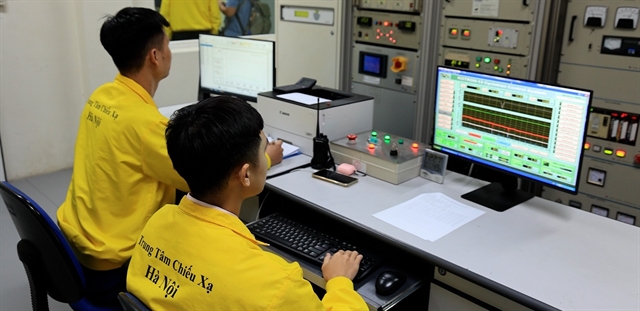 |
| Each production run can supply four or five hospitals. — VNS Photo Hải Anh |
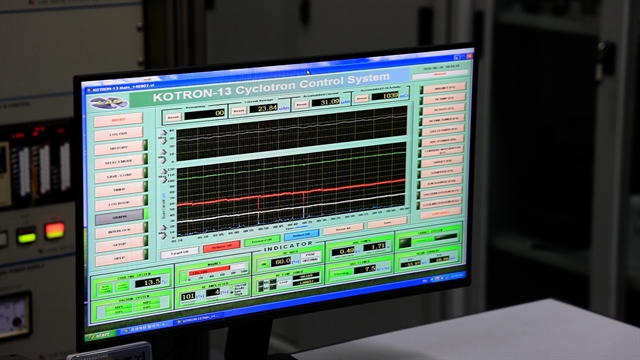 |
| Before the centre could begin supplying FDG to hospitals, it spent eight years meeting regulatory requirements to ensure every dose complied with strict safety and quality standards. — VNS Photo Hải Anh |
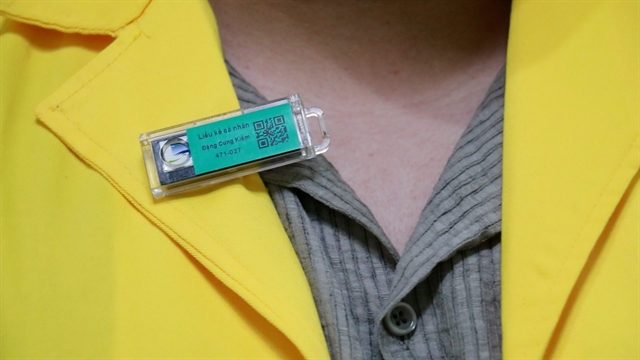 |
| Technicians are required to wear personal dosimeters while entering controlled radiation areas. — VNS Photo Khánh An |
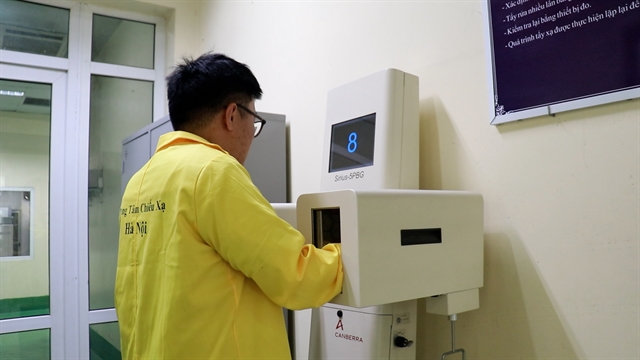 |
| Radiation safety is an essential part of every production cycle. — VNS Photo Khánh An |
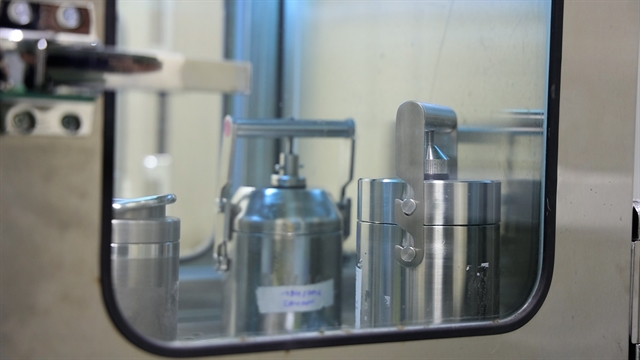 |
| Each production batch must pass nine quality-control tests. — VNS Photo Hải Anh |
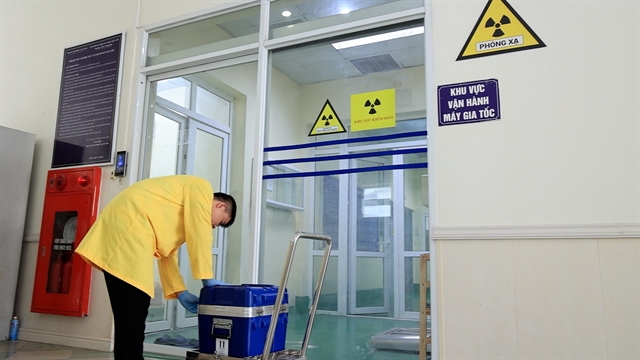 |
| When the work is finished, the radiopharmaceuticals must be delivered to hospitals within 30 minutes, as 18F-FDG has a physical half-life of just over 109 minutes, meaning its radioactivity decreases by half in less than two hours. — VNS Photo Hải Anh |
 Society

 Society
 Society
 Society
 Society
 Society
 Society
 Society
 Society
.jpg) Society
Society
 Society
 Society
 Society
 Society
 Society