 Society

Top Vietnamese leader meets with Belgian Senate Speaker, House President
1.
|
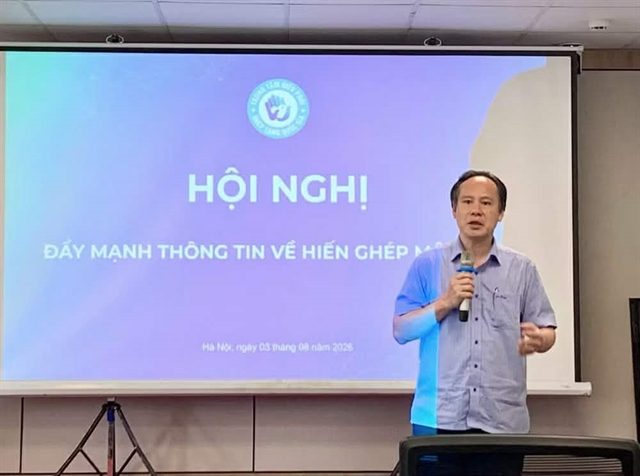
| Nguyễn Hoàng Phúc, deputy director of the Việt Nam National Coordinating Centre for Human Organ Transplantation, speaks at the conference. — VNA/VNS Photo |
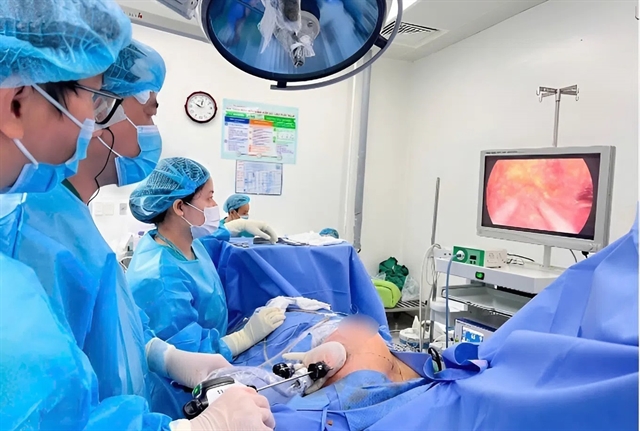
HÀ NỘI — The Ministry of Health (MoH) has submitted eight proposed policy amendments to the Government to finalise the legal framework for tissue and organ donation and transplantation. While some provisions will be codified directly into law, others will be detailed through Government decrees and MoH circulars.
A key focus of these amendments is the management and allocation of human tissues and organs. The proposed priority list for transplantation is as follows: emergency cases, children, former tissue/organ donors, first-degree relatives of donors, and those who have spent the longest time on the national waiting list. Furthermore, the coordination process aims to balance national efficiency with incentives for medical facilities to identify potential donors, provide counseling, and maintain donors following brain or circulatory death.
Nguyễn Hoàng Phúc, deputy director of the Việt Nam National Coordinating Centre for Human Organ Transplantation (VNCCHOT), told a conference on strengthening communications on tissue and organ donation and transplantation, organised by the VNCCHOT in Hà Nội on Monday afternoon.
According to Phúc, the MoH is drafting the amended Law on Donation, Removal and Transplantation of Human Tissues and Organs and Donation and Removal of Cadavers, with a number of specific provisions.
He said that at present, tens of thousands of people across the country continued to suffer from medical conditions for which organ transplantation was indicated, while the supply of donated organs remained extremely scarce.
This requires the relevant agencies to continue introducing appropriate measures, ranging from public communication, counselling and mobilisation to adjustments to related legal policies.
Phúc stressed that the amendments are expected to remove many existing obstacles, particularly those relating to the age of organ donors, the conditions for organ donation after brain death, the management and use of tissues and organs, and the introduction of provisions on organ donation after circulatory death.
According to statistics from the VNCCHOT, the number of organ donations from brain-dead donors in Việt Nam has shown a number of positive changes over the past three years. The movement to donate tissues and organs after brain death has continued to expand, helping to increase the number of people whose lives have been saved through tissue and organ transplantation.
While the country recorded 41 brain-dead organ donors in 2024, the figure rose to 66 last year – the highest annual number recorded to date.
In the first seven months of this year, there were 46 such cases.
Last month alone, eight brain-dead organ donors were recorded, the highest monthly figure ever reported.
This represents a particularly significant milestone, reflecting a positive shift in public awareness of tissue and organ donation after death.
The eight donors helped save many patients suffering from tissue and organ failure. Numerous hearts continued to beat, while livers, kidneys, lungs, corneas and other tissues and organs were successfully transplanted, giving many patients across the country a chance to live again.
These are not merely statistical figures, but vivid evidence of the powerful spread of the spirit of compassion and the result of the persistent efforts of many groups and individuals. — VNS
Society
 Society
 Society
 Society
 Society
 Society
 Society
 Society
 Society
 Society
 Society
 Society
 Society
 Society
 Society