 Society
Four killed in collision between two motorbikes in northern city
1.
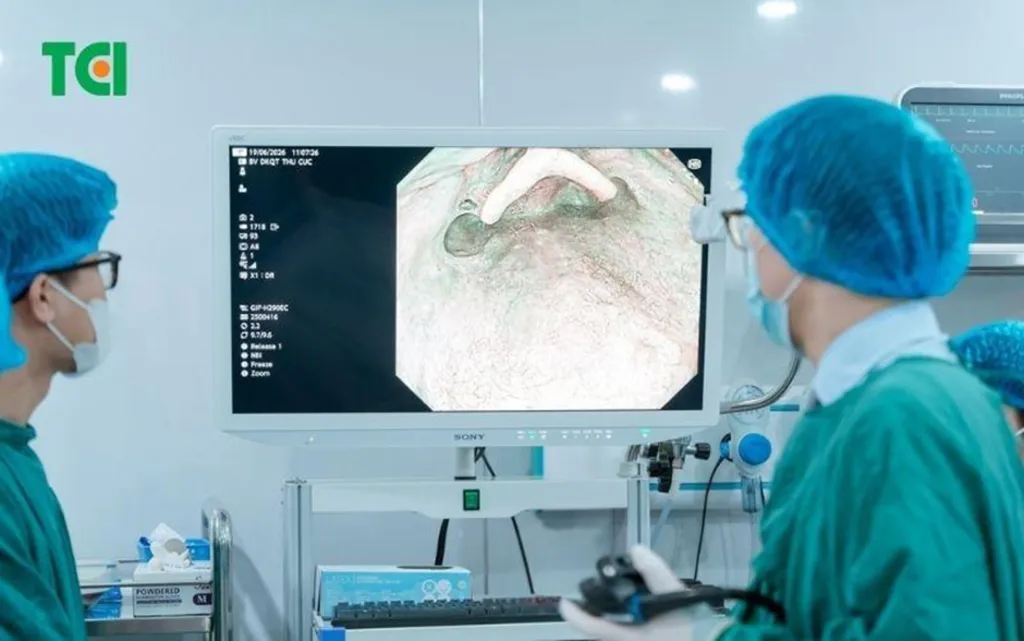 |
| Gastric images from advanced endoscopy performed at TCI for patient B.T.H. Photo courtesy of TCI |
Endocyto 520x ultra-magnifying endoscopy enabled an in-depth assessment of gastric lesions, helping evaluate cancer risk, support clinical decision-making and guide follow-up care for a 44-year-old woman who had lived with atrophic gastritis for a decade.
When persistent gastric symptoms signal a more serious condition
For many years, B.T.H. (44, from Hà Nội) experienced recurrent dull epigastric pain, bloating and indigestion after meals. Her symptoms appeared intermittently and often improved with medication, leading her to discontinue regular medical follow-up.
Examination at Thu Cúc TCI High-tech Gastrointestinal Endoscopy Centre revealed atrophic gastritis. According to gastroenterology specialists, this condition occurs when gastric glands decrease in number or gradually lose their function due to prolonged inflammation, often associated with Helicobacter pylori infection or chronic gastritis.
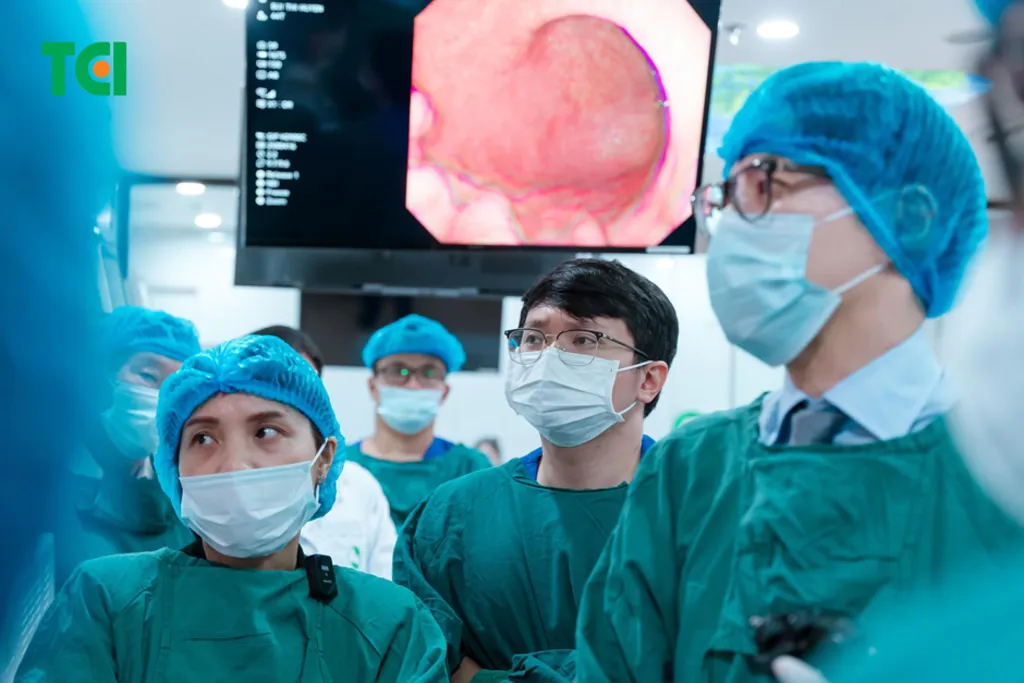 |
| A patient undergoes endoscopy performed by leading Japanese expert Associate Professor Masashi Misawa, M.D., Ph.D., during a hands-on session organised by TCI. Photo courtesy of TCI |
Atrophic gastritis is not gastric cancer. However, according to international guidelines, it is considered a precancerous gastric lesion that requires monitoring, as it may progress through stages of intestinal metaplasia and dysplasia before developing into gastric cancer.
Notably, these lesions often progress silently over many years without specific symptoms. Many patients experience signs similar to common digestive disorders, such as bloating, indigestion or occasional epigastric discomfort.
According to GLOBOCAN data, gastric cancer remains one of the leading causes of cancer incidence and mortality in Việt Nam. Detecting and monitoring precancerous lesions is therefore considered important in reducing the risk of progression to advanced-stage disease.
Endocyto 520x helps assess precancerous lesions
After identifying atrophic gastritis, doctors continued to use the Endocyto 520x ultra-magnifying endoscopy system to evaluate the lesion characteristics in greater detail.
Unlike conventional endoscopy, which mainly observes the gross morphology of the mucosa, Endocyto 520x can magnify images up to 520 times, supporting the assessment of glandular structures, microvasculature and cellular features during the endoscopic procedure. The technology was developed from advances in Endocytoscopy, a field of research that has been applied and evaluated by Japanese experts over many years.
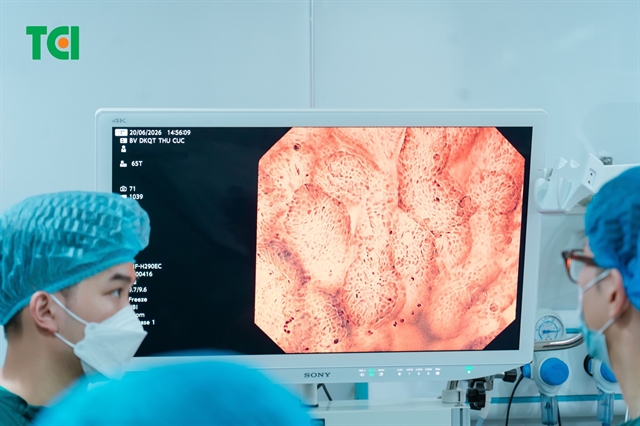 |
| Endocyto 520x was developed from advances in Endocytoscopy with the aim of visualizing cells clearly during the endoscopic procedure. Photo courtesy of TCI |
In addition to its high magnification capability, Endocyto integrates advanced imaging technologies such as TXI, EDOF, NBI, RDI and real-time artificial intelligence (AI). These features enhance mucosal visualisation, clarify vascular patterns and better define suspicious lesions, support the early detection of polyps and precancerous lesions, and help improve accuracy and safety in endoscopy.
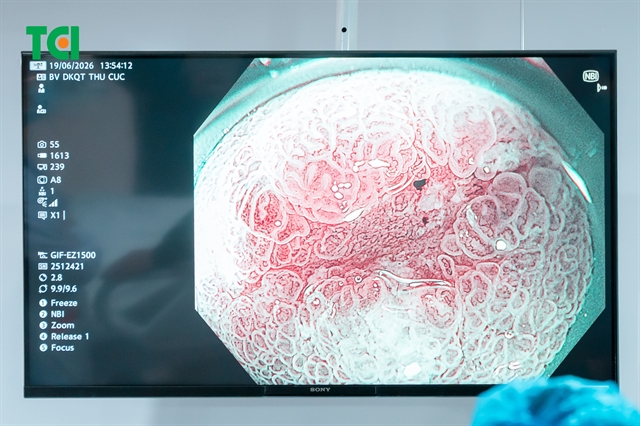 |
| Live cellular images magnified 520× enable doctors to assess lesions in real time during endoscopy. Photo courtesy of TCI |
Associate Professor Masashi Misawa, M.D., Ph.D., of Showa University Northern Yokohama Hospital, Japan, a leading expert in Endocytoscopy research and one of the pioneers behind the development of Endocyto 520x in Japan, said: “Endocytoscopy is an endoscopic system capable of observing cellular structures and microvasculature in real time, providing additional information for the assessment of gastrointestinal lesions.”
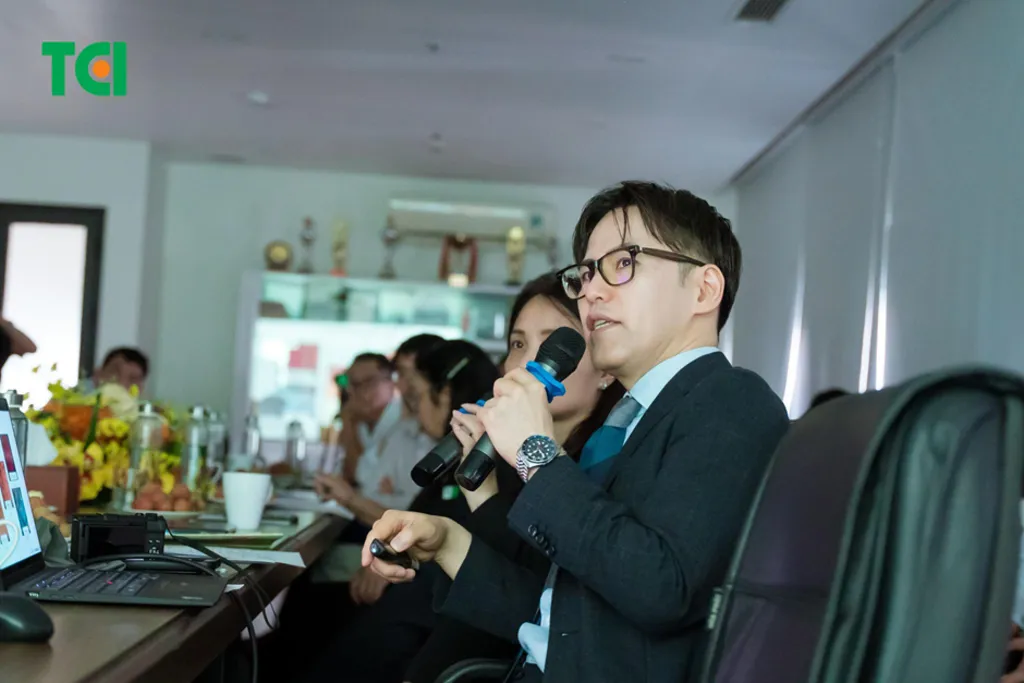 |
| Associate Professor Masashi Misawa, M.D., Ph.D., at the scientific workshop held by Thu Cúc TCI on June 19. Photo courtesy of TCI |
The technology was also highlighted during the scientific workshop Updates on Endocyto Ultra-magnifying Endoscopy Technology from Japan, organised by Thu Cúc TCI on June 19-20.
According to Meritorious Physician, Associate Professor Vu Van Khien, M.D., Ph.D., Vice President and General Secretary of the Vietnam Association of Gastroenterology and a gastroenterology expert at Thu Cúc TCI, the value of Endocyto 520x ultra-magnifying endoscopy lies not in replacing histopathology, but in helping doctors identify suspicious areas at an early stage, guide more accurate biopsies and assess lesion risk in real time.
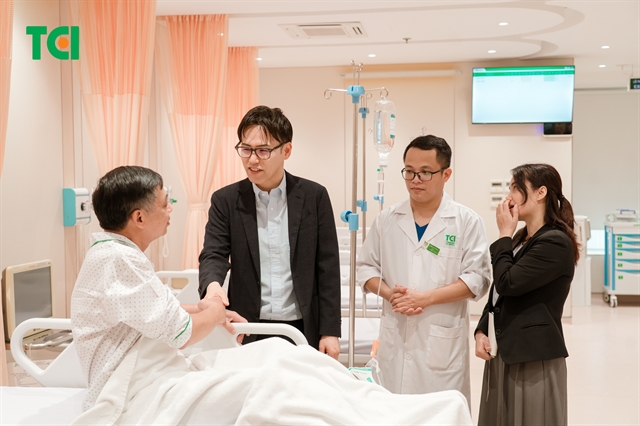 |
| Leading experts from Vietnam and Japan engage in a consultation with a patient. Photo courtesy of TCI |
In B.T.H.’s case, Endocyto 520x imaging did not reveal features suggestive of invasive cancer in the evaluated lesion area. Based on this assessment, doctors developed a treatment plan for atrophic gastritis, addressed relevant risk factors and recommended periodic endoscopic surveillance in line with clinical guidelines.
H. said she felt fortunate to have chosen Endocyto 520x ultra-magnifying endoscopy to monitor the atrophic gastritis she had been living with for the past 10 years.
“I chose TCI because it was the first medical facility in Việt Nam to introduce this technology,” she said.
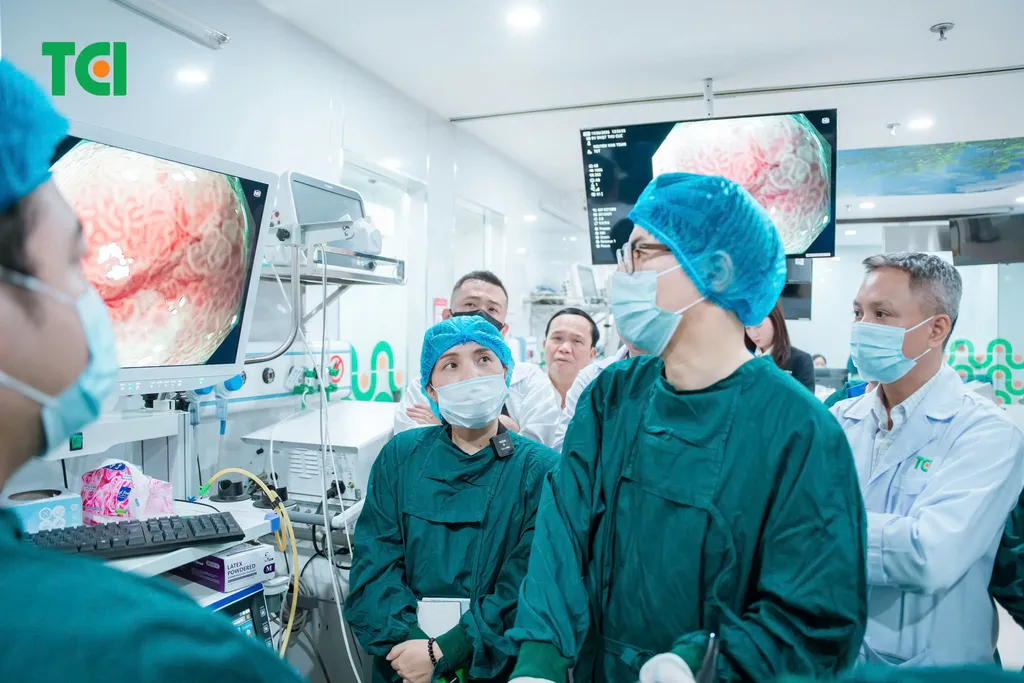 |
| TCI takes the lead in organizing professional activities to enhance the quality of endoscopy. Photo courtesy of TCI |
According to specialists, the greatest value of next-generation endoscopic technologies lies in their ability to detect precancerous changes or very early-stage cancer, creating opportunities for timely intervention and improving treatment outcomes.
For individuals with a history of chronic gastritis, H. pylori infection, or confirmed atrophic gastritis or intestinal metaplasia, periodic endoscopic surveillance remains an important component of gastric cancer prevention.
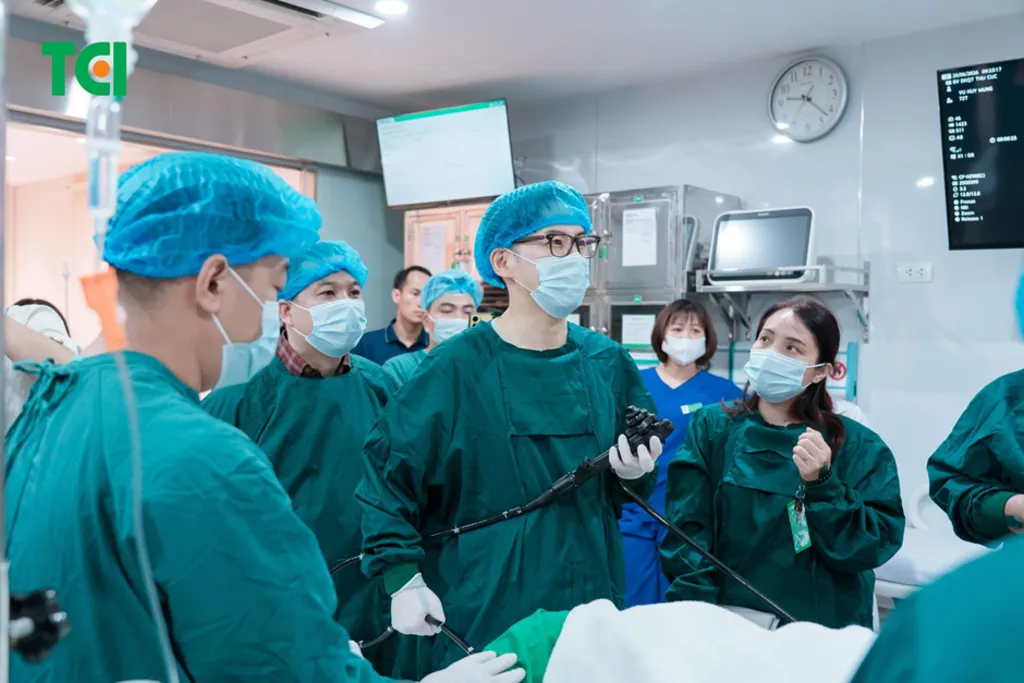 |
| A hands-on Endocyto endoscopy session at the workshop Updates on Endocyto Ultra-magnifying Endoscopy Technology from Japan. Photo courtesy of TCI |
The introduction of Endocyto 520x ultra-magnifying endoscopy into clinical practice reflects Thu Cúc TCI’s continued efforts to adopt advanced gastrointestinal endoscopy technologies aimed at improving early detection, risk assessment and surveillance of precancerous lesions.
Beyond investment in state-of-the-art equipment, TCI also places strong emphasis on building a highly specialised medical team, standardising endoscopic procedures and promoting advanced professional training. These efforts help patients in Việt Nam gain greater access to modern diagnostic techniques for the early detection and prevention of gastrointestinal cancers. — VNS
Society
 Society
 Society
 Society
 Society
 Society
 Society
 Society
 Society
 Society
 Society
.jpg) Society
Society
 Society
 Society
 Society