 Society
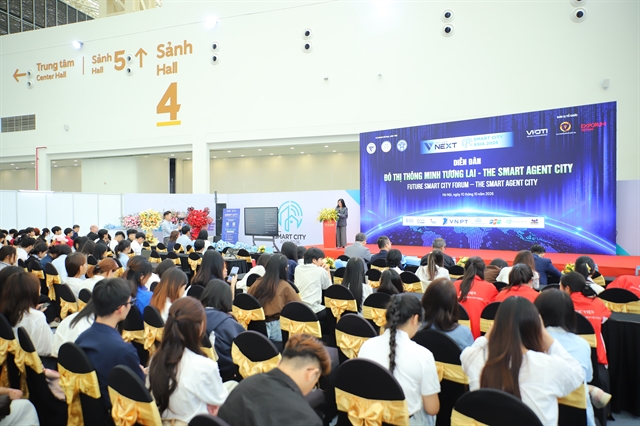
AI agents could transform how smart cities operate
1.
|
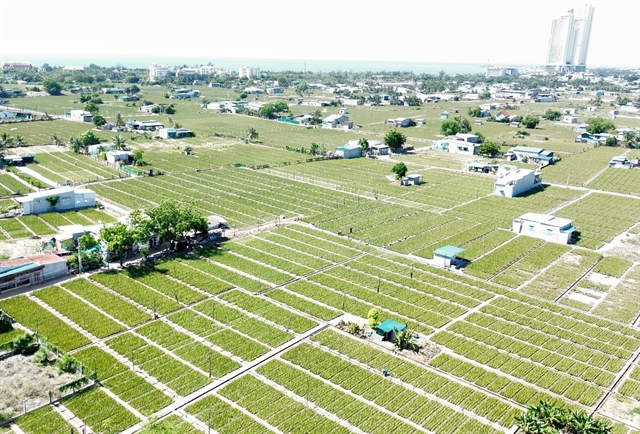
| A farm applies high technology in Ninh Thuận Province. — VNA/VNS Photo Nguyễn Thành |
HÀ NỘI — Vietnam is charting a path for technological advancement with a priority list of high technologies for investment and development, drawn up by the Ministry of Science and Technology (MST) under the instruction of Prime Minister Phạm Minh Chính.
The Department of Science, Technology and High Technology under the MST has been tasked with leading the development of the list, specifying the provisions of the Law on High Technology and ensuring scientific basis, feasibility and effectiveness in organisation and implementation.
To finalise the draft, the MST will invite experts, scientists and managers to provide opinions within their fields on high technologies prioritised for investment and development, pursuant to Article 5 of the Law on High Technology, and high-technology products encouraged for development, pursuant to Article 6.
A total of 84 high technologies feature in the priority list, which is designed to keep pace with emerging technology trends. Foundational technologies include artificial intelligence (AI), Internet of Things (IoT), big data and data analytics, while emerging technologies cover blockchain, cloud computing, quantum computing, cybersecurity, digital twins and extended reality (XR).
The semiconductor sector is also represented, including technologies for design, fabrication, packaging and testing of integrated electronic circuits. Industrial automation features prominently with industrial robots, flexible manufacturing systems, next-generation computer numerical control machine tools and advanced control and drive systems.
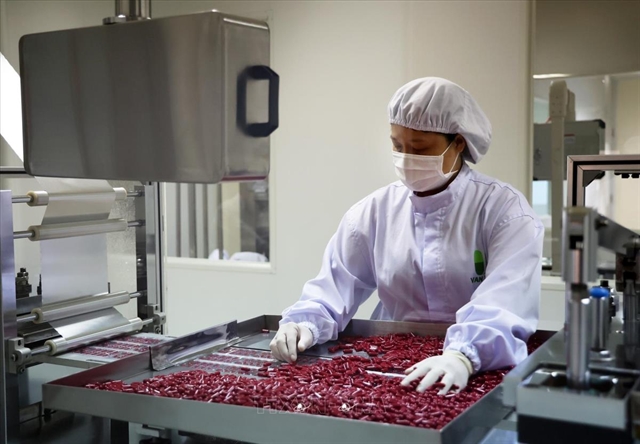
Biomedical technologies account for a significant proportion of the list, including synthetic biology, molecular diagnostics, gene editing and tissue and cell technologies for medicine. New-generation vaccines, recombinant proteins, monoclonal antibodies and advanced drug formulation technologies are also included.
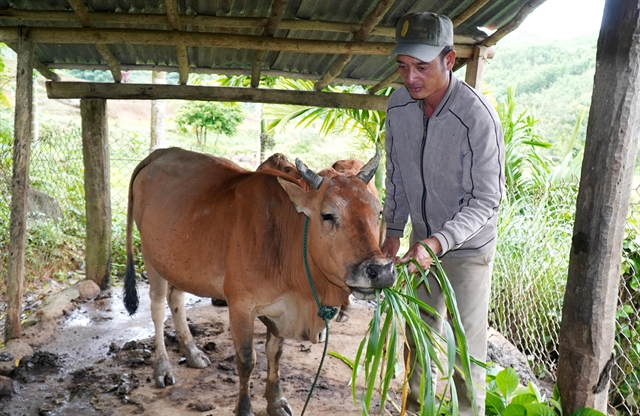
Agricultural technologies aim for smart and sustainable production, such as large-scale soilless cultivation, smart machinery, nano preparations and molecular marker-assisted breeding, alongside technologies to adapt to climate change and improve productivity and quality.
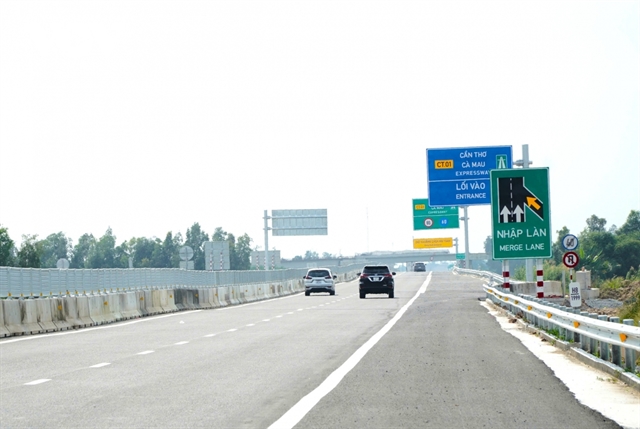
Transport innovations include intelligent transport systems (ITS), railway signalling and control systems, manufacturing technologies for vehicles and high-speed rail infrastructure, and propulsion systems using electricity, hydrogen or hybrid energy.
Energy and environmental technologies cover renewable power generation, advanced energy storage, smart grids, carbon emission management, electronic waste treatment, advanced materials and offshore wind power equipment. Space and resource technologies include small satellites, low-Earth orbit satellite constellations, satellite control and operation, swarm unmanned vehicles, and rare earth separation and refining.
Alongside the priority technology list, the MST has proposed 125 high-technology products for development, spanning decentralised electronic identification software, digital infrastructure management systems, surgical robots, high-performance lithium batteries and remote sensing satellites.
The draft also outlines strategic technologies and strategic high-technology products to guide Việt Nam’s core technology fields, grouped into 11 categories: AI, cloud computing and big data, blockchain, 5G/6G networks, robotics and automation, semiconductor chips, advanced biomedicine, new energy and materials, rare earth technology, cybersecurity and aerospace.
Notable strategic products include large Vietnamese language models, virtual assistants, autonomous mobile robots, AI chips and IoT chips, new-generation vaccines, lithium batteries and remote sensing satellites. — VNS
Society
 Society
 Society
 Society
 Society
 Society
 Society
 Society
 Society
 Society
 Society
 Society
 Society
 Society
 Society
 Rikkeisoft ký kết MOU với LAC.Co, LTD - thúc đẩy hợp tác kinh doanh toàn diện trong lĩnh vực an ninh mạng.jpg)