 Society

Online sellers face shakeout despite market expansion
1.
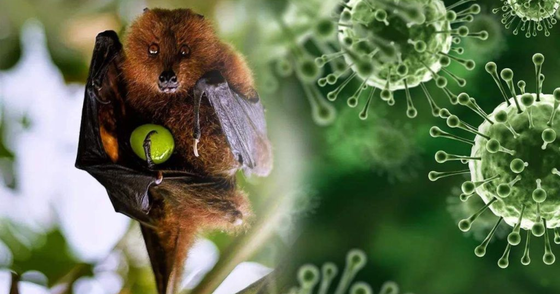 |
| A fruit bat, known to carry the Nipah virus. Vietnamese health experts say the outbreak risk remains very low. — Photo courtesy of HCDC |
HCM CITY — Vietnamese health authorities are stepping up surveillance of the deadly Nipah virus following renewed concerns linked to a cluster of cases in India, while stressing that the risk of an outbreak in Việt Nam remains low.
The Ministry of Health said the move is precautionary and reflects heightened vigilance amid regional developments rather than any change in the domestic risk assessment. Việt Nam has never recorded a Nipah virus case in humans or animals.
Nipah virus (NiV) is a zoonotic disease that can spread from animals to humans and, in limited circumstances, between people through close contact. The virus is primarily associated with fruit bats of the Pteropus genus and has caused sporadic outbreaks in India, Bangladesh and Malaysia.
Health experts have cautioned against misinterpreting earlier scientific findings showing that some bat populations in Việt Nam had been exposed to the virus.
Associate Professor Dr. Đỗ Văn Dũng, former head of the Department of Public Health at the University of Medicine and Pharmacy at HCM City, warned that misunderstanding such data could fuel unnecessary public concern.
Studies conducted around 2012 in provinces including Đắk Lắk in the Central Highlands and Hòa Bình in northern Việt Nam detected antibodies against Nipah virus in certain bat species using ELISA testing, he said.
“Antibodies are immune markers left behind after past exposure to a virus,” Dr. Dũng explained. “A positive antibody result does not mean bats are currently carrying live, infectious Nipah virus. It indicates past exposure and recovery, similar to immune ‘scars’ in humans.”
He stressed that this differs fundamentally from detecting an active virus, which is required for transmission to humans.
Very low outbreak risk
Associate Professor Dr. Trương Hữu Khanh, vice chairman of the HCM City Infectious Diseases Association, also said the likelihood of Nipah spreading in Việt Nam remains very low despite heightened attention following cases in India.
“Nipah is a dangerous virus, but it is not easy to spread,” Dr. Khanh said, noting that outbreaks in affected countries have typically been small and geographically contained, requiring very specific transmission conditions.
According to Dr. Khanh, infection usually occurs through direct contact with infected bats or pigs, consumption of contaminated food, or prolonged close contact with infected patients during caregiving.
“This virus does not spread widely in the community like Covid-19 or influenza,” he said.
He also cautioned against overinterpreting surveillance findings, stressing that the detection of antibodies in bats does not indicate active circulation of the virus or an imminent threat to humans.
Why Việt Nam is unlikely to see an outbreak
Health authorities have cited three main reasons why a Nipah outbreak in Việt Nam is unlikely at present.
First, the virus has not been detected in large fruit bats, which are considered the main reservoir linked to major outbreaks in Malaysia and Bangladesh. Antibodies previously identified in Việt Nam were limited to smaller bat species.
Second, more than a decade of epidemiological surveillance in areas where bats showed antibody presence has not recorded any human cases of Nipah-related encephalitis.
This mirrors assessments in Thailand, where the virus has been detected at low levels without widespread transmission, unlike high-prevalence outbreak zones in India.
Third, Nipah virus has a low reproduction number, meaning it does not spread easily. Human-to-human transmission has only been documented in limited healthcare or household settings involving prolonged close contact.
“There is no evidence of airborne or community-wide transmission,” Dr. Khanh said, adding that standard infection prevention and control measures are sufficient to prevent spread.
Measures
Despite the low risk, the Ministry of Health has issued an urgent directive to medical facilities nationwide, ordering heightened preparedness and prevention measures.
Hospitals have been instructed to prepare isolation areas, essential medicines and emergency equipment, while healthcare workers are required to strictly follow infection prevention and control protocols and strengthen personal protective measures.
Border surveillance has also been raised to a high alert level. Health agencies and epidemiological institutes are closely monitoring incoming travellers for symptoms such as fever, headache, acute encephalitis and altered consciousness. The incubation period typically ranges from four to 14 days.
Although Nipah virus is unlikely to trigger a global pandemic due to its limited transmissibility, it remains one of the world’s most dangerous infectious diseases, with fatality rates ranging from 40 to 75 per cent.
Doctors warn that early symptoms, including fever, headache, muscle pain, vomiting and sore throat, can resemble seasonal flu or dengue fever, complicating early diagnosis.
Patients are urged to seek immediate medical care if neurological symptoms develop, such as confusion, seizures, slurred speech or rapidly worsening consciousness.
There is currently no specific treatment or commercially available vaccine, and care relies on intensive supportive treatment and respiratory support.
To reduce infection risk, health authorities advise the public to practise strict food safety measures, thoroughly wash and peel fruit, avoid eating fruit showing signs of animal bites, and refrain from consuming raw palm sap or other untreated tree sap products. — VNS
Society
 Society
 Society
 Society
 Society
 Society
 Society
 Society
 Society
 Society
 Society
 Society
 Society
 Society
 Society