 Society
42 people hospitalised over suspected gas leak in Hà Nội
1.
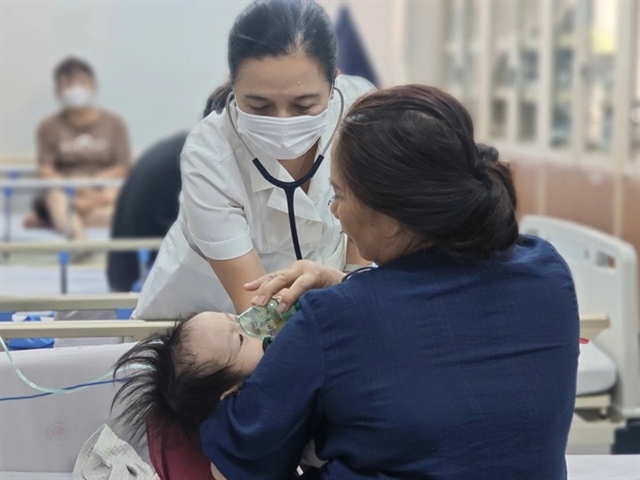 |
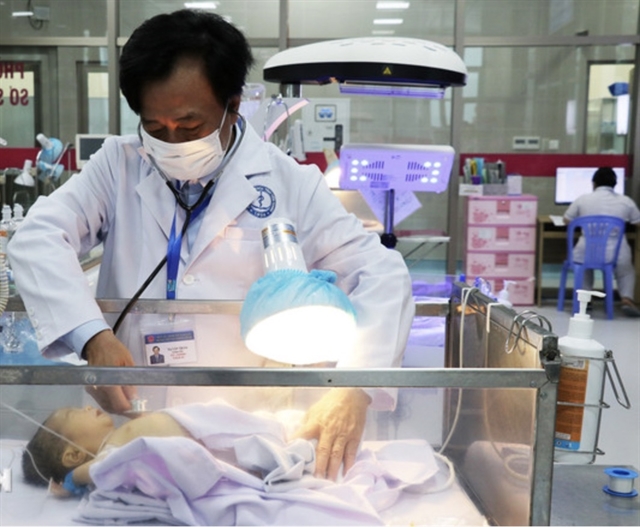
| An infant infected with respiratory syncytial virus (RSV) is treated at the Hà Nội Medical University Hospital. Photo vov.vn |
HÀ NỘI – The number of children hospitalised due to respiratory syncytial virus (RSV) has risen rapidly since early September, according to the health care sector.
Doctors have warned that many infants, some just a few weeks old, have required oxygen therapy and even mechanical ventilation due to severe respiratory failure caused by the illness, which is easily mistaken for the common flu.
At the Paediatrics Department of Hà Nội Medical University Hospital, around 50 per cent of inpatients are being treated for RSV infection, a concerning figure, given that this illness already places a heavy burden on the healthcare system every year, especially among infants under six months old.
Associate Professor Dr Nguyễn Thị Diệu Thúy, head of the hospital’s Paediatrics Department, said: “This year, the number of severe cases has increased markedly. Many babies aged only one to two months have needed oxygen therapy or even mechanical ventilation. Some had just mild coughing or wheezing the day before, but developed severe respiratory failure the next day.”
According to the doctor, the main cause is the change of the season, with large temperature differences between day and night creating favourable conditions for viruses to thrive.
RSV spreads rapidly through the respiratory tract, particularly from healthy carriers, people without symptoms who can still transmit the virus to young children.
In severe cases, the virus can penetrate deep into the lungs, causing bronchiolitis or pneumonia, leading to respiratory failure and even death.
According to the World Health Organization, RSV causes more than 3.6 million hospitalisations and about 100,000 deaths each year among children under five, half of whom are infants under six months old.
In Việt Nam, RSV is one of the leading causes of respiratory disease in young children, with the youngest facing the highest risk of severe complications.
RSV often begins with typical respiratory symptoms such as fever, cough, runny nose, wheezing or shortness of breath, making it easy for parents to mistake it for seasonal flu or COVID-19. Because the symptoms are non-specific, many parents tend to underestimate the illness, assuming it is just a common cold.
At present, there is no specific treatment for RSV. Care mainly focuses on respiratory and nutritional support. Some parents, therefore, believe hospitalisation is unnecessary.
However, Thúy warned: “In young children, especially newborns, the disease can progress very rapidly — within just a few hours. We have seen many cases where babies seemed fine at night but developed severe respiratory distress the next morning. Some infants as young as two weeks old arrived at the hospital already cyanotic and not breathing.”
Infants under three months old infected with RSV, even with mild symptoms, should be hospitalised for monitoring, as the risk of bronchiolitis and pneumonia is very high.
RSV also poses a threat to people over 65.
Aside from acute illness, the virus can also cause long-term complications.
Studies show that children infected with RSV early in life are five to six times more likely to develop asthma than those who were not infected, and they are also more prone to recurrent wheezing, pneumonia or ear infections later on.
“RSV is not a new disease, but this year the number of severe cases has risen sharply. Parents must pay close attention, if a child coughs, wheezes, feeds poorly or has difficulty breathing, they should be taken for medical examination promptly, especially those under six months old,” Thúy said.
Preventing RSV in children
To prevent RSV and other respiratory diseases, maintaining good personal and environmental hygiene is essential.
Parents should wash their hands frequently, clean children’s toys and personal items, and limit contact between infants and strangers — especially avoiding others kissing newborns.
Additionally, breastfeeding is strongly encouraged to boost natural immunity.
The doctor noted: “Newborns cannot yet produce specific antibodies; most of their early immunity comes from antibodies passed from mother to child. Therefore, vaccination during pregnancy is a proactive way to protect infants from dangerous respiratory diseases, including RSV.”
Maternal antibodies provide protection during the first four to six months after birth, with effectiveness depending on the mother’s health, nutrition and timing of vaccination.
Although vaccination cannot completely eliminate infection risk, immunisation for pregnant women has been proven to significantly reduce both the incidence and severity of RSV in young children. VNS
Society
 Society
 Society
 Society
 Society
 Society
 Society
 Society
 Society
 Society
 Society
 Society
 Society
 Society
 Society