 Politics & Law
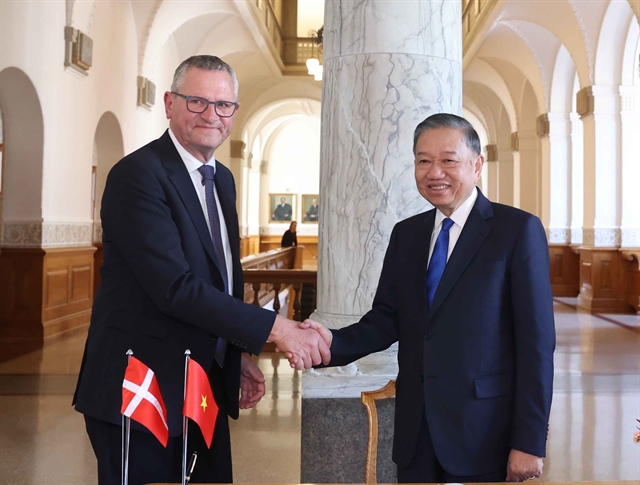
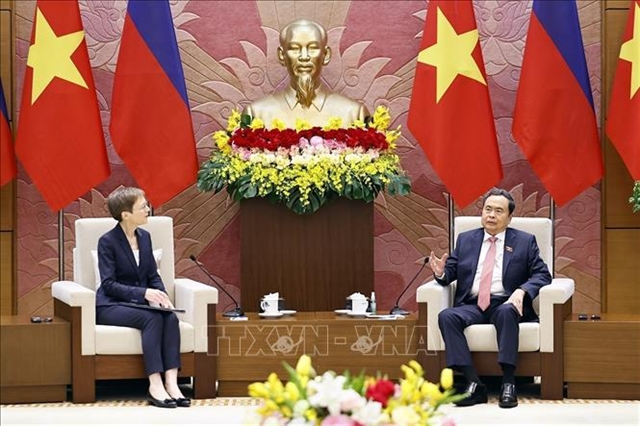
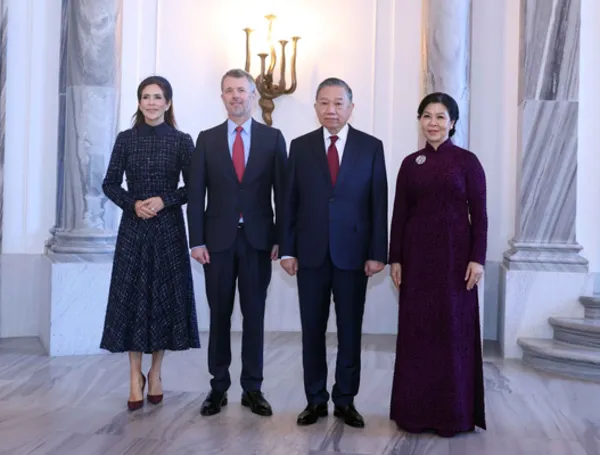
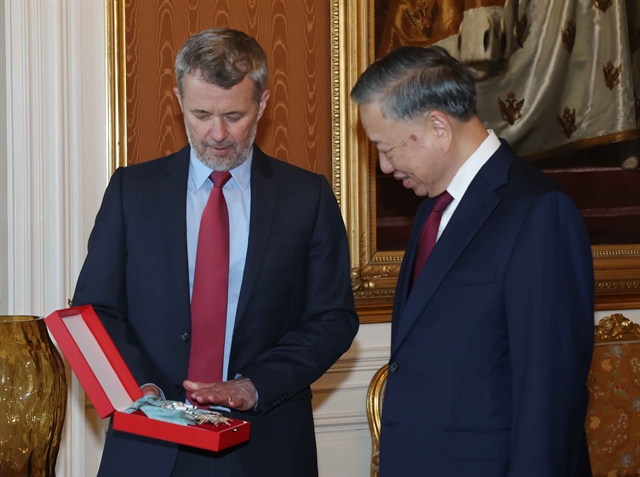
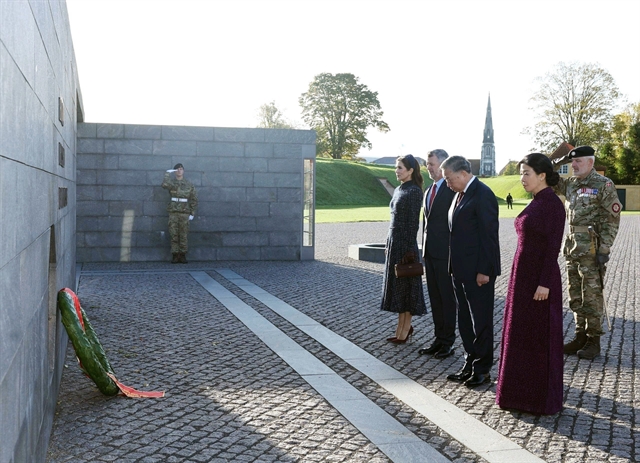
Top leader meets with Danish Parliament Speaker Henrik Frandsen in Copenhagen
1.
|
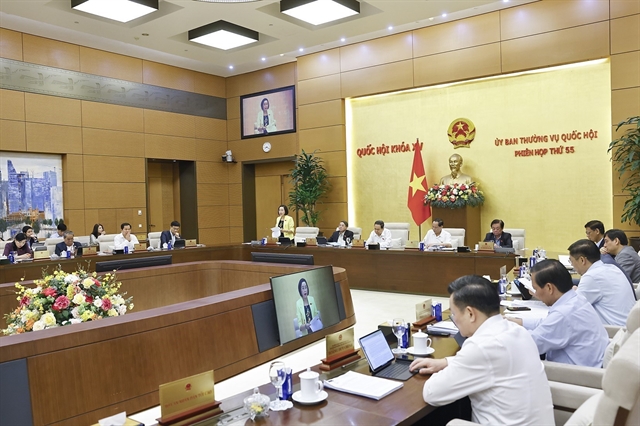
| An aerial view of the working session. — VNA/VNS Photo Doãn Tấn |
HÀ NỘI — Lawmakers are seeking to strengthen Việt Nam’s diplomatic presence abroad through amendments to legislation governing representative agencies, aiming to improve coordination, expand functions and better protect citizens and national interests in a changing global landscape.
The National Assembly (NA) Standing Committee discussed the draft amended Law on Overseas Representative Agencies of Việt Nam at its 55th session on Wednesday morning.
Minister of Foreign Affairs Lê Hoài Trung said the revisions are intended to address practical shortcomings, institutionalise the Party and State’s new guiding principles, and meet evolving socio-economic development demands. The changes also aim to ensure consistency across the legal system while building a comprehensive and modern diplomatic framework reflecting the core role of external affairs.
The draft law consists of two articles focusing on revising and refining the functions and tasks of representative agencies, including new areas such as international cooperation, legal development and enforcement.
It also covers people-to-people exchanges, business support, monitoring and promoting the implementation of international commitments as well as encouraging the preservation and dissemination of the Vietnamese language.
The draft does not introduce new administrative procedures and removes certain provisions to ensure consistency with the broader legal system, including regulations on the issuance of laissez-passers by representative agencies.
A preliminary review presented by Lê Tấn Tới, chairman of the National Assembly’s Committee on Defence, National Security and Foreign Affairs, found the draft to be aligned with Party policies on proactive international integration. It also aims to streamline the political system for more efficient operations while promoting innovation, creativity and national digital transformation.
The committee said the draft broadly ensures constitutionality, consistency with existing laws and compliance with requirements for safeguarding national defence and security. It recommended further review to ensure alignment with related legal documents and international treaties to which Việt Nam is a party.
The Standing Committee supported expanding the scope, functions and responsibilities of representative agencies, though some members called for a more thorough review of cooperation areas to ensure they fully reflect priority fields for international engagement and help enhance the country’s global standing.
Lawmakers also welcomed amendments encouraging overseas Vietnamese communities to preserve the national identity and promote the Vietnamese language. However, some called for clearer provisions on funding mechanisms, including state budget allocations and contributions from communities and businesses to ensure feasibility.
The inclusion of provisions on concurrent posting allowances was deemed necessary, though further detailed regulations will be required to reflect varying conditions across representative agencies and ensure appropriate implementation.
Commenting on the draft, National Assembly Chairman Trần Thanh Mẫn highlighted the need to support economic development, science and technology, digital transformation and digital diplomacy.
He suggested adding provisions requiring representative agencies to provide early warnings on technical barriers and trade remedy cases affecting Vietnamese exports, enabling businesses to respond more effectively.
Drawing on recent developments in the Middle East and parts of Latin America, he stressed that citizen protection should shift from a reactive approach to proactive forecasting and emergency preparedness, supported by rapid response mechanisms.
He also underlined the importance of formalising coordination with overseas Vietnamese associations.
“The community's strength is an extended arm of representative agencies in accessing emergency support; state resources sometimes cannot cover everything,” he said.
Regarding leadership roles, he noted that ambassadors represent the State in host countries but coordination with officials seconded from other ministries can be inconsistent. He called for clearer provisions defining the ambassador’s commander-in-chief role to ensure unified direction across all personnel.
“The law should include a framework clause on modernising representative agency operations, providing a legal basis for building digital representative agencies, reducing direct workload at headquarters and maximising convenience for overseas Vietnamese,” the NA Chairman said. — VNS
Politics & Law
 Politics & Law
 Politics & Law
 Politics & Law
 Politics & Law
 Politics & Law
 Politics & Law
 Politics & Law
 Politics & Law
 Politics & Law
 Politics & Law
 Politics & Law
 Politics & Law
 Politics & Law
 Politics & Law