 Politics & Law

Masan’s earnings more than double in Q3
1.
 |
| Bru–Vân Kiều residents in Nước Đắng Village, Trường Sơn Commune, Quảng Trị Province decorate the polling area in preparation for early voting on March 8. — VNA/VNS Photo |
QUẢNG TRỊ — Bru–Vân Kiều ethnic villagers in Quảng Trị Province's remote commune of Trường Sơn are eagerly preparing for early voting, from cleaning polling sites to learning about candidates.
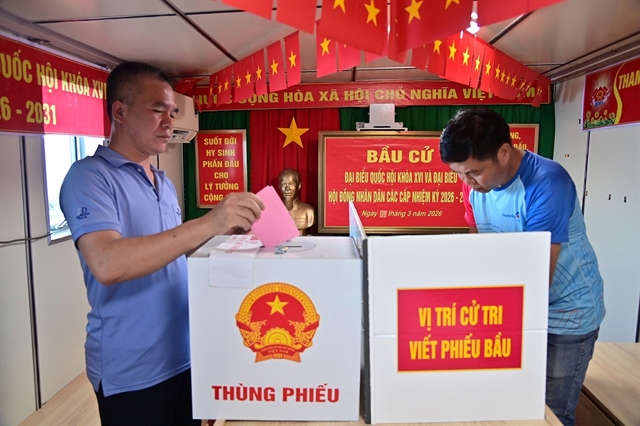
According to the provincial Election Committee, three polling stations in Trường Sơn Commune – located in Hôi Rấy, Nước Đắng and Dốc Mây villages – will organise voting on March 8, seven days before the nationwide election of deputies to the 16th National Assembly and People’s Councils at all levels for the 2026–2031 tenure, to make it easier for residents in remote areas where travel remains difficult to cast their ballots.
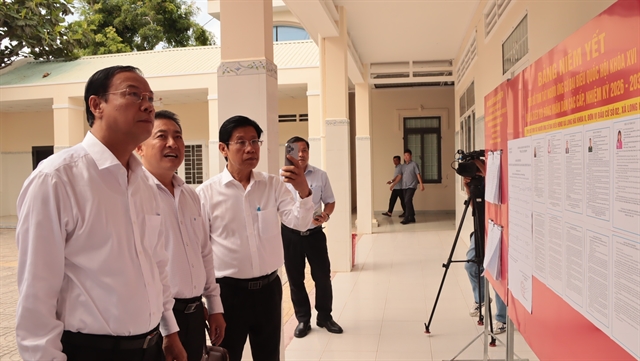
In Hôi Rấy Village, the road from the bank of the Long Đại River leading to the settlement has recently been concreted, making travel more convenient. The village currently has 34 households with 145 residents, including 82 eligible voters. The voter list has been publicly posted at the community house and no complaints have been recorded so far.
Hồ Ba, head of Hôi Rấy Village, said the remote location means many residents still rely on boats or small ferries for transportation. He noted that organising early voting is a practical solution to help people participate more easily.
Similar preparations are underway in Nước Đắng Village, where local authorities have assisted residents in decorating the polling area, posting voter lists and disseminating election information.
Hồ Văn Hoa, head of Nước Đắng Village, said regular community meetings have been held to explain the significance of the election and encourage residents to participate.
Across Trường Sơn Commune, the election atmosphere has spread through villages as residents of different ages join in preparations, strengthening community bonds ahead of the important political event.
Young voters are also showing strong enthusiasm. For many members of the Bru–Vân Kiều community, the election is not only a major political event but also an opportunity to exercise their civic rights and contribute to the development of their homeland.
Hồ Thị Hiếu, an 18-year-old first-time voter, has been regularly helping villagers prepare the polling site. As this is her first time voting, Hiếu noted that she has spent time learning about the candidates and hopes to cast her vote for representatives who care about the lives of people in remote, mountainous areas.
The active interest of young voters reflects growing political awareness within ethnic minority communities. Many residents have taken the initiative to research candidates before making their choices.
Trường Sơn Commune currently has more than 2,280 households with over 8,290 residents and nearly 5,270 voters. The commune has six electoral units and 25 polling stations. Local authorities have sent working groups to villages to assist with preparations and guide election teams to ensure procedures are carried out in accordance with regulations.
Hoàng Mạnh Hà, Chairman of the communal People’s Committee and head of the commune’s Election Committee, said communication activities were launched early so that voters could access information about candidates.
Local residents have been encouraged to study the list and profiles of candidates early, thus choosing representatives who are capable, ethical and dedicated to serving the people, Hà added. — VNA/VNS
Politics & Law
 Politics & Law
 Politics & Law
 Politics & Law
 Politics & Law
 Politics & Law
 Politics & Law
 Politics & Law
 Politics & Law
 Politics & Law
 Politics & Law
 Politics & Law
 Politics & Law
 Politics & Law
 Politics & Law