 Opinion

VPS leads brokerage market share on HNX in Q3
1.
 |
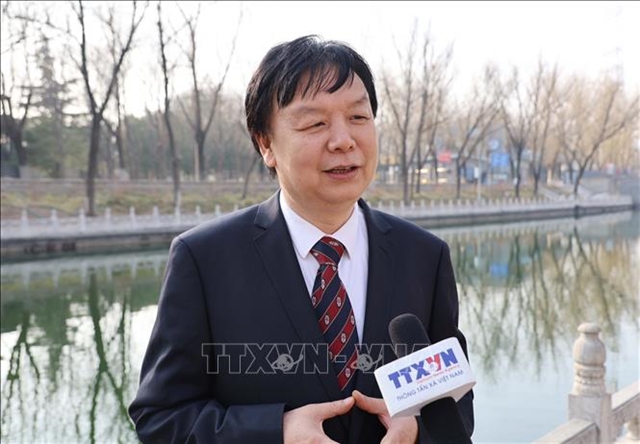
| Dr. Nguyễn Hồng Sơn, chairman of the Union of Vietnamese Associations in Japan. — VNA/VNS Photo |
TOKYO — During the 15th tenure of the National Assembly (NA), legislative work has made notable progress, particularly through greater information sharing and the creation of favourable conditions for overseas Vietnamese to contribute opinions to draft laws and policies, commented Dr Nguyễn Hồng Sơn, chairman of the Union of Vietnamese Associations in Japan.
Talking to the Vietnam News Agency, Dr Sơn highlighted important improvements, including the regulations allowing overseas Vietnamese to own property in Việt Nam and amendments to the Law on Nationality, which have had positive impacts on the Vietnamese community abroad.
These changes demonstrate that the NA has paid greater attention to the rights and voices of overseas Vietnamese while facilitating their participation in the law-making process, he said.
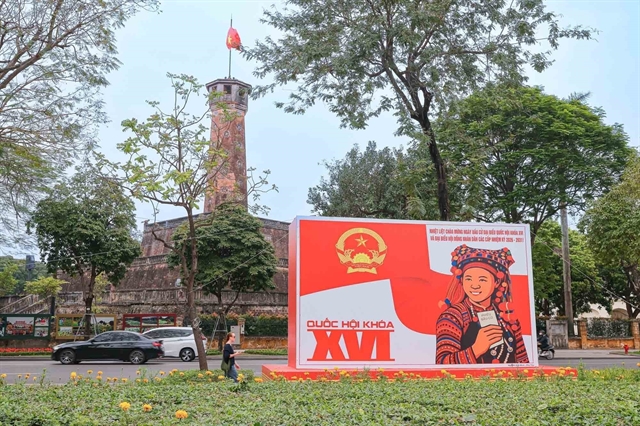
He held that the organisation of the election for deputies to the 16th NA and people’s councils at all levels for the 2026–31 tenure two months earlier than usual reflects the country’s proactive and flexible approach to arranging the leadership apparatus. Amid a rapidly evolving global situation, the timely consolidation of personnel will help Việt Nam enhance its adaptability and maintain stability during its development process, he underlined.
The overseas Vietnamese community always closely follows information related to the election and, where possible, will directly exercise their civic rights. Despite living far from the homeland, they still pay attention to and remain supportive of the country’s development, Sơn noted.
Overseas Vietnamese always regard themselves as an inseparable part of the Vietnamese nation. Therefore, they hope that forthcoming legislative agendas will include additional mechanisms and policies enabling them to participate more deeply and make more practical contributions to national construction and development, he continued.
At present, in addition to his activities within the Vietnamese community in Japan, Sơn also serves on the Comprehensive Policy Advisory Council of Ibaraki prefecture. The council gathers experts and representatives from various sectors to work with the local administration in researching, advising and proposing development orientations for the prefecture in fields such as the economy, society, education and culture, as well as policies related to foreign communities residing in the locality. Through the council’s activities, members can contribute their views to policy-making and development planning.
As a member of the council, Sơn has opportunities to share information and proposals related to the Vietnamese community while promoting understanding and cooperation between localities of Japan and Việt Nam. In the coming time, the expert said he hopes to further strengthen connections between Ibaraki and Vietnamese localities through exchanges and cooperation in areas such as the economy, education, culture and human resources.
In addition, the Vietnamese community in Japan can serve as an important bridge in introducing the potential and strengths of Vietnamese localities to Japanese partners, thereby promoting concrete cooperation programmes like mutual visits, investment projects, training cooperation and cultural exchanges.
The Chairman of the Union of Vietnamese Associations in Japan expressed confidence that through such connections, Vietnamese people in Japan will be able to make more practical contributions to Việt Nam’s development while further deepening cooperation between the two countries. — VNA/VNS
Opinion
 Opinion
 Opinion
 Opinion
.jpeg) Opinion
Opinion
 Opinion
 Opinion
 Opinion
 Opinion
 Opinion
 Opinion
 Opinion
 Opinion
 Opinion
 Opinion