 Opinion
Ministry eyes data architecture as quality becomes key to deeper digital transformation
1.
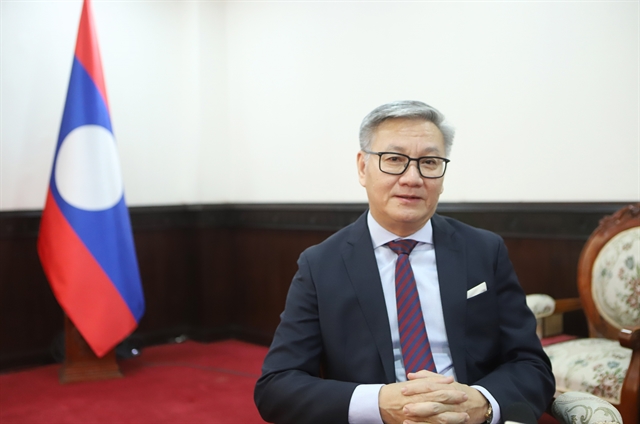 |
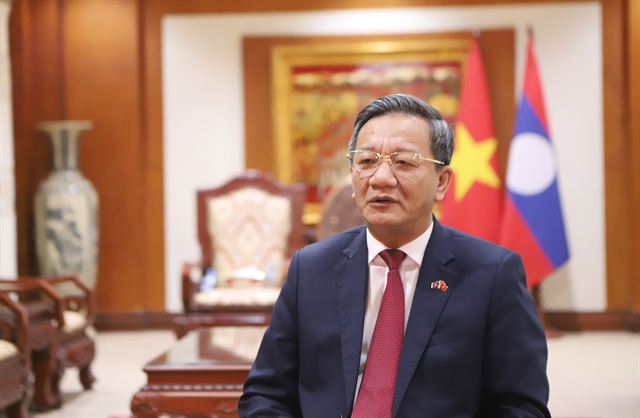
| Lao Minister of Foreign Affairs Thongsavanh Phomvihane. — VNA/VNS Photo Xuân Tú |
VIENTIANE — The upcoming state visit to Laos by General Secretary of the Communist Party of Việt Nam (CPV) Central Committee Tô Lâm on February 5 carries historic significance and strategic weight, advancing bilateral comprehensive integration across various areas, Lao Minister of Foreign Affairs Thongsavanh Phomvihane told the Việt Nam News Agency.
Thongsavanh said the trip, most importantly, marks General Secretary Lâm’s first overseas engagement since the success of the CPV’s 14th National Congress. Choosing Laos as his first destination immediately after assuming the role of Party General Secretary underscores particularly profound significance.
He recalled that not long ago, Party General Secretary and President of Laos Thongloun Sisoulith also paid a state visit to Việt Nam shortly after the 12th National Congress of the Lao People’s Revolutionary Party (LPRP).
These reciprocal visits by the top Party leaders, following the elevation of bilateral ties to “great friendship, special solidarity, comprehensive cooperation and strategic cohesion,” represent a new milestone with distinct significance.
He said that Laos and Việt Nam have a long tradition of exchanging visits after each Party congress to congratulate each other and share results. This practice, now elevated to state visits personally led by the General Secretary of each country, clearly reflects the unique bond between the two close Southeast Asian neighbours.
Such visits by top leaders from both countries will help younger generations grasp the importance and uniqueness of bilateral relations. In fact, this special relationship traces its roots to shared origins in the Indochinese Communist Party in the past, with successive generations of leaders, revolutionaries and citizens from both nations making mutual sacrifices to build what has become a treasured legacy, one that current and future leaders are duty-bound to safeguard and advance.
In his view, political and national defence-security ties have always served as the core pillars, guiding the overall Laos–Việt Nam relationship. In the years ahead, both countries should leverage their substantial potential to accelerate socio-economic collaboration.
With the recent upgrade in ties, he called for enhanced connectivity, integration and linkages. Key sectors, including transport, energy, economy-trade, logistics, and tourism, must be synchronously connected, supported by investment projects that drive momentum for mutual growth.
Other sectors also need to be interconnected and mutually supportive, particularly education, which is a key area for cultivating a quality workforce, especially those who will directly serve the bilateral special relationship.
The minister expressed firm confidence that the Vietnamese Party leader’s visit will be a great success and fully meet its goals, given the high level of consensus and determination among top leaders of the two Parties and States, as well as across ministries and sectors, to propel development-oriented collaboration.
Describing 2026 as a pivotal year for Laos as it works toward graduation from least developed country status under the United Nations criteria, he said this process presents both challenges and opportunities for robust, sustainable progress toward an independent and self-reliant economy. In this effort, Việt Nam has always provided wholehearted support, and Laos is confident that achieving this milestone will accelerate national development.
Despite ongoing global and regional complexities, Laos will steadfastly stand shoulder-to-shoulder with Việt Nam, pursuing joint development and shared prosperity for the benefit of both peoples and nations, he added.
The Lao side sincerely thanked Việt Nam for facilitating Laos's access to the sea. Once landlocked, Laos now benefits from seaport linkages, a source of national pride and vital transport infrastructure. Ongoing projects, including the Vientiane–Hà Nội Expressway and railway connections to the seaport, hold major importance, he said, expressing hope for attracting more external partners.
If Laos achieves seamless transport connectivity to the East Sea (internationally known as the South China Sea), this would effectively open the East–West Economic Corridor, delivering gains not only to both countries but to the broader sub-region and ASEAN, he said. — VNA/VNS
Opinion
.jpg) Opinion
Opinion
 Opinion
 Opinion
 Opinion
 Opinion
 Opinion
 Opinion
 Opinion
 Opinion
 Opinion
 Opinion
 Opinion
 Opinion
 Opinion