 Opinion

AITO Looks Ahead to Europe, Building a Thriving Automotive Ecosystem
1.
|
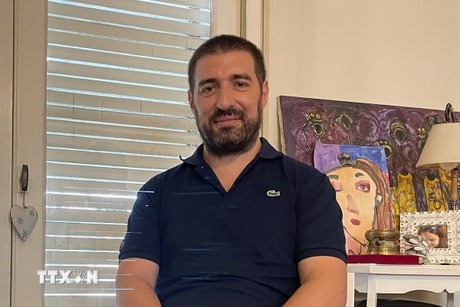
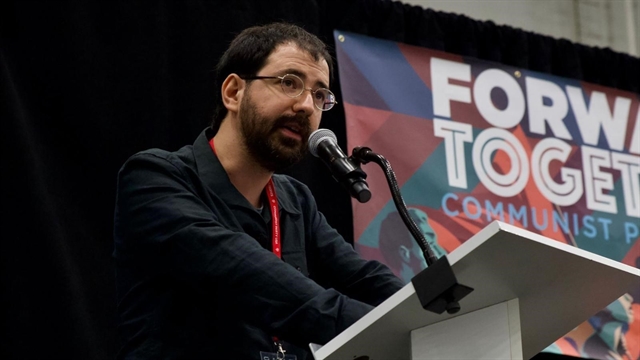
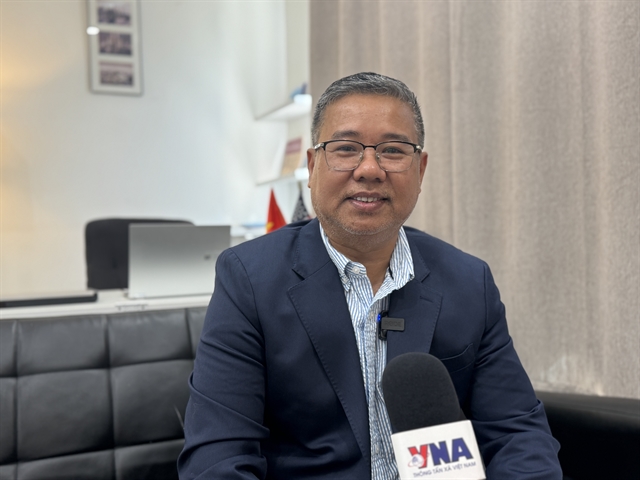
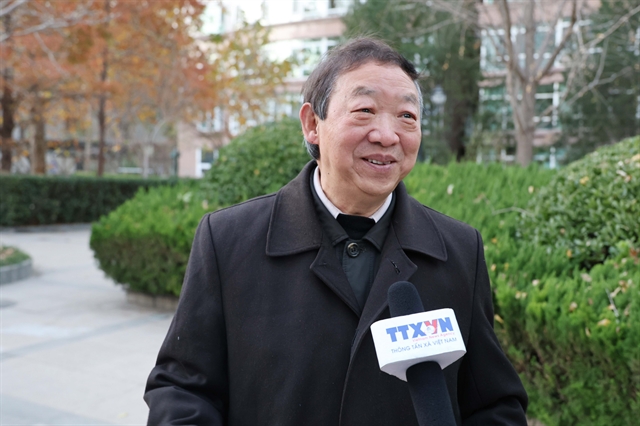
| Argentine journalist Gastón Fiorda of Argentina’s National Radio, a long-time Vietnam expert. VNA/VNS Photo |
BUENOS AIRES – Việt Nam’s ability to preserve political and social stability while sustaining economic growth amid global uncertainty reflects the effective governance and leadership capacity of the Communist Party of Việt Nam and the State, said Argentine journalist Gastón Fiorda of Argentina’s National Radio, a long-time Việt Nam expert.
Speaking to a Vietnam News Agency correspondent in Buenos Aires, Fiorda, author of numerous studies and books on Việt Nam during its Đổi mới (Renewal) and international integration, highlighted Việt Nam’s strong economic and social performance in the past five years, particularly as the global economy has been shaken by the COVID-19 pandemic, armed conflicts in various regions and escalating global trade tensions.
He underscored Việt Nam’s positive economic achievements during the tenure of the 13th National Party Congress, noting that the country maintained an average GDP growth rate of 5–6 per cent per year, a level considered high compared to regional and global averages. The Argentine expert placed particular emphasis on Việt Nam’s strong post-pandemic recovery, with growth rates among the highest in Asia. In recent years, Việt Nam’s economic scale has continued to expand, with nominal GDP surpassing the US$400-billion mark, while per capita income has risen steadily.
At the same time, inflation has been kept under control, major macroeconomic balances have largely been safeguarded, and exports have maintained growth momentum, placing Việt Nam among the world’s most open economies. Stable disbursement of foreign direct investment (FDI), he noted, reflects the strong confidence of international investors in Việt Nam’s business environment.
Fiorda said these outcomes indicate that Việt Nam is entering a new phase of development, with a focus on restructuring the State towards greater efficiency, selectively mobilising resources, and prioritising investment in key areas such as manufacturing and processing industries, technology, green transition and digital transformation.
He also spoke highly of the role of Việt Nam’s younger generation – those born in the post-war era, describing them as open-minded, highly adaptable and increasingly integrated into the global economy, and a crucial driving force for sustainable growth in the years ahead.
On external relations, Fiorda assessed Việt Nam’s “bamboo diplomacy” pursued during the 13th tenure as a notable success. He said the policy has enabled Việt Nam to firmly uphold its independence and autonomy while flexibly expanding relations with major partners. This soft, dialogue-oriented and adaptive approach to global priorities has helped Việt Nam enhance its international standing and emerge as a reliable partner in supply chains and trade cooperation.
Regarding anti-corruption efforts, Fiorda commended the strong political will and concrete results achieved during the 13th tenure, noting that the strict handling of high-ranking officials who committed violations has had a clear social impact and strengthened public trust. However, he also pointed out that a key challenge in the coming period will be to further promote transparency and integrity while ensuring that the administrative apparatus operates smoothly, without disrupting State functions and essential public services. VNA/VNS
Opinion
 Opinion
 Opinion
 Opinion
 Opinion
.jpeg) Opinion
Opinion
 Opinion
 Opinion
 Opinion
 Opinion
 Opinion
 Opinion
 Opinion
 Opinion
 Opinion