 Expat Corner

World Health Summit 2026: Berlin Becomes Global Meeting Point for the Future of Health
1.
Dr Takeki Kurokawa*
Pre-diabetes is one of the most common, and most overlooked, health conditions today. Many people feel completely well and are unaware that their blood sugar levels are already higher than normal. Yet without intervention, pre-diabetes often progresses silently to type 2 diabetes.
Recognising pre-diabetes early offers a valuable opportunity: the chance to prevent or delay diabetes before permanent damage occurs.
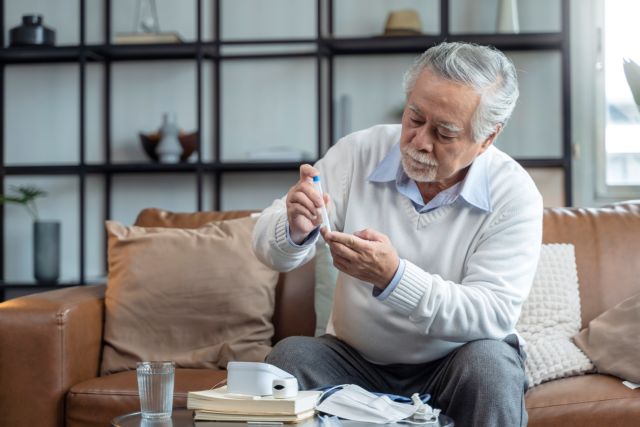 |
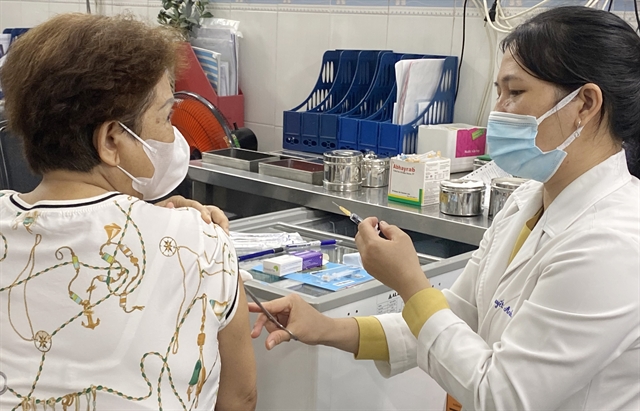
| Early screening plays a key role in identifying pre-diabetes and creating opportunities to prevent or delay type 2 diabetes. — Photo courtesy of Family Medical Practice |
What is pre-diabetes?
Pre-diabetes is a condition in which blood glucose levels are elevated but not high enough to meet the criteria for diabetes. It reflects reduced insulin sensitivity, meaning the body is beginning to struggle to regulate blood sugar effectively.
At this stage, blood vessels, nerves and organs may already be under stress, even though symptoms are often absent.
Why pre-diabetes is often missed
Most people with pre-diabetes do not feel unwell. There is usually no pain, no sudden illness, and no obvious warning sign. Because of this, many individuals assume their health is normal and do not seek testing.
In busy urban lifestyles, fatigue or weight gain is often attributed to stress, long work hours or ageing rather than metabolic changes. As a result, pre-diabetes may go undetected for years.
Who is at risk?
Pre-diabetes can affect adults of all ages, but the risk increases with:
Importantly, Asian populations may develop pre-diabetes and diabetes at lower body weights than Western populations, making early screening particularly relevant in this region.
Why early detection matters
Pre-diabetes is not a benign condition. Without lifestyle changes, many people progress to type 2 diabetes within a few years. Diabetes increases the risk of heart disease, stroke, kidney disease, vision problems and nerve damage.
The encouraging reality is that pre-diabetes is often reversible. Early identification allows individuals to take action while the body is still capable of restoring healthier glucose control.
How Is pre-diabetes diagnosed?
Pre-diabetes is identified through blood tests, such as fasting blood glucose, HbA1c or an oral glucose tolerance test. These tests are simple and can be included in routine health checks.
Because symptoms are uncommon, testing, not how you feel, is the key to diagnosis.
What can be done after a diagnosis?
For most people, lifestyle changes are the first and most effective intervention. These include gradual weight loss if needed, regular physical activity, improved dietary patterns and better sleep habits.
Even modest changes can significantly reduce the risk of progression to diabetes. In some cases, medication may be considered, but lifestyle modification remains the cornerstone of management.
Pre-diabetes is not about perfection, it is about consistent, sustainable habits that support long-term health.
Message for families
Pre-diabetes often affects people during their most productive years, when work and family responsibilities are demanding. Support from family members plays an important role in maintaining healthy routines, shared meals and physical activity.
Addressing pre-diabetes together can benefit not only the individual, but the entire household.
Final thought
Pre-diabetes is a warning sign, but also an opportunity. It signals that the body is under strain, yet still capable of recovery. Ignoring it allows silent damage to continue; recognising it early empowers meaningful change.
If you have risk factors or have not had your blood sugar checked recently, discussing screening with your doctor can be a simple and important step toward protecting your future health.
 |
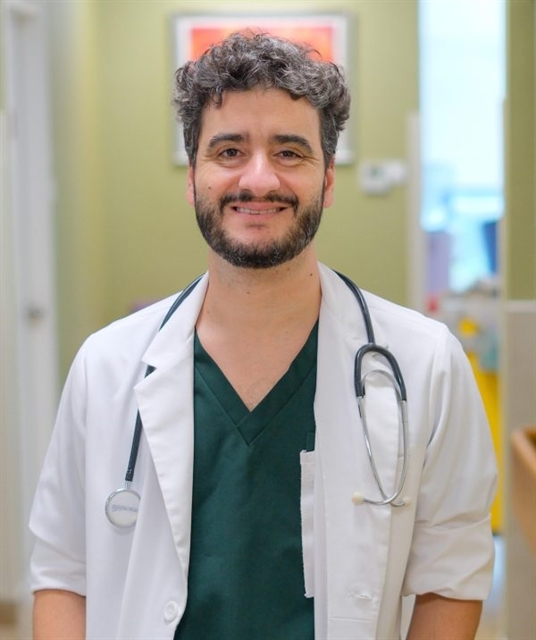
| Dr Takeki Kurokawa. Photo courtesy of Family Medical Practice |
*Dr Takeki Kurokawa is an experienced internal medicine physician with extensive training in adult health and chronic disease management. He provides comprehensive medical care for a wide range of conditions, including metabolic disorders, cardiovascular risk factors, gastrointestinal concerns, and complex internal medicine cases. Dr Kurokawa takes a thorough, evidence-based approach to diagnosis and treatment, with a strong focus on preventive care and long-term health management. He is known for his attentive, patient-centred consultations and clear communication.
FMP Healthcare Group operates medical centres in major cities including Hồ Chí Minh City, Hà Nội and Đà Nẵng, offering consultations with international doctors, check-up centres and emergency ambulance services.
Visit FMP Diamond Plaza in HCM City to consult with Dr Takeki Kurokawa.
To book an appointment, please call (028) 3822 7848 (FMP - Diamond Plaza) email hcmc@vietnammedicalpractice.com.
Expat Corner
 Expat Corner
.jpg) Expat Corner
Expat Corner
 Expat Corner
 Expat Corner
 Expat Corner
 Expat Corner
 Expat Corner
 Expat Corner
 Expat Corner
 Expat Corner
 Expat Corner
 Expat Corner
 Expat Corner
 Expat Corner
 Rikkeisoft ký kết MOU với LAC.Co, LTD - thúc đẩy hợp tác kinh doanh toàn diện trong lĩnh vực an ninh mạng.jpg)