 Life & Style
AgroViet 2026 aims to expand markets for Vietnamese farm produce
1.
|
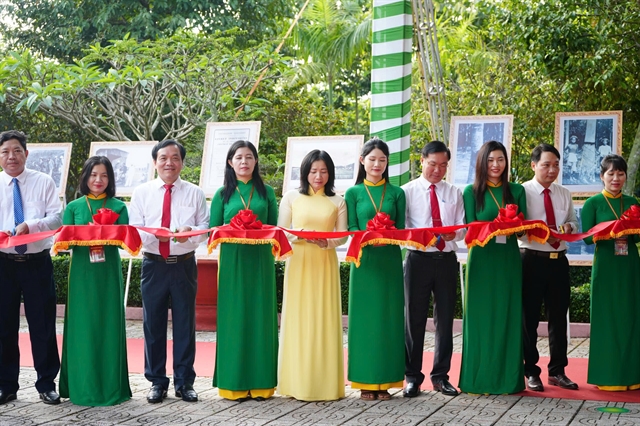
| Local leaders perform the ribbon-cutting ceremony to inaugurate the themed photo exhibition, “Phú Riềng đỏ – Proud of its traditions, aspiring to the future”. — Photo thuanloi.dongnai.gov.vn |
ĐỒNG NAI — Đồng Nai is seeking to turn its rich cultural heritage, traditional festivals and ethnic minority traditions into drivers of tourism and economic growth through immersive cultural experiences, infrastructure investment and the development of distinctive local products.
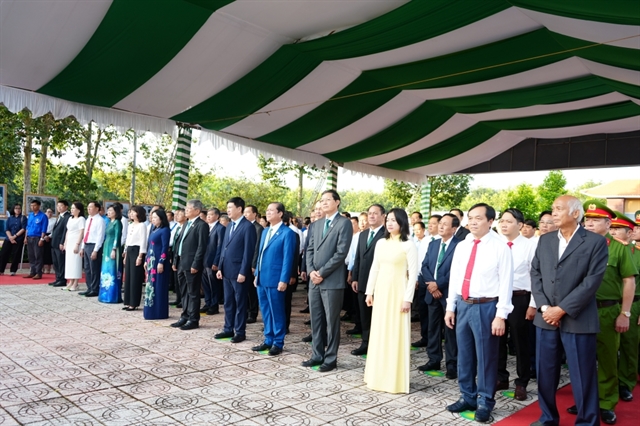
Held from October 23 to 28, 2026, in Thuận Lợi Commune, Đồng Nai City, the 2026 “Phú Riềng Đỏ” Week became a vibrant cultural gathering, attracting thousands of local residents and visitors from across the country.
The event not only created a lively space for community exchanges but also celebrated the region’s rich history and the distinctive cultural values of its long-established ethnic minority communities, particularly the S’tiêng people.
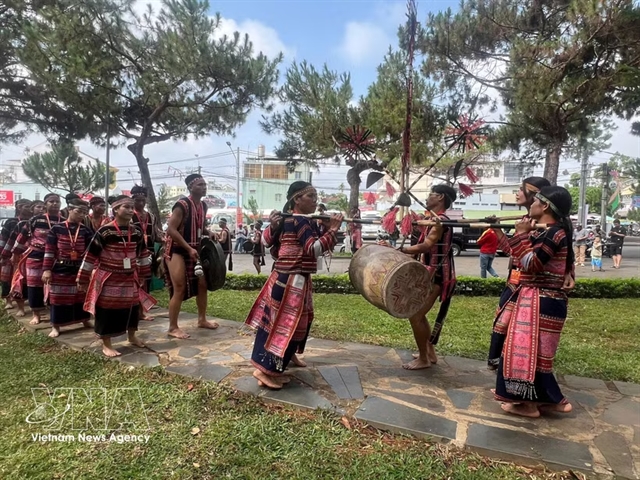
Visitors were immersed in a colourful cultural journey. The lively festival atmosphere, accompanied by the resonant sounds of gongs, left a lasting impression.
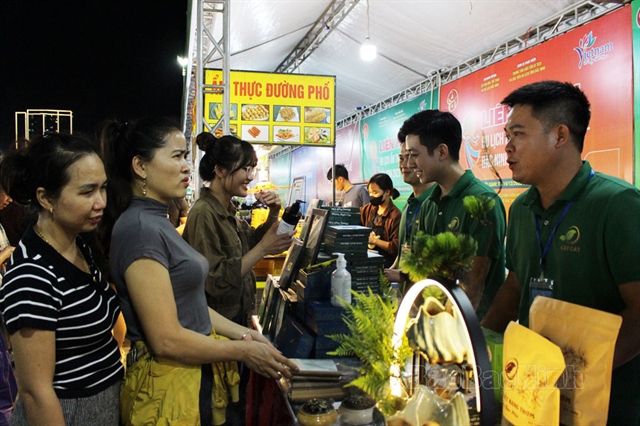
Hands-on activities, including watching artisans weave brocade and make handicrafts, sampling highland cuisine and exploring stalls showcasing distinctive products under the One Commune One Product (OCOP) programme, also proved popular with visitors.
|
| Delegates attend the opening ceremony of the “Phú Riềng Đỏ” Week. — Photo thuanloi.dongnai.gov.vn |
Lê Thị Phương Thảo, a visitor from Tây Ninh Province, said she had enjoyed a memorable range of experiences at the event.
“I felt deeply proud of the resilient and indomitable fighting tradition of the rubber workers in the early 20th century. At the same time, I was delighted to experience the distinctive culture, arts and cuisine of the local ethnic communities for the first time,” she said.
Highlighting the event’s development goals, Nguyễn Đức Thành, chairman of the Thuận Lợi Commune People’s Committee, said this was the first year the commune had organised “Phú Riềng Đỏ” Week, with the aspiration of bringing the historical site back to life.
The event aims to establish the national historical site as a familiar destination for revolutionary tradition education, fostering pride and strengthening the community’s responsibility for preserving heritage.
It is also expected to help Thuận Lợi promote the image of the historically significant Phú Riềng Đỏ area, create opportunities for green and sustainable tourism, and drive future socio-economic development, he said.
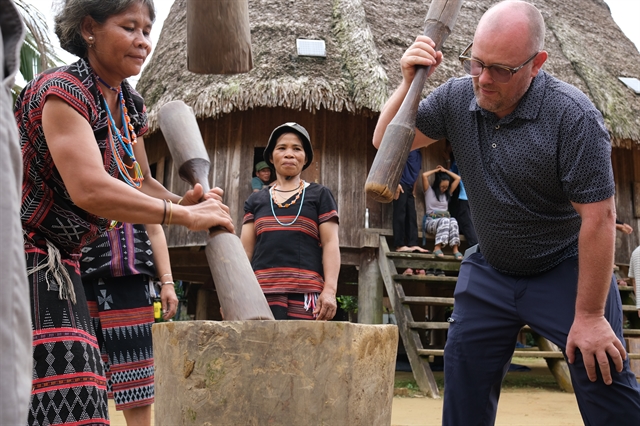
To revitalise heritage and turn culture into a driver of socio-economic development, a distinctive tourism model called “A Day as a S’tiêng Person” has been launched in Bom Bo Hamlet, Bom Bo Commune, offering a fresh approach to local tourism.
Rather than simply observing, visitors take part in immersive cultural activities.
They can wear colourful brocade costumes, try pounding rice with traditional pestles, learn to weave fabric, prepare traditional dishes and listen to stories told beside a warm hearth.
These vivid experiences bring history to life, transforming heritage from something confined to the past into an engaging and dynamic cultural experience.
The model also opens up sustainable economic opportunities for the local community. Lê Thị Thu Thuận, secretary of the Bom Bo Commune Youth Union, said the initiative would be expanded to include handmade souvenirs inspired by S’tiêng culture, such as bookmarks, key rings, fabric bags and brocade gifts.
“Once the products are completed and meet quality requirements, we aim to participate in the OCOP programme and develop a distinctive local gift brand for visitors,” she said.
From a management perspective, Nguyễn Văn Phát, chairman of the Bom Bo Commune People’s Committee, said the locality was piloting the model and would provide maximum support in staffing, facilities and funding to help the Youth Union operate it professionally.
In the coming period, the commune will focus on maintaining gong ensembles and folk performance groups, supporting traditional craft cooperatives and collecting and teaching folk songs to younger generations.
Bom Bo also plans to attract social investment to develop homestays and OCOP product stalls, while strengthening promotion through digital platforms, with the aim of raising the profile of tourism in Bom Bo Hamlet, he said.
Beyond its distinctive indigenous cultures, Đồng Nai is also home to traditional festivals that reflect the region’s identity, serve as spiritual anchors for local communities and offer opportunities for tourism development.
One notable example is the Cầu Bông Festival, which was recognised as national intangible cultural heritage in 2021.
Another is the Bà Rá–Phước Long Goddess Worship Festival, which carries its own spiritual significance.
Centred on the worship of Bà Chúa Xứ, a Mother Goddess, the festival reflects people’s faith in divine protection for the peace and security of their communities.
It is also an occasion to remember and pay tribute to fallen heroes who sacrificed their lives in the region.
Beyond bearing witness to the region’s history and development, these spiritual festivals connect communities with their heritage, nurture their spiritual lives and open up significant opportunities to promote tourism and accelerate local socio-economic growth.
Driving economic growth
Đồng Nai City is working to implement the National Target Programme on Cultural Development for 2026–2035. The programme aims to improve people’s spiritual lives, ensure their right to access and enjoy cultural activities, and meet their needs for recreation, entertainment and sports, thereby contributing to socio-economic development.
The city’s central strategy is to mobilise organisations, individuals and communities to protect and promote national cultural heritage.
It will focus investment on developing cultural industries into an important component of the economy and give priority to building a highly skilled cultural and artistic workforce capable of serving the domestic market and reaching international audiences.
In this process, local people will be the principal creators of culture, while intellectuals, artists, artisans and ethnic minority communities will play a key role.
In terms of infrastructure, the city plans to develop and upgrade major cultural facilities, including museums, libraries, an arts theatre, public squares, a cultural and cinema centre, a sports training and competition centre, and an international conference and exhibition centre.
The city aims to restore all special national and national-level heritage sites, hold regular events at all nationally recognised intangible cultural heritage sites, and revive heritage associated with the settlement and development of the Đồng Nai region and the cultural and artistic traditions of ethnic minority communities. It also aims for revenue from culture and tourism to contribute around 3 per cent of the city’s GRDP.
Lê Trường Sơn, vice chairman of the Đồng Nai City People’s Committee, emphasised that the city would broaden engagement with different economic sectors and attract reputable investors to develop cultural and sports facilities linked to tourism.
The city will prioritise cultural and spiritual tourism products, complete the “Tân Triều Cultural and Tourism Village” model, and encourage each commune and ward to develop its own distinctive tourism products, he said.
Integrating OCOP products into tourism destinations will help strengthen the promotion of local brands.
Đồng Nai will also proactively host major regional and national cultural and tourism events to showcase the region’s natural beauty and its people to visitors from across the country. — VNS
Life & Style
 Life & Style
 Life & Style
 Life & Style
 Life & Style
 Life & Style
 Life & Style
 Life & Style
 Life & Style
 Life & Style
 Life & Style
 Life & Style
 Life & Style
 Life & Style