 Life & Style
Free surgery brings smiles to children with cleft lip, palate deformities
1.
|
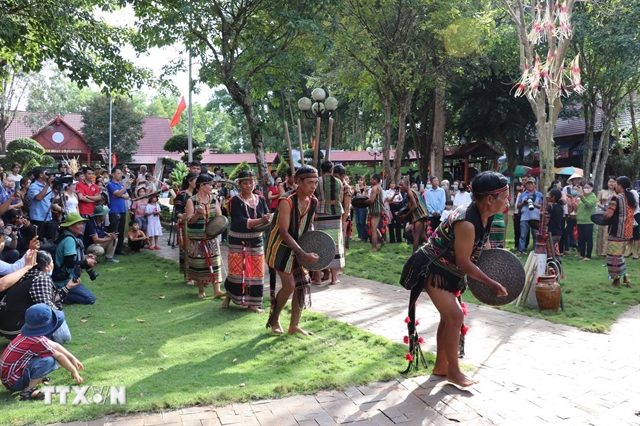
| Traditional festivals of ethnic communities in Đồng Nai attract large numbers of tourists. — VNA/VNS Photo |
ĐỒNG NAI — Đồng Nai is bringing science, technology and digital transformation into cultural development, with a focus on preserving heritage and making culture more accessible to the public.
The move is part of the implementation of Resolution No 57-NQ/TW of the Politburo on breakthroughs in science, technology, innovation and digital transformation.
The province is seeking to combine heritage preservation with digital transformation, allowing cultural values to be preserved, shared and promoted in new forms.
In Đồng Xoài Ward, a recent gong exchange brought together the Bưng Sê neighbourhood gong club and S’tiêng cultural clubs from Bình Phước and Tân Khai Ward. The programme gave artisans an opportunity to exchange experience in preserving S’tiêng gong culture and strengthen cultural ties between local communities.
In Nha Bích Commune, home to 13 ethnic groups, Khmer and S’tiêng traditions are also being preserved through community activities. The commune has organised cultural events, established a traditional dance club, opened classes to pass on heritage to younger generations and worked to restore traditional festivals.
Local authorities see these activities as an important foundation for promoting cultural heritage in the digital environment.
Under its digital culture development plan, Đồng Nai aims for 70 per cent of residents to access and participate in cultural activities through digital platforms by 2030, particularly people in ethnic minority communities and disadvantaged areas.
The province plans to apply new technologies to heritage preservation, the digitisation of festivals and traditional arts, and the development of digital cultural products for entertainment, learning and cultural experiences.
According to Vice Chairman of the Đồng Nai City People's Committee Lê Trường Sơn, the city will promote cultural products and services on digital platforms and encourage the use of technology in their creation, promotion and distribution.
The city also aims to gradually develop a digital cultural market, contributing to the growth of the cultural economy.
People as part of digital culture
Community participation is another focus of Đồng Nai's digital culture strategy.
The city plans to allow residents and researchers to contribute documents, photographs and other cultural materials to digital platforms through crowdsourcing. The approach is intended to expand the collection and preservation of cultural resources beyond State agencies.
The city will also establish “digital cultural spaces” in industrial parks and pilot free digital cultural access points and dedicated applications serving workers' cultural and recreational needs.
Alongside digital transformation, the province will continue investing in grassroots cultural institutions, museums, libraries, theatres, cultural centres and public spaces. All communes and wards are expected to have standard cultural and sports facilities.
All newly established industrial parks are expected to reserve land for cultural and sports facilities, while at least 50 per cent of newly built industrial parks are targeted to have cultural and sports centres serving workers.
By 2045, Đồng Nai aims to make digital culture a driving force for comprehensive and sustainable human development, with the cultural and creative industries becoming a sustainable pillar of the local economy.
The province also targets the restoration and upgrading of all special national- and national-level relics and the regular organisation of festivals included in the national list of intangible cultural heritage. — VNS
Life & Style
 Life & Style
 Life & Style
 Life & Style
 Life & Style
 Life & Style
 Life & Style
 Life & Style
 Life & Style
 Life & Style
 Life & Style
 Life & Style
 Life & Style
 Life & Style
 Life & Style