 Life & Style
Two women recognised for farming excellence, promotion of local specialties
1.
|
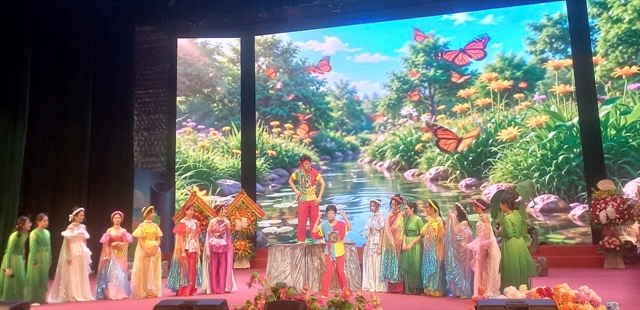
| Students act in a play adapted from the literary work 'Diary of a Cricket' as part of the school theatre initiative. VNS Photos Thanh Hà |
HÀ NỘI — For the past two months, more than 600 teachers and students at Hà Nội middle and high schools have spent their summer holiday in the theatre, bringing stories and characters previously found only in books to life on stage.
This was the result of a project to perform plays adapted from renowned Vietnamese and international literary works that form part of the school curriculum, an initiative from the Hà Nội People's Committee aimed at promoting education and the arts in the capital.
The school theatre programme teaching staff were artists with extensive experience in both instruction and performance, such as People's Artist Trần Đức, Meritorious Artists Lan Anh and Tú Oanh alongside lecturers from the Hà Nội College of Arts.
It was the first year the initiative has been carried out by the Hà Nội College of Arts. Teachers and students from schools across 13 wards and communes took part in the programme, a structured model that connects arts education with the general education curriculum.
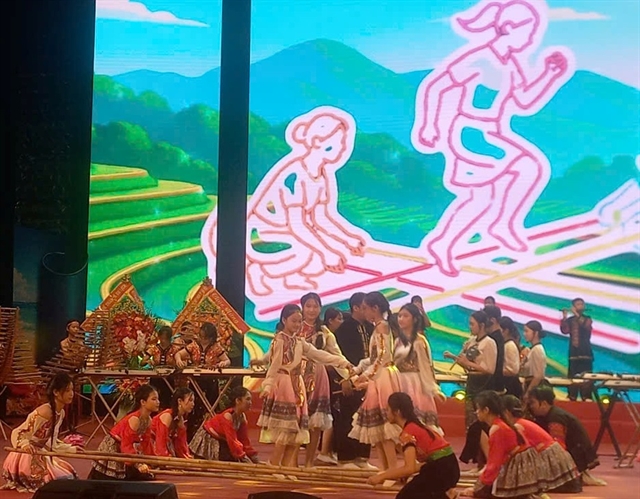
Students gained exposure to a wide range of subjects in the performing arts, including stagecraft, physical movement, acting, theatrical knowledge, vocal training, traditional instruments and ensemble practice.
The initiative focused on equipping teachers with stagecraft skills and methods for organising artistic activities within the school environment.
|
| Over two months of summer vacation, hundreds of students learned acting, singing and music skills. |
During the programme, participants performed 13 plays adapted from literary works for the stage, such as Tô Hoài’s Diary of a Cricket and Ngô Tất Tố’s Turning off the Light.
Students also had the chance to attend five workshops, where they met and talked with artists, actors and actresses, watched excerpts adapted from literary works and engaged in hands-on performance practice.
Giang Trà My from Thọ Xuân High School said that when she acted in the Turning off the Light, she felt a deeper understanding of her character's emotions and psychological states.
"I have come to better grasp and truly appreciate the message the author intended to convey in the work. The programme allowed me to meet new friends and gain several personal development skills, such as teamwork and communication. I really hope that the programme will be held regularly, and that I will have the chance to take part in it again," she said.
At the project's closing ceremony on August 12, Deputy Minister of Culture, Sports and Tourism Tạ Quang Đông said that the success of the school theatre initiative was highly encouraging and warranted further replication.
"Việt Nam possesses a rich treasure trove of literature and the arts. Introducing theatre into schools offers more than just arts education; it allows for the integration of patriotism and knowledge of history and literature," said Đông.
"Expanding similar programmes and initiatives within schools is essential, and these efforts need to be systematic and frequent to ensure young people have early access to the arts."
The Hà Nội College of Arts reported that the project had helped students improve their performance skills, teamwork and self-confidence in front of an audience. It also fostered greater enthusiasm for learning and enhanced their appreciation of literature and the arts.
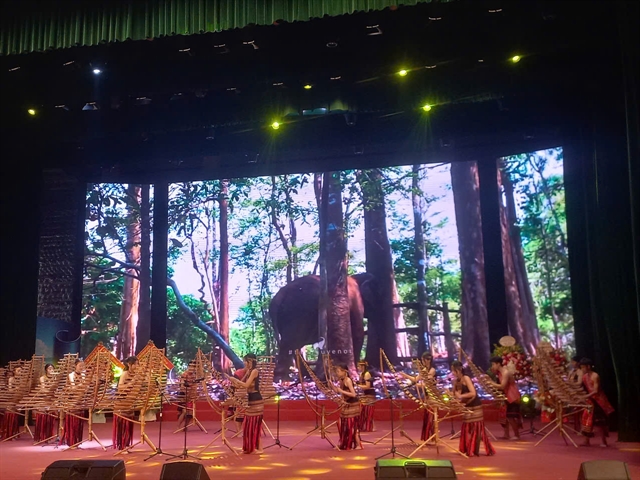
|
| The project aims to equip students with ability to play at least one instrument when they graduate school. |
Building on these initial results, the project aims to expand opportunities for students to access, study and practise the arts in a structured manner tailored to the specific conditions of each school.
One key objective for the next phase is for every student to be able to play at least one musical instrument by the time they graduate from school.
The programme is a practical initiative aimed at realising the goal of comprehensive education set by the Politburo in Resolution 71 on breakthrough developments in education and training. — VNS
Life & Style
 Life & Style
 Life & Style
 Life & Style
 Life & Style
 Life & Style
 Life & Style
 Life & Style
 Life & Style
 Life & Style
 Life & Style
 Life & Style
 Life & Style
 Life & Style
 Life & Style