 Life & Style

Việt Nam, EU and Belgium seek deeper, practical cooperation
1.
|
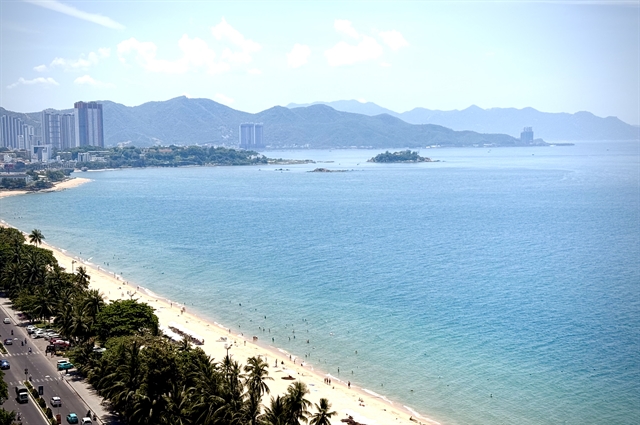
| A view of Nha Trang Beach. Vietnamese travelers prioritise supporting local communities and conserving the environment during their journeys. — VNS Photo Thu Ngân |
HCM CITY — Vietnamese travelers prioritise supporting local communities and conserving the environment during their journeys, a recent report by Booking.com unveiled.
In Booking.com's 11th annual Travel & Sustainability Report, it was revealed that 85 per cent of Vietnamese travelers consider sustainable travel important or very important. Notably, travelers expressed a desire to enhance the places they visit, emphasising their commitment to supporting local communities and preserving the environment.
For a second consecutive year, respondents were asked about their perspectives on tourism in their home regions. The survey, conducted among 32,500 participants across 35 nations, disclosed that globally, 60 per cent believe that tourism has a positive overall impact on their localities. In Việt Nam, a notable 76 per cent of respondents shared this positive sentiment.
The primary advantages highlighted by locals are economic growth, job creation, and increased entertainment and leisure options, all of which contribute significantly to the well-being of local residents. Conversely, challenges such as traffic congestion, elevated litter levels, the rise in living costs, and overcrowding have been cited as downsides.
Drawing insights from these findings, Booking.com has outlined strategies for Vietnamese travelers to engage in more sustainable practices, bolster local communities, and minimise their impact on visited destinations.
One of the recommendations is to explore destinations beyond the popular tourist spots. Overcrowding in renowned attractions can strain local infrastructures and disturb the daily lives of residents.
By venturing off the beaten path, travelers can experience lesser-known locales like Phú Yên, Ninh Thuận, Cao Bằng and Mù Căng Chải, offering unique experiences away from the tourist influx. This not only enriches the travel experience but also supports smaller communities and relieves pressure on overcrowded areas.
Additionally, traveling during off-peak seasons is encouraged to reduce congestion, allowing for a more leisurely exploration of popular sites. Shifting travel dates even by a few weeks can ease the strain on local communities during peak periods.
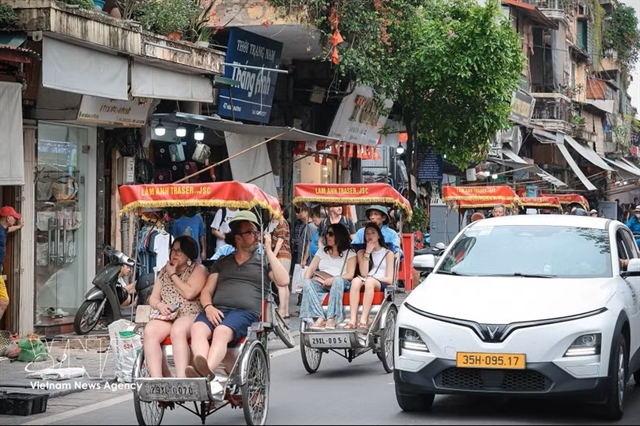
Enhanced public transportation is essential for sustainable tourism, as noted by 48 percent of Vietnamese residents. Opting for eco-friendly modes of transport such as cycling, walking, or utilising public transit can reduce carbon emissions and provide a more authentic way to explore localities.
Supporting local businesses, conserving natural environments, and engaging with indigenous cultures are emphasised as crucial practices for sustainable travel. Choosing where to dine, shop, and book activities directly impacts local communities, while preserving the natural beauty of destinations is vital for safeguarding their appeal to travelers.
Lastly, fostering an understanding of local customs, laws, and conservation efforts is vital in promoting respectful interactions with residents. A conscious effort to honour cultural norms and protect traditions not only enhances the travel experience but also fosters positive relationships with local communities.
By adopting these sustainable travel habits, Vietnamese travelers can contribute to the well-being of communities, uphold environmental conservation, and create meaningful connections with destinations visited. — VNS
Life & Style
 Life & Style
 Life & Style
 Life & Style
 Life & Style
 Life & Style
 Life & Style
 Life & Style
 Life & Style
 Life & Style
 Life & Style
 Life & Style
 Life & Style
 Life & Style
 Life & Style