 Life & Style
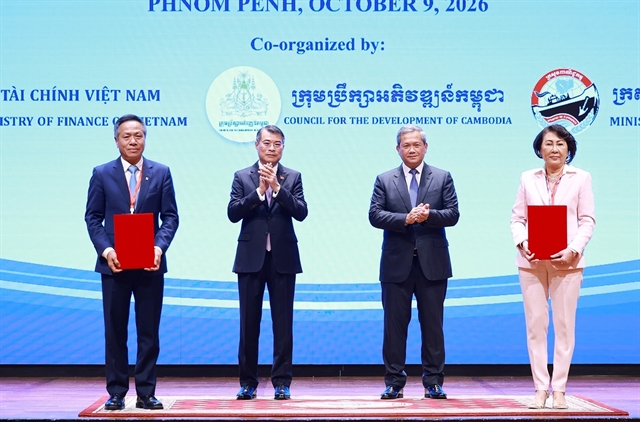
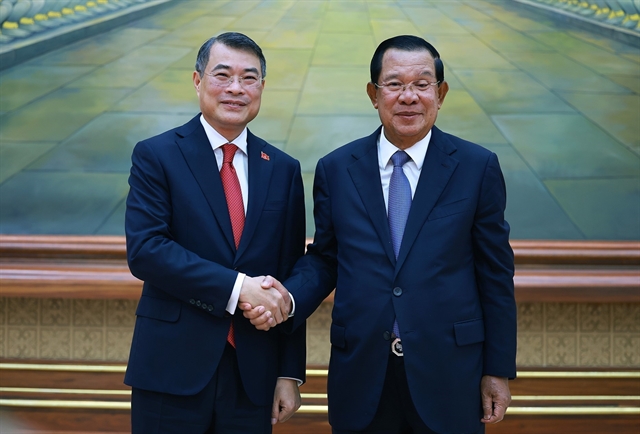
Vietnamese Prime Minister meets Cambodian National Assembly President
1.
|
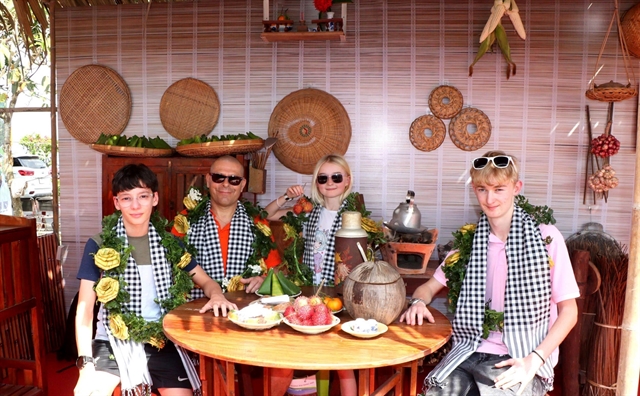
| Foreign tourists take photos at the “Bếp xưa” (Old Kitchen) space showcasing traditional southern Vietnamese life at the Vĩnh Long Museum in Vĩnh Long Province. — VNA/VNS Photo |
VĨNH LONG — Vĩnh Long Province is leveraging its waterway connectivity and landscapes, cultural heritage, and regional links to turn tourism into a key economic sector and new growth driver for the Cửu Long (Mekong) Delta.
After Trà Vinh and Bến Tre provinces merged with it in July 2025, Vĩnh Long now spreads over 6,296 square kilometres and has a population of over 4.2 million.
It occupies a strategic position, with three sides bordered by rivers and one by the sea, creating a diverse ecosystem that stretches from inland waterways to coastal areas.
More than 130 kilometres of coastline with major river mouths such as Định An and Cung Hầu provide favourable conditions for maritime economic development and tourism.
In addition to its ecological strengths, renewable energy centres in Duyên Hải and Bình Đại, along with the Định An Economic Zone and Trà Vinh port cluster, are opening up opportunities for industrial and windmill tourism.
|
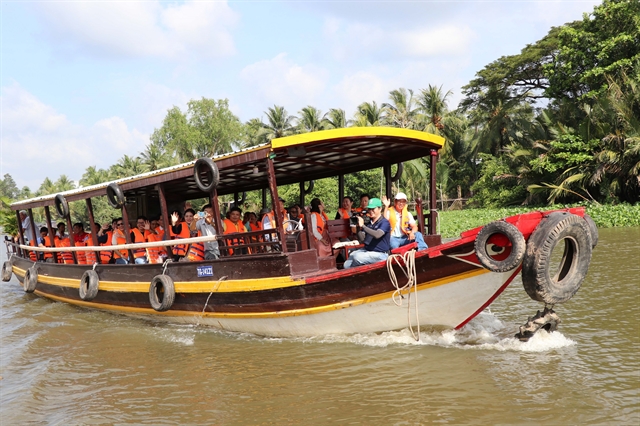
| Visitors experience eco-tourism along waterways in Vĩnh Long Province. — VNA/VNS Photo |
Trần Ngọc Chính, chairman of the Việt Nam Urban Planning and Development Association, said Vĩnh Long holds an important position in the Mekong Delta’s overall development.
The province lies between two major economic centres, Cần Thơ and HCM City, which gives it a big advantage in attracting visitors provided it is well connected, he said.
Beyond its geographical advantages, Vĩnh Long is also known for its rich cultural heritage.
It is the home of many historical figures and prominent individuals, including late Prime Minister Võ Văn Kiệt and Heroine of the People’s Armed Forces Nguyễn Thị Út.
Memorial sites dedicated to historical figures and prominent individuals are becoming popular destinations for heritage and educational tourism.
The long coexistence of the Kinh, Khmer, and Hoa ethnic groups has created a diverse cultural landscape across the province.
|
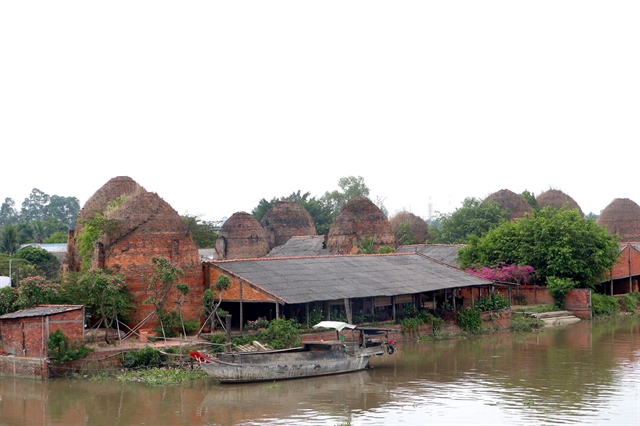
| The core area of the Mang Thít brick and pottery village in Nhơn Phú Commune. — VNA/VNS Photo |
The province is home to three national treasures, 16 items listed as national intangible cultural heritages, and 214 recognised historical and cultural relics.
Many attractions reflecting local identity are drawing visitors, including ancient Khmer pagodas and the Mang Thít brick and pottery village.
These are considered important foundations for building the province’s tourism brand in both domestic and international markets.
The tourism industry has achieved strong growth in recent years.
The province received more than 9.3 million visitors last year, up 13.4 per cent from 2024, and reported tourism revenues of nearly VNĐ8 trillion (US$304 million).
There were more than 1.27 million foreign arrivals, up 71.6 per cent.
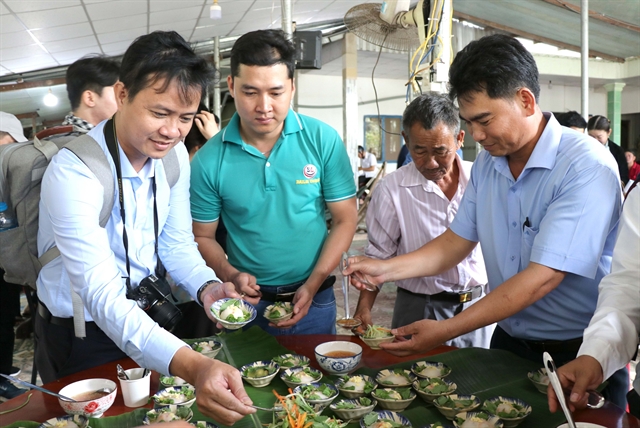
|
| Visitors enjoy traditional Vietnamese cakes at Nhị Hòa Rural Tourism Village in Nhị Long Commune. — VNA/VNS Photo |
Nguyễn Thị Ngọc Dung, deputy director of the Department of Culture, Sports and Tourism, said: “Strong tourism growth is the result of innovation in professional services, tourism products, and co-operation with other provinces, cities, and travel firms.”
Many tourism sites have developed community-based products reflecting the local identity, including the An Bình and Đại An rural markets, alongside experiences linked to traditional craft villages, fruit orchards, riverine islands, and waterway eco-tourism.
Accommodation services, homestays, and resorts have gradually improved in quality.
Many tourism operators are developing combined tours linking eco-tourism, craft villages, historical sites, and coastal destinations to meet the diverse needs of local and foreign travellers.
But the positive results notwithstanding, the province’s tourism industry is still seen as falling short of its potential.
Infrastructure, service quality, and product connectivity still require improvement, local authorities admitted.
Dương Hoàng Sum, director of the Department of Culture, Sports and Tourism, said the province aims to make tourism a key sector by 2030, accounting for 6–7 per cent of the economy.
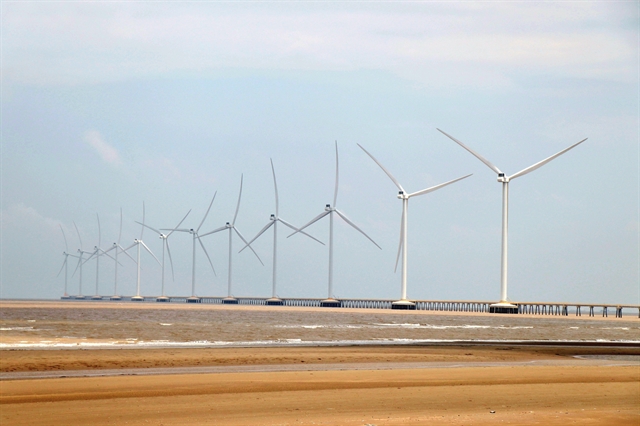
|
| Wind turbines operate along the coast in Trường Long Hòa Ward, and have become a tourism draw. — VNA/VNS Photo |
The province is implementing breakthrough solutions under the tourism development strategy of “one route – three destinations”, drawing on the distinct strengths of the former provinces of Vĩnh Long, Trà Vinh, and Bến Tre to create sustainable growth momentum.
Under the strategy, the Trà Vinh area is planned as a green tourism urban centre focused on Khmer cultural values, coastal tourism linked with wind power plants, and mangrove eco-tourism.
The former Vĩnh Long Province area is completing several key investment projects, including the Mang Thít brick and pottery village, the Giông riverine island eco-tourism and resort project, and the Mekong Delta Agricultural Museum combined with agricultural experience and entertainment tourism.
Other projects include the Dài riverine island eco-tourism site, along with eco-urban areas and commercial service zones.
In the former Bến Tre Province area, authorities are prioritising tourism linked with “coconut culture”, as it is the country’s largest coconut-producing region.
The area will also focus on expanding river tourism routes connecting with other provinces and international destinations.
Along with developing tourism products and infrastructure, Vĩnh Long is also drafting a tourism development plan and investment support policies for until 2030.
It hopes to receive 9.84 million visitors this year, and earn revenues from tourism of over VNĐ9.37 trillion ($356 million). — VNS
Life & Style
 Life & Style
 Life & Style
 Life & Style
 Life & Style
 Life & Style
 Life & Style
 Life & Style
 Life & Style
 Life & Style
 Life & Style
 Life & Style
 Life & Style
 Life & Style
 Life & Style