 Life & Style
VPBank Đất Sen Hồng Music Marathon returns with 15,500 runners in Đồng Tháp
1.
|
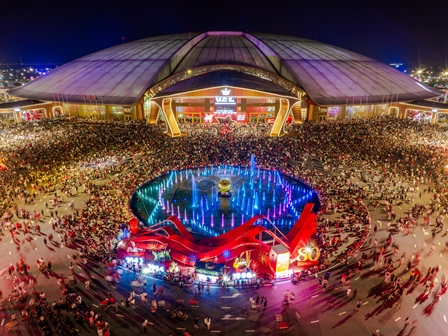
| VEC will be the destination for world-class international exhibitions and outdoor events in Việt Nam. — Photo courtesy of organisers |
HÀ NỘI — Việt Nam has the potential to become a cultural industry hub in Asia, building on the strong contributions of sectors such as exhibitions, events and advertising, which are currently experiencing rapid growth.
Minister of Culture, Sports and Tourism Lâm Thị Phương Thanh raised her voice at the Vietnam Exhibition, Event and Advertising Connect Summit 2026 held on May 8 in Hà Nội.
As the Vietnamese exhibition, event and advertising industry enters a new phase of development shifting from quantity to quality, it faces an urgent need for restructuring and standardisation, paving the way for a new era for the cultural industry and sports economy.
With the goal of establishing an internationally standardised reference system and creating a closed value chain for the next stage of development in the cultural industry and sports economy, the summit drew the participation of numerous experts, businesses and media.
Under the strategic theme "The Era of Emergence of the Sports Culture & Economy Industry - From Connection to World-Class Experience", the event was considered the industry's most important macro-level forum of the year.
|
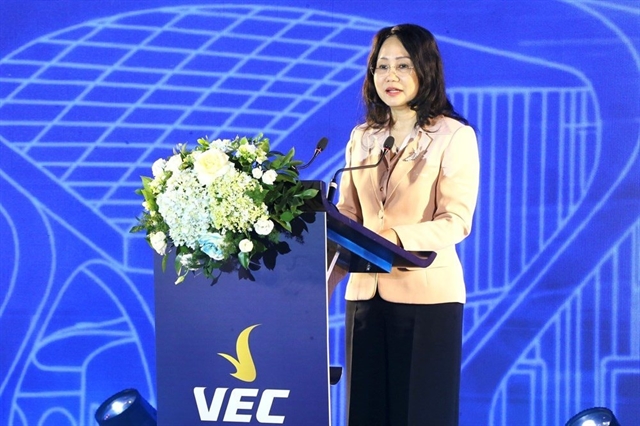
| Minister of Culture, Sports and Tourism Lâm Thị Phương Thanh delivers a speech at the summit. |
Minister Thanh said the exhibition, events, and advertising sectors gradually affirmed its important role in the cultural industry value chain, contributing to connecting markets, promoting the national image, and creating momentum for the development of many other economic sectors.
She emphasised that, in the process of moving towards the goal of becoming a developed, high-income country by 2045, culture is not only the spiritual foundation but also an endogenous resource, a driving force for development, and a national soft power.
The policy of developing the cultural industry received profound attention from the State, as consistently and strongly demonstrated through two landmark documents – Resolution 80-NQ/TW of the Politburo and Resolution 28 of the National Assembly.
Resolution 80 identified culture as a strategic economic sector, while Resolution 28 concretised that orientation through groundbreaking policies, most notably the requirement that at least 2 per cent of total state budget expenditure be allocated to culture.
The synergy between the two resolutions created a solid legal framework, providing a foundation for ministries and agencies to continue issuing detailed decrees and circulars that deliver practical benefits to the entire sector.
“We are at a historic moment, as a groundbreaking system of cultural policies and guidelines has been introduced, new infrastructure is taking shape, the business community is becoming increasingly mature, and public demand for cultural, sports, entertainment and creative products and services continues to grow," said Minister Thanh.
“I believe that, with the Party’s leadership, the Government’s decisive management, the support of the Ministry of Culture, Sports and Tourism, the dedication of the business community, and cooperation from international partners, Việt Nam has every opportunity to become a dynamic cultural industry hub and a leading event destination in Asia in the near future.”
She suggested organising national-level cultural and artistic events and exhibitions that reflected Vietnamese identity and have international competitiveness, while enhancing the capacity to host major international events.
The minister also called on the business community to strengthen connections with international partners, proactively propose cooperation initiatives, attract prestigious events to Việt Nam, and work alongside the Government in promoting the national image.
|
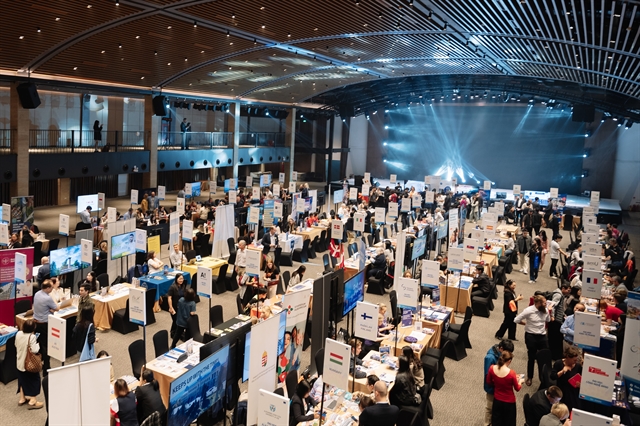
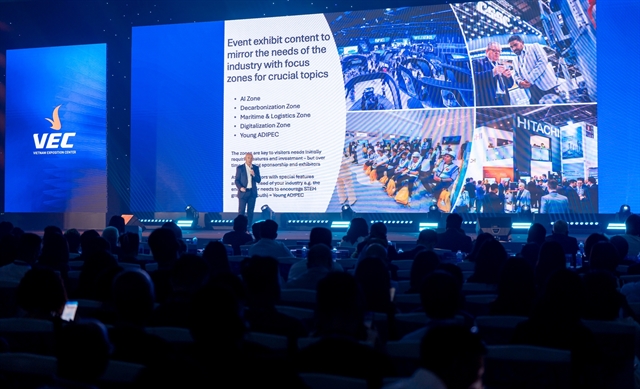
| Many speakers, delegates and experts take part in the summit, the most important macro-level forum of the year about exhibition, event and advertising on May 8 in Hà Nội. |
At the summit, experts and business representatives shared diverse perspectives on the development trends of the cultural industry and the experience economy.
According to Phạm Thái Hà, CEO of Vietnam Exposition Centre (VEC), the constructions that could serve large-scale events were mainly in Hà Nội, HCM City and Đà Nẵng.
Many new projects, such as the VEC, the Hùng Vương Stadium and the Hồ Gươm Opera House, were expected to attract many global events in the future. However, she believed that advancing the industry’s development requires more than the individual efforts of each enterprise; it calls for a synchronised strategy that combines the vision of state management with the creative capacity of the private sector.
Meanwhile, Dr Cấn Văn Lực, a veteran economist and member of the Prime Minister's Policy Advisory Council, believed that building a favourable policy framework would be an important springboard to help Việt Nam's experience economy break through in the coming period.
Meanwhile, others agreed that the synchronised development of infrastructure, policies, and businesses would create a crucial foundation for Việt Nam to become a destination for world-class international events in the future.
During the summit, delegates took part in two discussion sessions that addressed practical issues facing professionals in the event, exhibition and advertising industries, while also proposing effective solutions. — VNS
Life & Style
 Life & Style
 Life & Style
 Life & Style
 Life & Style
 Life & Style
 Life & Style
 Life & Style
 Life & Style
 Life & Style
 Life & Style
.jpg) Life & Style
Life & Style
 Life & Style
 Life & Style
 Life & Style