 Life & Style
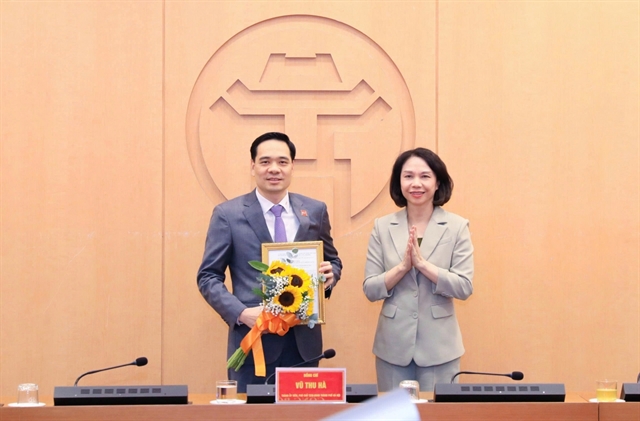
Saint Paul General Hospital Director Nguyễn Đức Long appointed as Deputy Director of the Hanoi Department of Health
1.
Dr Ekaterina Naumova*
Potty training is a major milestone, but it doesn’t have to be a battle. While every child is unique, success usually comes down to two things: readiness and patience.

|
| Potty training is an important developmental milestone that requires patience, encouragement and a supportive environment for children. — Photo courtesy of Family Medical Practice |
Look for the signs
Age is just a number. Most children develop the necessary physical and cognitive skills to be toilet trained between 18 months and three years old. Look for these cues:
• Staying dry for at least two hours at a time.
• Showing interest in the bathroom or wearing 'big kid' underwear.
• The ability to follow simple, two-step instructions.
• Telling you (verbally or through gestures) when they have a soiled diaper.
Prepare the environment
Make the transition feel natural rather than a sudden event.
• The gear: Let your child choose their own potty chair or a special seat that fits onto your regular toilet.
• The vocabulary: Use consistent, simple words for body parts and functions (e.g., "pee," "poop," "potty").
• The routine: Encourage your child to sit on the potty at high-probability times, such as first thing in the morning or 20 minutes after meals.
Paediatrician-approved strategies
• Keep it positive: Use praise and small rewards (like stickers) for effort, not just results.
• Avoid pressure: If your child resists, take a break. Forcing the issue can lead to stool withholding and constipation.
• Dress for success: Switch to loose-fitting pants or training pants that they can easily pull down themselves.
• Expect accidents: They are a normal part of the learning process. Respond calmly with, "That’s okay, let’s try to get to the potty next time."
When to call a paediatrician
While most children master daytime toilet training within a few months, don’t hesitate to reach out to a paediatric doctor if you notice:
• Pain during urination or bowel movements.
• Extreme resistance or fear of the toilet.
• A sudden reversal in progress after being successful for months.
• Signs of constipation (hard, infrequent stools).
A note on nighttime
Staying dry at night often takes much longer than daytime training. This is a developmental process involving hormone production and bladder capacity, it cannot be rushed!
Need personalised advice?
Every child's journey is different. If you have specific concerns about your child’s development or physical readiness, our paediatrician team at Family Medical Practice is here to help.

|
| Dr Ekaterina Naumova. — Photo courtesy of Family Medical Practice |
*Dr Ekaterina Naumova brings a wealth of international experience and expertise as a highly qualified paediatrician at Family Medical Practice in HCM City. She holds a medical degree from Moscow State University of Medicine and Dentistry, where she specialised in Paediatrics. With a strong foundation in evidence-based medicine, Dr Naumova manages a wide range of childhood conditions — from preventive care to complex diagnoses. Her approachable manner and thorough consultations help ensure both children and parents feel supported at every step.
FMP Healthcare Group operates medical centres in major cities including HCMC, Hà Nội and Đà Nẵng, offering consultations with international doctors, check-up centres and emergency ambulance services.
Visit FMP Diamond Plaza in HCM City to consult with Dr Ekaterina Naumova.
To book an appointment, please call (028) 3822 7848 (FMP - Diamond Plaza) email hcmc@vietnammedicalpractice.com.
Life & Style
 Life & Style
 Life & Style
 Life & Style
 Life & Style
 Life & Style
 Life & Style
 Life & Style
 Life & Style
 Life & Style
 Life & Style
 Life & Style
 Life & Style
 Life & Style
 Life & Style