 Life & Style
84 individuals investigated for transnational online frauds
1.
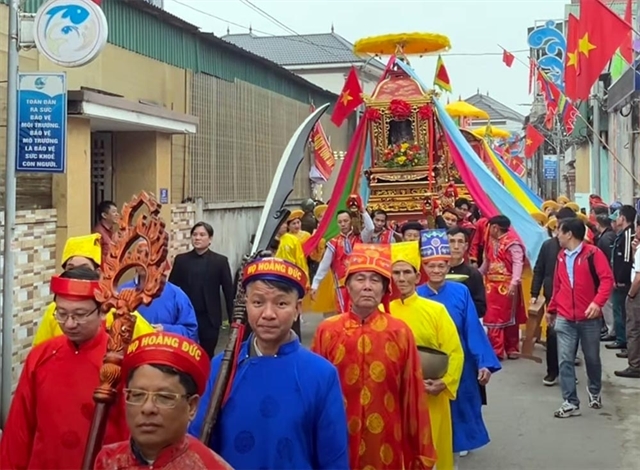 |
| A palanquin procession at the Mai Bảng Temple Festival. — Photo courtesy of Mai Bảng Temple National Historical Site |
HÀ NỘI — Nghệ An has something new to celebrate as its national heritage list lengthens, adding fresh flavour and festivity with the recognition of two intangible cultural heritages: the Mai Bảng Temple Festival and the knowledge of preparing dishes from eel. The Ministry of Culture, Sports and Tourism has officially inscribed both on the National List of Intangible Cultural Heritage, underscoring the province’s rich blend of ritual and cuisine.
The Mai Bảng Temple Festival, held in the coastal Cửa Lò Ward of Vinh City, is closely linked to the worship of Chiêu Trưng Đại Vương Lê Khôi, a distinguished general of the early Lê Dynasty. He played a vital role in the Lam Sơn uprising alongside King Lê Lợi in defeating the Ming invaders and helped local people reclaim land, establish villages and stabilise their livelihoods. After his death, villagers built an altar to honour him as their guardian deity. The temple also venerates Lady Chế Thắng Nguyễn Thị Bích Châu, Lady Thủy Tinh and six village founders, reflecting deep-rooted local beliefs and the coastal tradition of remembering the source of the water one drinks.
Two major festivals are held at Mai Bảng Temple each year, on the 12th day of the second lunar month and the 3rd day of the fifth lunar month. The February festival is particularly significant, marking the anniversary of the village’s founding, serving as a fishermen’s ritual for good catches in Cửa Lò and commemorating the death anniversary of Lady Chế Thắng.
The festival blends solemn rituals, including prayers for prosperity, prayers for abundant fishing and a palanquin procession, with lively community activities. Folk games such as human chess, tug of war, basket swinging, stick pushing, sack racing and the making of quết oản, a cake offered to deities, draw family clans together in spirited competition, creating a vibrant cultural space rich in local identity.
The Mai Bảng Temple Festival is regarded as a representative intangible cultural heritage of Cửa Lò’s coastal communities, helping to preserve traditional values, strengthen communal bonds and instil patriotism across generations.
Alongside the festival, Nghệ An’s knowledge of preparing eel dishes has also gained national recognition. This body of folk knowledge reflects centuries of accumulation, creativity and transmission within the community, closely tied to the natural environment, daily life and the region’s distinctive culinary culture.
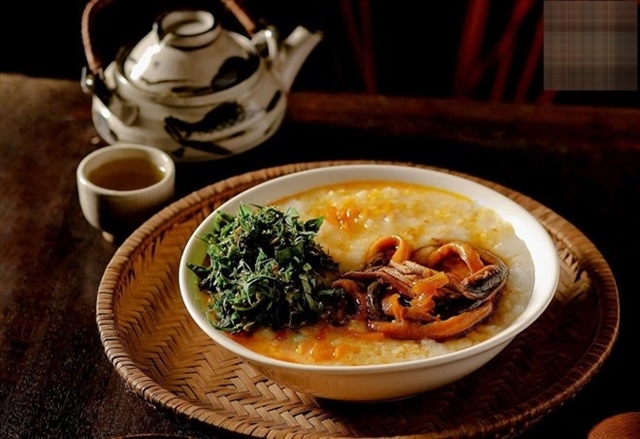 |
| The knowledge of preparing eel dishes in Nghệ An has been recognised as a national intangible cultural heritage. — Photo laodong.vn |
The tradition encompasses techniques of ingredient selection, preliminary processing, seasoning and cooking, while embodying folk experience and regional identity. It is expressed in a wide range of dishes such as eel porridge, eel soup, eel vermicelli, stir-fried eel, eel braised with banana and tofu and grilled eel. The secret lies in meticulous preparation, the use of distinctive spices such as hành tăm (wild shallots), fresh turmeric, chilli and lemongrass, together with the elaborate technique of simmering broth from eel bones. Many of these dishes have become renowned specialities, enjoyed by diners both within and beyond the province.
The richness of eel cuisine was highlighted at the Nghệ An Culinary Culture Festival in July, 2019, when the event 50 Eel Dishes was organised and recognised as a Việt Nam record, showcasing dozens of unique creations prepared by artisans.
The inclusion of this culinary knowledge on the national list not only reinforces the cultural and gastronomic value of Nghệ An but also provides a foundation for preservation and promotion programmes, linking heritage with tourism development and sustainable livelihoods for local communities.
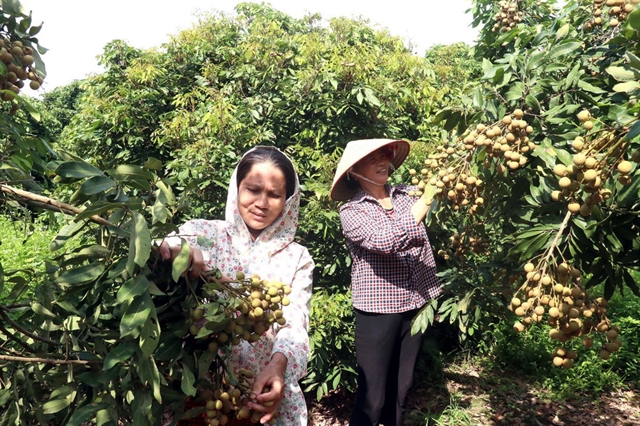 |
| The knowledge of cultivating and processing longan in Hưng Yên Province has been recognised as a form of folk wisdom and traditional craftsmanship. Photo vietnamplus.vn |
Alongside the newly recognised intangible heritages in Nghệ An, the knowledge of cultivating and processing longan in Hưng Yên Province, specifically in Hồng Châu Ward, Sơn Nam Ward, Tân Hưng Commune, Khoái Châu Commune, Triệu Việt Vương Commune and Tiên Lữ Commune, has also been added to the national heritage list.
This traditional knowledge has been officially recognised as a form of folk wisdom and traditional craftsmanship. Over generations, local communities have accumulated and refined practices closely linked to the cultivation, care, harvesting, preservation and processing of Hưng Yên longan.
Hưng Yên longan has long been a symbol of Việt Nam’s renowned agricultural produce, deeply rooted in the fertile alluvial soil of the Red River and nurtured by the skilled hands of local farmers. In recent years, it has remained a key agricultural product, generating significant economic value and contributing to the prosperity of farming communities in Hưng Yên.
Beyond its reputation as a distinctive fruit, Hưng Yên longan embodies a rich body of folk knowledge. From seed selection, pruning and flower induction to preservation and the production of dried longan and longan honey, each stage reflects experience accumulated and passed down through generations.
The State’s recognition not only affirms the cultural, historical and scientific value of this traditional knowledge but also provides a legal basis for its preservation and promotion. It ensures that safeguarding this heritage goes hand in hand with advancing agricultural development and strengthening Hưng Yên’s local brand identity.
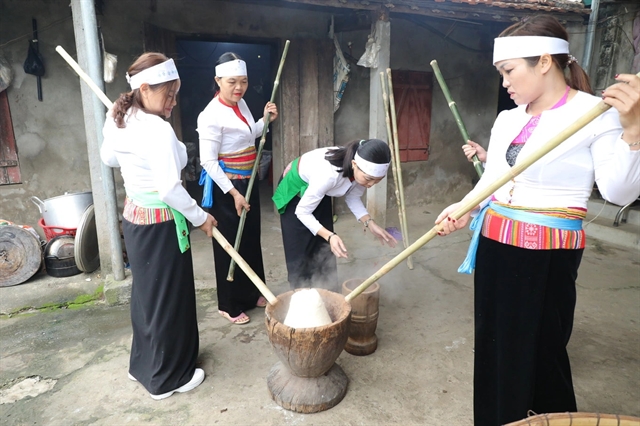 |
| Mường women pound steamed sticky rice to make bánh dầy (round sticky rice cake) – an indispensable cake in the New Rice Festival. Photo dantri.com.vn |
Similarly, the New Rice Festival and the traditional wedding of the Mường ethnic community in Ninh Bình Province have been inscribed as cultural practices that deeply reflect the spiritual life, beliefs and humanistic worldview of the Mường people. These traditions capture the rhythm of agricultural production while also expressing the importance of family bonds, community relationships and reverence for ancestors.
Together, these recognised heritages are not only a source of pride for local communities but also a reminder of the responsibility to preserve, safeguard and promote their values, ensuring that these cultural currents continue to flow strongly into contemporary life. — VNS
Life & Style
 Life & Style
 Life & Style
 Life & Style
 Life & Style
 Life & Style
 Life & Style
 Life & Style
 Life & Style
 Life & Style
 Life & Style
 Life & Style
 Life & Style
 Life & Style
 Life & Style