 Environment

Masan’s earnings more than double in Q3
1.
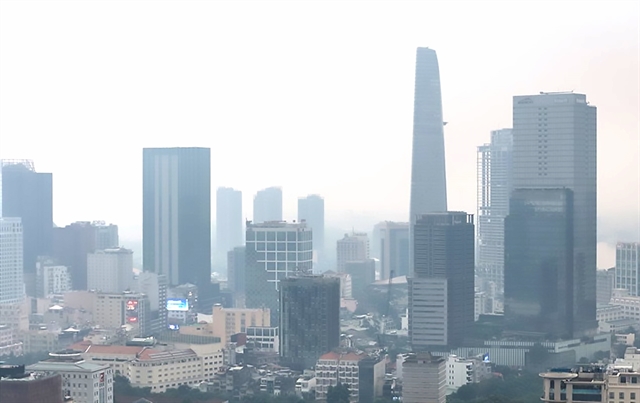 |
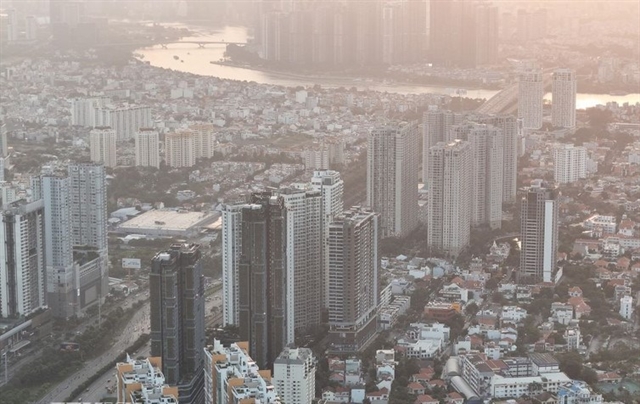
| A layer of fine-dust haze envelops high-rise buildings in central HCM City, December 2, 2024. — VNA/VNS Photo |
HCM CITY — HCM City is preparing to establish Việt Nam’s first large-scale low-emission zone (LEZ) in 2026, introducing stricter limits on petrol and diesel vehicles as part of a broader effort to cut air pollution and accelerate the shift toward cleaner transport.
City officials say the plan forms part of a two-phase vehicle-emissions strategy aligned with a national directive on environmental pollution.
The first phase targets buses, with a roadmap already in place to convert the entire fleet to electric or other clean-fuel vehicles by 2030. The second phase, still being finalised, would apply to all remaining vehicles and introduce emissions-control zones in the central wards, Cần Giờ and Côn Đảo.
The proposal is expected to be submitted to the HCM City People’s Council in early 2026.
Restrictions would start in 2026. Heavy diesel trucks would be banned outright. Commercial vehicles below Euro 4 standards and service-business motorbikes below Euro 2 would also face limits on entering the zone.
From 2027, when motorbike emissions testing becomes mandatory nationwide, all cars below Việt Nam’s Level 4 emissions standards and motorbikes below Level 2 would be restricted from the central area.
The zone would expand outward to Ring Road 1 by 2031, with tighter standards applying citywide from 2032.
The city plans to install a network of licence plate recognition and traffic-monitoring cameras at every LEZ entry point. About 58 cameras would be installed between 2026 and 2032, with an additional 200 added afterward.
The system would automatically check each plate against national inspection records and issue electronic fines to vehicles that do not meet emission standards.
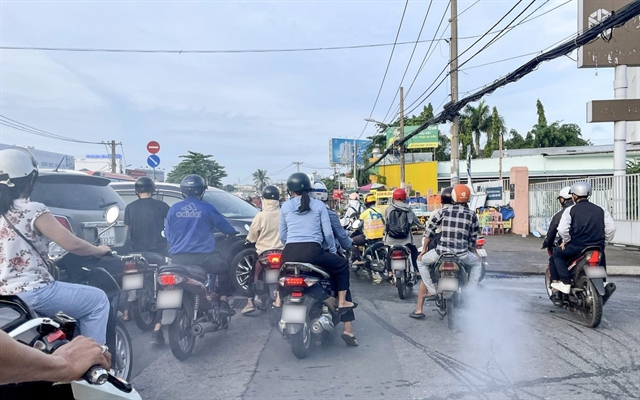 |
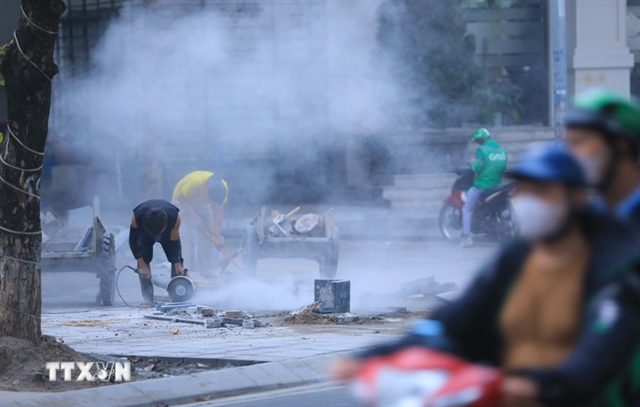
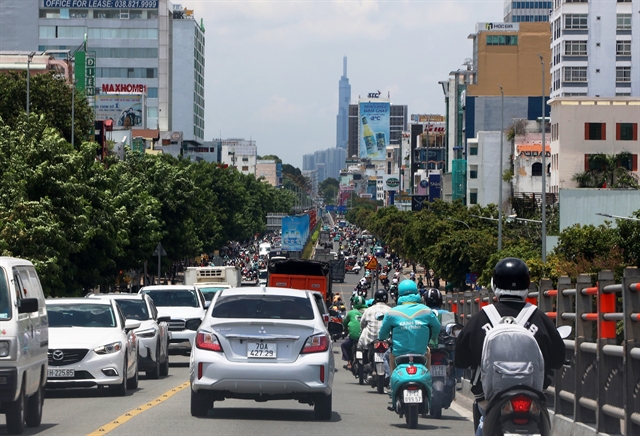
| Motorbikes emitting exhaust fumes on a street in HCM City. — Photo tienphong.vn |
Authorities say the first month will focus on warnings only. From months two to six, fines will be applied at half the usual rate: VNĐ100,000 (US$3.8) for motorbikes and VNĐ200,000 for cars.
Full fines of VNĐ200,000 and VNĐ400,000 will be enforced after the six-month transition.
Bùi Thị An, director of the Institute for Natural Resources, Environment and Community Development, said automated monitoring could play a critical role in reducing pollution in dense urban areas.
"When people know violations are recorded automatically, they tend to comply better," she said, noting that camera systems have already improved traffic behaviour in Hà Nội and Hải Phòng.
"It helps build long-term habits that protect the environment."
Experts say emissions testing will only succeed if residents can easily access inspection services.
Nguyễn Hữu Dũng, director of the Vietnam Institute of Urban and Industrial Environment, said the city will need more testing stations and transparent pricing.
Mobile units, he noted, currently measure only carbon monoxide and hydrocarbons, while fixed stations are more expensive to set up.
To meet demand, he suggested allowing motorbike dealerships and repair shops to operate as certified testing points under government oversight.
He added that the priority should be helping households retire or upgrade older high-emitting motorbikes, which remain common among low-income riders.
If approved, HCM City’s LEZ would be one of Việt Nam’s most ambitious attempts to tackle vehicle pollution, which has worsened steadily alongside rapid urbanisation.
Officials say the plan aligns with Việt Nam’s commitments to cut greenhouse gas emissions and modernise its transport systems.
But the transition will also test public acceptance in a city where motorbikes are central to daily life. Whether residents embrace mandatory testing and vehicle restrictions may determine how fast HCM City can clear its polluted skies. — VNS
Environment
 Environment
 Environment
 Environment
 Environment
 Environment
 Environment
 Environment
 Environment
 Environment
 Environment
 Environment
 Environment
 Environment
 Environment