 Economy

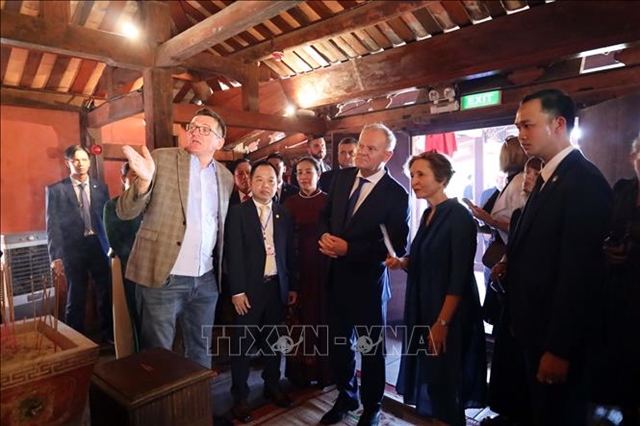
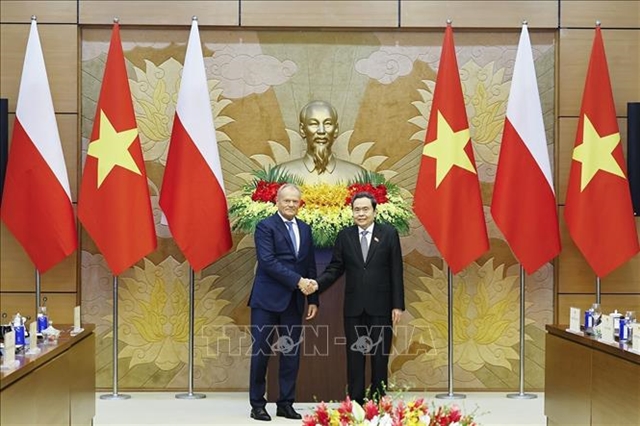
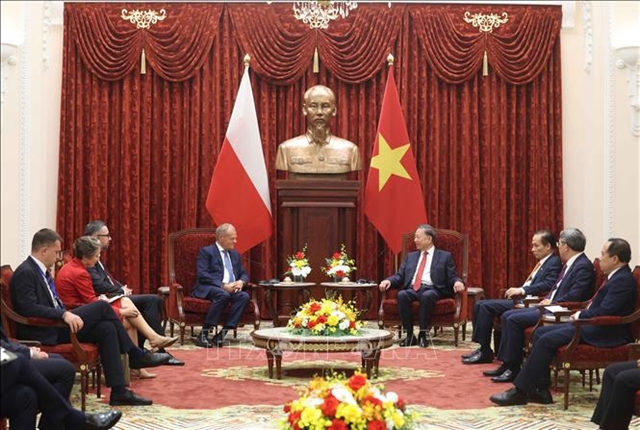
Polish Prime Minister Donald Tusk wraps up official visit to Việt Nam
1.
|
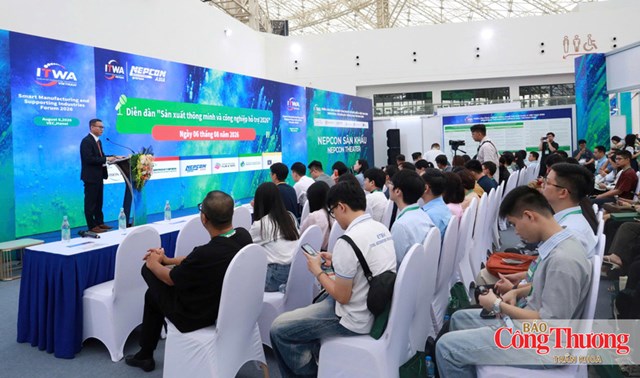
| The forum brought together Government officials, industry representatives, researchers and technology companies to discuss policies and solutions for accelerating industrial modernisation. — Photos congthuong.vn |
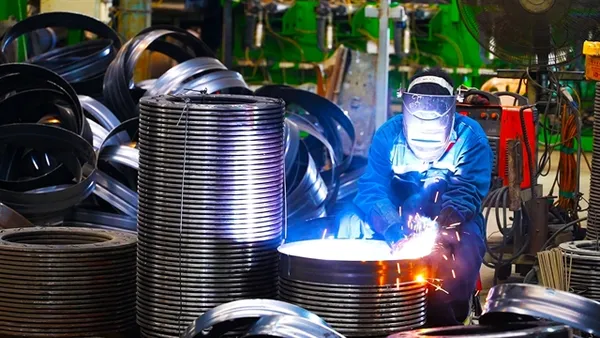
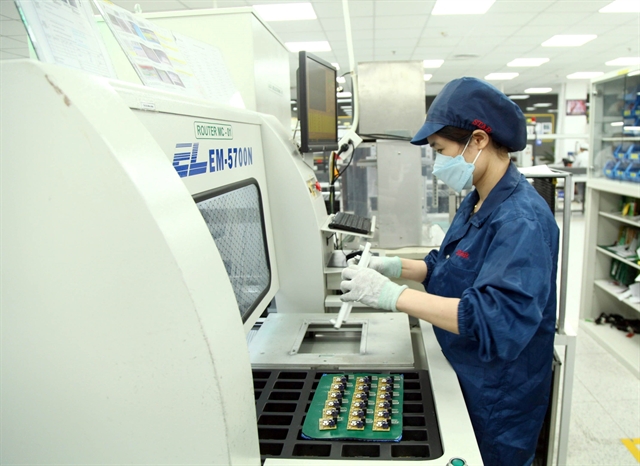
HÀ NỘI — Digital transformation, green manufacturing and automation have become essential for improving the competitiveness of Việt Nam's supporting industries as manufacturers face mounting pressure to raise productivity, reduce costs and integrate into global supply chains, speakers said at an industry forum on Thursday.
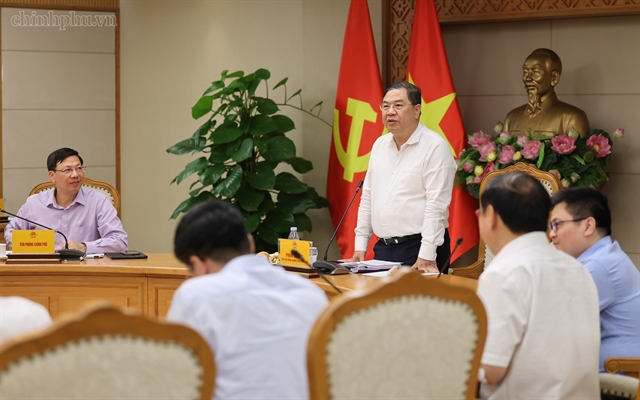
The "Smart Manufacturing and Supporting Industries 2026" Forum, organised by the Vietnam Automation Association (VAA) in Hà Nội, brought together Government officials, industry representatives, researchers and technology companies to discuss policies and solutions for accelerating industrial modernisation.
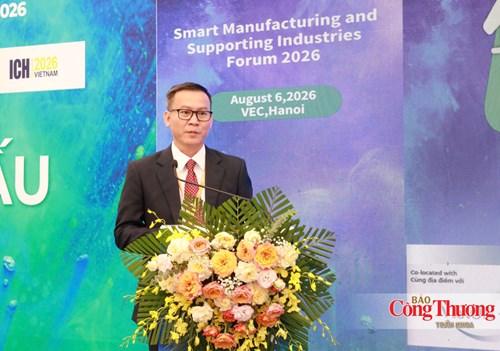
Opening the forum, Đỗ Nguyên Hưng, VAA Secretary General, said manufacturers were facing growing challenges, including improving productivity, maintaining product quality, lowering production costs, adapting to increasingly diverse manufacturing models and meeting sustainability requirements.
Hưng said digital transformation, green transformation and smart manufacturing were no longer optional trends but essential requirements that determine enterprises' competitiveness and sustainable development.
Recent Government policies had created a stronger foundation for industrial modernisation, he said, citing Resolution No 57 on science, technology, innovation and national digital transformation and Resolution No 68 on private sector development.
He said the policies support greater investment in technology, digitalisation, green production and the development of supporting industries, while encouraging closer cooperation between the public and private sectors.
|
| Đỗ Nguyên Hưng, VAA Secretary General delivered his speech at the event. |
According to Hưng, science and technology provided the foundation for industrial development, the State sector played a facilitating role, and private enterprises were expected to drive innovation and implementation.
The Vietnam Automation Association plans to organise one or two industry forums each month to strengthen collaboration among government agencies, businesses, universities and research institutes. The initiative aims to improve links between research, workforce development, technology transfer and the commercialisation of innovations.
Hưng said stronger cooperation across these sectors could help enhance the competitiveness of Vietnamese manufacturers and contribute to the country's goal of achieving sustained high economic growth.
During the event, Nguyễn Thị Lâm Giang, director of the Ministry of Industry and Trade (MoIT)'s Agency for Innovation, Green Transition and Industry Promotion said the MoIT had introduced a range of initiatives on environmental protection, cleaner production, sustainable consumption, energy efficiency and the circular economy.
However, Giang acknowledged that the programmes had been implemented separately across different departments with limited coordination.
In response, the ministry has developed a program to promote smart manufacturing and digital transformation across industries under its management, in line with Resolution No 57 and the Government's broader strategy to modernise manufacturing. The initiative positions smart manufacturing as a means of integrating digital and green transformation while helping companies improve productivity, product quality, market access and competitiveness.
Giang said businesses should be placed at the centre of the transformation process, while the State played a facilitating role through policies, ecosystem development and support tailored to enterprises' needs and digital maturity.
She said the ministry formalised the initiative Decision No 2708/QĐ-BCT, issued in 2025, covering industrial production, energy and trade.
The programme will be implemented in two phases. Through 2030, the ministry plans to establish the foundations for smart manufacturing by training businesses, developing a network of technical advisers and creating standards, performance indicators and reference architectures to support digital transformation. A second phase through 2035 aims to broaden adoption and deepen implementation across industrial sectors.
Giang said the strategy is built around four priorities: strengthening regulatory frameworks and technical standards for smart manufacturing; developing digital skills and leadership capabilities within enterprises; expanding collaboration among businesses, universities, research institutes and technology providers; and building digital infrastructure, data platforms and technology systems to support manufacturing and commercial activities. — VNS
Economy
 Economy
 Economy
 Economy
 Economy
 Economy
 Economy
 Economy
 Economy
 Economy
 Economy
 Economy
 Economy
 Economy
 Economy