 Economy


AITO Looks Ahead to Europe, Building a Thriving Automotive Ecosystem
1.
|
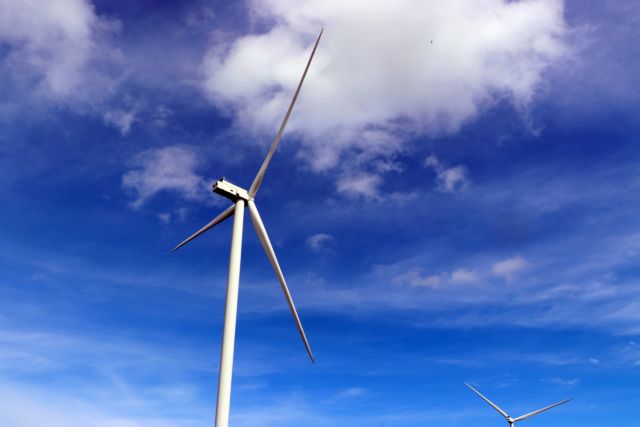
| A wind turbine in Cần Thơ Province. — VNA/VNS Photo Trung Kiên |
HÀ NỘI — Việt Nam should step up efforts to develop a hydrogen energy industry, which could play a critical role in reducing carbon emissions, strengthening energy security and establishing a new clean energy value chain to support the country's target of net zero emissions by 2050.
Speaking at a forum on hydrogen energy in Hà Nội on July 29, industry insiders said Việt Nam has the potential to become a regional centre for clean energy production thanks to its abundant renewable energy resources and favourable geography.
Under the national hydrogen development strategy approved by the Government in February 2024, Việt Nam aims to develop an integrated hydrogen ecosystem spanning production, storage, transportation, distribution and consumption.
The strategy sets a target of producing between 100,000 and 500,000 tonnes of low-emissions hydrogen annually by 2030, with output expected to rise to up to 20 million tonnes by 2050. Hydrogen-based fuels are also projected to account for around 10 per cent of final energy consumption by 2050.
Nguyễn Ngọc Hiếu from the Ministry of Industry and Trade’s Oil, Gas and Coal Department said that the strategy would help create a new energy market while promoting the development of hydrogen value chains and supporting Việt Nam's long-term ambition to become a regional clean energy hub.
According to Phạm Hoàng Lương, deputy president of the Vietnam Clean Energy Association, Việt Nam has significant advantages for developing green hydrogen, given its potential in renewable energy.
The revised 8th national power development plan targets solar power capacity of about 73GW and wind power capacity of roughly 50GW by 2030, creating favourable conditions for green hydrogen production. Lương cited estimates by the World Bank that the country's offshore wind potential could reach 600GW.
He noted that green hydrogen is seen as a crucial solution for cutting emissions in sectors that are hard to electrify, such as steel, cement, chemical manufacturing, heavy transport and power production.
Chairman of the Vietnam Petroleum Association Nguyễn Quốc Thập said natural or white hydrogen could emerge as another promising source of clean energy, alongside green hydrogen produced from renewable electricity.
He said Việt Nam's geological conditions, including deep fault systems, ultramafic rock formations, ancient volcanoes and hot springs, could provide favourable conditions for the formation and accumulation of natural hydrogen deposits.
"Việt Nam possesses significant potential resources that deserve further study, so that the country does not miss opportunities arising from the global energy transition," he said.
However, experts said that Việt Nam's hydrogen industry remains in its early stages due to high production costs, limited infrastructure and an incomplete regulatory framework.
Currently, Việt Nam produces around 500,000 tonnes of hydrogen annually, mainly grey hydrogen derived from natural gas and brown hydrogen produced from coal. Most of the output is used in oil refining and fertiliser manufacturing.
Commercial-scale production of green hydrogen has yet to begin, although several projects are under development in Trà Vinh, Bến Tre, Bạc Liêu and Tiền Giang provinces. Meanwhile, investors are studying opportunities to develop green hydrogen projects in Hà Nội, Lâm Đồng, Tây Ninh, Cà Mau, Ninh Thuận, Quảng Bình, Quảng Trị, Sóc Trăng and HCM City.
The most notable pilot project is the 1MW Edeflow facility in Long An Province, which uses alkaline electrolysis technology under a partnership involving Vietnamese, German and French companies.
To turn this potential into a commercially viable market, it is critical for Việt Nam to accelerate the development of investment mechanisms, technical standards and support measures, Lương said. — VNS
Economy
 Economy
 Economy
 Economy
 Economy
 Economy
 Economy
.jpg) Economy
Economy
 Economy
 Economy
 Economy
 Economy
 Economy
 Economy
 Economy