 Economy


AITO Looks Ahead to Europe, Building a Thriving Automotive Ecosystem
1.
|
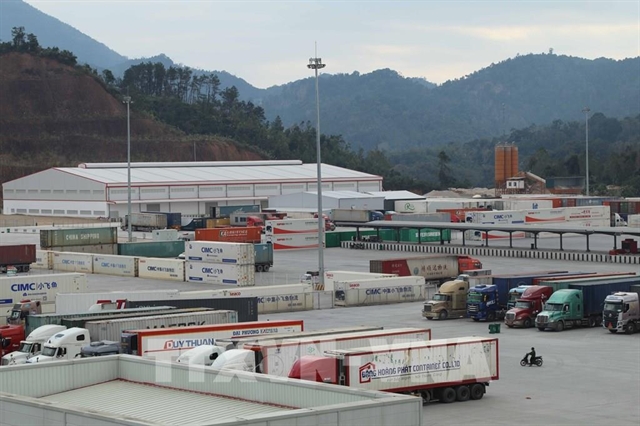
| Viettel Logistics Park in Lạng Sơn Province is equipped with modern, integrated logistics infrastructure. — VNA/VNS Online |
HÀ NỘI — Việt Nam aims to see 80 per cent of agricultural logistics enterprises adopt digital technologies by 2030, under a new Government plan designed to strengthen supply chains, reduce logistics costs and improve the competitiveness of agricultural exports.
The Ministry of Agriculture and Environment has issued a five-year agricultural logistics development plan under Decision 2152/QĐ-BNNMT, identifying modern logistics as a key factor in reducing post-harvest losses, lowering distribution costs and meeting increasingly stringent export requirements on traceability, food safety and product quality.
Under the plan, logistics development to be integrated with raw material production zones and value chains, with businesses and cooperatives taking the lead in service provision while the Government focuses on policy reforms and essential infrastructure.
By 2030, the ministry aims to ensure adequate logistics services for major agricultural production areas, particularly for key export products including rice, coffee, fruit and vegetables, seafood, livestock products, timber, rubber and cashew nuts.
All provinces and centrally run cities are expected to adopt logistics development plans linked to regional logistics centres, seaports, border gates and the national transport network, while major commodity production areas will have access to traceability, quarantine, testing, quality certification, processing and market development services.
Digital transformation will be a central component of the strategy. The ministry plans to promote smart logistics platforms and gradually integrate AI, big data, blockchain, the Internet of Things, e-commerce and digital supply chain technologies into logistics management and product traceability to improve efficiency, reduce costs and shorten delivery times.
The plan also prioritises investment in logistics centres, cold storage facilities, warehouses and transport infrastructure, while encouraging public-private partnerships, international cooperation and workforce training to support the sector's long-term development.
The ministry has instructed its affiliated agencies and provincial authorities to prepare implementation plans, coordinate logistics infrastructure development and attract private investment to achieve the plan's 2030 targets. — VNS
Economy
 Economy
 Economy
 Economy
 Economy
 Economy
 Economy
 Economy
 Economy
 Economy
 Economy
 Economy
 Economy
 Economy
 Economy