 Economy



Vietnamese Prime Minister meets Cambodian National Assembly President
1.
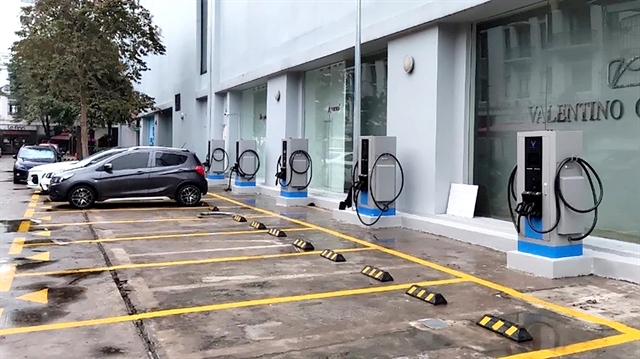 |
| An electric vehicle charging station in Đồng Nai serves growing demand as the city accelerates the transition to green transport and sustainable energy use. — VNA/VNS Photo |
ĐỒNG NAI — Đồng Nai City has set a target of reducing energy consumption per unit of GDP by 1-1.5 per cent annually by 2030 under a newly issued plan aimed at promoting energy efficiency, energy transition and electric transport development.
The target was outlined in Plan No. 34/KH-UBND dated May 19, 2026, on implementing energy saving measures, accelerating energy transition and developing electric vehicles across the city.
The plan aims to minimise risks related to energy supply, reduce production costs, and improve economic efficiency and competitiveness, while contributing to national energy security and sustainable development.
Under the plan, Đồng Nai targets annual electricity savings of at least 3 per cent among major energy consuming facilities and seeks to reduce power losses in transmission and distribution systems to 5.8 per cent by 2030.
The city also aims for 100 per cent of major energy users to conduct periodic energy audits and apply energy management systems.
At least 50 per cent of public transport vehicles in urban areas are expected to switch to electric vehicles by 2030.
To achieve these goals, the municipal administration has instructed agencies and local authorities to clearly define responsibilities in implementing energy saving measures, promoting energy transition and developing electric transport in line with their assigned functions.
Authorities have been urged to intensify energy conservation measures amid fluctuations in the global energy market.
The city is also encouraging the transition to electric vehicles, development of charging infrastructure and wider use of biofuels to reduce dependence on imported petrol and oil.
In addition, Đồng Nai plans to gradually convert public transport and official vehicles to electric power, strengthen fuel saving solutions in transport operations and encourage residents to use public transportation.
The city also requires industries including steel, cement, chemicals, paper and pulp, beer and beverages, plastics, textiles and food processing to step up energy efficiency solutions.
At the same time, Đồng Nai encourages the development and pilot application of hydrogen, ammonia and other low emission fuels in industrial production, energy and transport sectors.
The Department of Industry and Trade has been assigned to closely monitor fuel supply operations, coordinate stable petroleum sources and ensure adequate supply for socio economic development and residents’ daily needs.
Meanwhile, the Department of Construction has been tasked with integrating electric charging station infrastructure into urban planning and construction projects, while encouraging urban developments and parking facilities to include charging systems for electric vehicles.
The department will also coordinate with local authorities to promote electric public transport systems in urban areas to help reduce the use of private vehicles and petrol consumption.
Fuel distributors and petroleum businesses have been instructed to apply technology and optimise logistics systems to reduce energy consumption and emissions, while expanding the distribution of biofuels and low emission fuels.
Manufacturing enterprises are required to formulate and implement electricity saving plans, with specific annual saving targets and measures to achieve at least 3 per cent electricity savings compared to total annual consumption.
Earlier in April, the Đồng Nai People’s Committee also directed relevant agencies to support the supply of fuel and raw materials for the construction of Long Thành International Airport and other key projects in the city.
The Department of Industry and Trade was instructed to ensure stable and uninterrupted fuel supply, especially diesel fuel for contractors working on the airport project and other major infrastructure developments, while preventing supply disruptions or hoarding that could affect construction progress. — VNS
Economy
 Economy
 Economy
 Economy
 Economy
 Economy
 Economy
 Economy
 Economy
 Economy
 Economy
 Economy
 Economy
 Economy
 Economy