 Economy



Kidney transplant succeeds after 1,800km journey across Việt Nam
1.
|
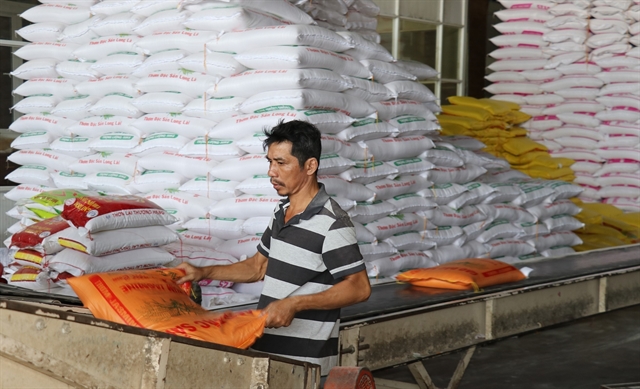
| Rice loaded for export in the southern province of Đồng Tháp. The Philippines is Việt Nam’s largest rice export destination. — VNA/VNS Photo |
HÀ NỘI — Rice exports to the Philippines are coming under renewed pressure as the country moves forward with a preliminary safeguard investigation into imported rice, raising concerns for Vietnamese exporters that rely heavily on the market.
The Ministry of Industry and Trade’s Trade Remedies Authority of Việt Nam said the probe was initiated by the Philippine Department of Agriculture (DA) on March 24, following a petition from domestic producers.
The investigation covers a wide range of rice products under AHTN Chapter 1006, including paddy, husked (brown) rice, semi-milled or wholly milled rice and broken rice. The review period runs from 2020 to August 2025.
Philippine authorities said initial findings point to a “significant and continuous increase” in rice imports, both in absolute terms and relative to domestic output and consumption. Data from the Philippine Statistics Authority and Bureau of Customs, along with other official sources, were cited as the basis for the claim.
Rising imports are believed to have caused, or threatened to cause, serious injury to the domestic rice sector, particularly smallholder farmers. Market share has declined, while import penetration and inventories have increased and farm-gate prices have fallen.
The sector also faces structural challenges, including rising costs, shrinking acreage and a widening gap between farm and retail prices. Cheaper imports have further driven down domestic prices.
Based on preliminary findings, the DA said there was sufficient evidence to launch an investigation. The process will also assess public interest factors under the Philippines’ Safeguard Measures Act, including market conditions and domestic supply.
Stakeholders were invited to submit comments within five working days. While the deadline has passed, Vietnamese authorities said firms may still respond due to delays in accessing information.
Under current procedures, the DA will handle the preliminary phase. If the findings confirm injury, the case will be escalated to the Philippine Tariff Commission for a full investigation. Any safeguard measures imposed could remain in place for up to eight years.
Vietnamese regulators have urged exporters and industry groups to engage in the case, review export data for 2020–25 and prepare supporting documents. Firms are also advised to coordinate with Philippine importers to strengthen submissions and seek termination of the case.
This is the second safeguard case on rice imports in the Philippines. In the previous case, close coordination between Vietnamese firms, associations and authorities led to an early conclusion, suggesting a similar outcome is possible.
The Philippines is Việt Nam’s largest rice export market. Shipments reached about 2.8 million tonnes in 2025. In the first two months of 2026, Vietnamese rice accounted for around 87 per cent of the country’s total imports. — VNS
Economy
 Economy
 Economy
 Economy
 Economy
 Economy
 Economy
 Economy
 Economy
 Economy
 Economy
 Economy
 Economy
 Economy
 Economy


.jpg)



