 Economy



84 individuals investigated for transnational online frauds
1.

|
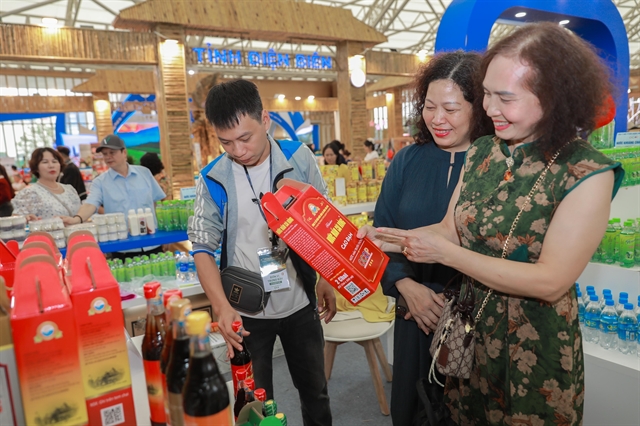
| The first Glorious Spring Fair 2026 aims to stimulate consumption and develop the domestic market during the peak Tết shopping season. — Photo courtesy of Ministry of Industry and Trade |
HÀ NỘI — The Spring Fair 2026 will take place from February 2 to 13 at the Vietnam Exposition Centre in Đông Anh Commune, Hà Nội, marking one of the largest domestic trade and cultural events at the start of the year.
The fair will cover nearly 145,000sq.m, including about 100,000sq.m of indoor exhibition space and more than 45,000sq.m outdoors. A total of 10 exhibition halls, each roughly 10,000sq.m in size, will host an estimated 3,000 standard booths.
Outdoor areas will be reserved for cultural performances, food courts and interactive activities, creating a comprehensive experience for visitors during the Tết (Lunar New Year) season.
The Ministry of Culture, Sports and Tourism said the fair is designed not only as a shopping destination, but also as a platform to connect economic activity with cultural values.
Shaped by two main exhibition and experience areas, the event includes an indoor space and an outdoor space, designed to highlight both cultural richness and public engagement.
The indoor area will offer a vivid portrayal of traditional Vietnamese Tết through a diverse range of products and activities such as performing arts, music, fashion, handicrafts, cinema, cuisine and folk games. In addition to celebrating cultural heritage, the space aims to support the development and commercialisation of products from Việt Nam’s cultural industries, helping connect creative sectors with market demand.
Meanwhile, the outdoor area will place an emphasis on culinary experiences and community interaction. Visitors will have the opportunity to enjoy traditional spring dishes, socialise and take part in festive activities, contributing to a lively Tết atmosphere and complementing the indoor exhibitions.
At a press briefing on Thursday, Hoàng Minh Chiến, deputy director general of the Vietnam Trade Promotion Agency under the Ministry of Industry and Trade, said the Government has assigned the ministry to lead the organisation of the Spring Fair 2026 as part of efforts to stimulate domestic consumption and support the internal market.
According to Chiến, demand-stimulation programmes at the fair will be implemented in a focused and coordinated manner, with close attention paid to product quality and traceability. The ministry will work with market surveillance forces, the Hà Nội People’s Committee and relevant agencies to strengthen inspection and supervision, ensuring that goods sold at the fair meet quality standards and have clear origins.
One of the fair’s key objectives is to shorten supply chains by directly connecting manufacturers and distributors with consumers. By reducing intermediary stages, participating businesses are expected to cut operating and consignment costs by around 15-20 per cent, creating benefits for both enterprises and shoppers.
Building on the positive results of the first Autumn Fair in 2025, which generated revenue of more than VNĐ1 trillion (US$38.6 million) and attracted strong participation from domestic and foreign companies, the Spring Fair 2026 is expected to record even higher transaction value. With consumer demand typically rising during the Tết period, total sales at the event are projected to exceed the VNĐ1 trillion mark.
Beyond economic outcomes, the Spring Fair 2026 is positioned as a tool to promote Vietnamese goods, reinforcing consumer confidence in domestically manufactured products.
Organisers stress that the fair seeks to balance trade promotion with cultural preservation, helping to develop the domestic market in a sustainable way from the outset of 2026. — VNS
Economy
 Economy
 Economy
 Economy
 Economy
 Economy
 Economy
 Economy
 Economy
 Economy
 Economy
 Economy
 Economy
 Economy
 Economy