 World
World
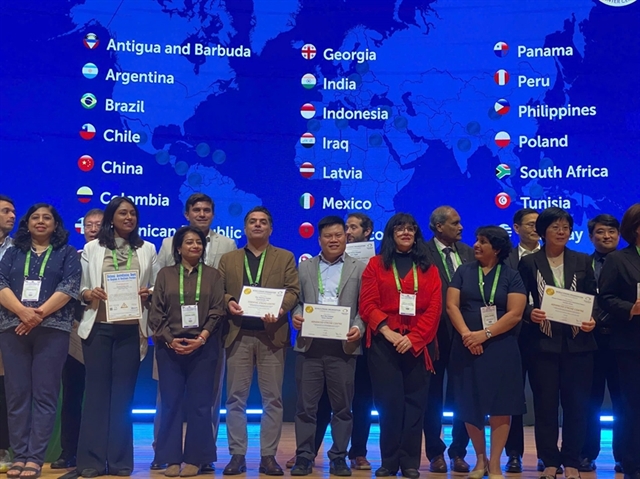
Bach Mai Hospital becomes Việt Nam’s first to win top WSO stroke certification
1.
 |
| (From left) Malaysia’s Prime Minister Anwar Ibrahim, Cambodia’s Prime Minister Hun Manet, Thailand’s Prime Minister Anutin Charnvirakul and US President Donald Trump during the ceremonial signing of a ceasefire agreement on Sunday. VNA/REUTERS Photo |
BANGKOK/KUALA LUMPUR – Feuding Southeast Asian neighbours Cambodia and Thailand have signed a joint declaration committing to peace at the 47th ASEAN Summit in Kuala Lumpur.
Watched on by US President Donald Trump, the signing of the declaration by Cambodian Prime Minister Hun Manet and his Thai counterpart Anutin Charnvirakul took place on the first day of the summit on Sunday.
Both sides had previously agreed on the removal of heavy weapons from their shared border, de-mining operations, efforts to deal with scam syndicates as well as to conduct a joint survey of the border.
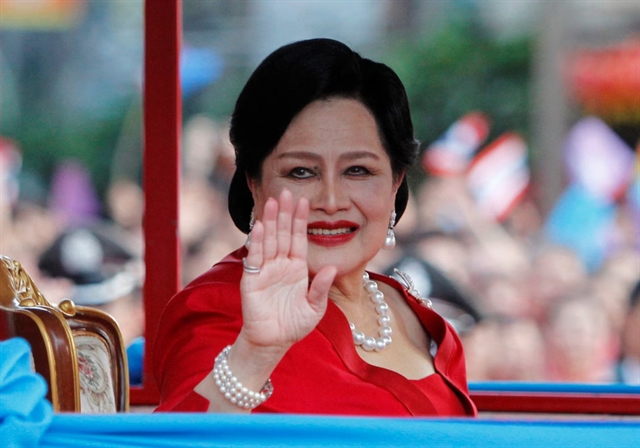
The signing ceremony, also witnessed by Malaysian Prime Minister Anwar Ibrahim as ASEAN chair, had been brought forward by a few hours on the day to accommodate Thai Prime Minister Anutin’s truncated schedule in Kuala Lumpur following the death of Thailand’s Queen Mother Sirikit on Friday.
Said Trump before the signing: “Now these gentlemen are about to sign what we’re calling the Kuala Lumpur Peace Accords, good name. Both countries are agreeing to cease all hostilities and work to build good, neighbourly relationships, which have already started.”
He added that 18 Cambodian prisoners of war would be released, with observers from ASEAN countries, including Malaysia, to be deployed to ensure that peace between Cambodia and Thailand prevails.
“The three men sitting there should really be given credit,” said Trump, referring to Anwar, Anutin and Hun Manet, “having done just an incredible job for humanity.”
Tensions over a disputed border area between Cambodia and Thailand erupted into military clashes earlier this year, resulting in the worst flare-up in the region in over a decade, claiming at least 43 lives and displacing more than 300,000 people from both sides of the border. An unconditional ceasefire was reached on July 28 after diplomatic intervention from Malaysia and following threats from Trump to block tariff negotiations unless fighting stopped.
At the ceremony, Hun Manet said the signing marked a historic and profound moment for the two countries that reaffirmed “our shared conviction that peace is always possible when nations have the courage and wisdom to pursue it together”, while expressing gratitude to Trump for his decisive and steadfast actions.
“As we speak, I think our two commanders are discussing on the possibility of the start of withdrawal, partial withdrawal, of the first phase of heavy weapons,” he said.
Anutin concurred that both sides had agreed to promptly remove heavy weapons from the border area to build confidence and trust and that Thailand would also begin the process of releasing the 18 detained Cambodian soldiers.
“We have come a long way since agreeing to the cease fire here in Malaysia on 28th of July, the discussions since then have led to this important outcome,” Anutin said. “I believe we can achieve what seemed beyond reach a few months ago.”
Anutin had cancelled most of his other commitments surrounding the ASEAN summit in Kuala Lumpur and was scheduled to depart shortly after the ceasefire signing ceremony on Sunday afternoon to attend a royal procession for Queen Sirikit in Bangkok.
There were questions over the substance and semantics of the joint declaration in the leadup to the signing, including whether it represents substantial progress beyond a reiteration of what had been previously agreed, and if it amounted to a peace accord.
Thailand’s foreign ministry said on Saturday that the joint declaration between the two countries did not amount to a peace deal but rather signalled a mutual intention toward normalising relations. It stressed that there remained numerous issues to work out including the withdrawal of heavy weapons, the clearance of landmines and dealing with cybercrime and scam centre operations. THE STRAITS TIMES/ANN
World
 World
World
 World
World
 World
World
 World
World
 World
World
 World
World
.jpg) World
World
.jpg) World
World
 World
World
 World
World
 World
World
 World
World
 World
World
 World
World