 Society

Phú Quý promotes green tourism
1.
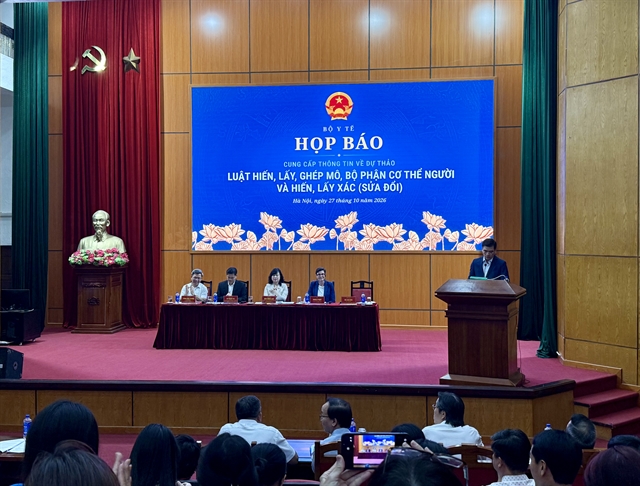 |
| Representatives of the Ministry of Health and the World Health Organisation in Việt Nam attend the press conference on October 27. — VNS Photo Thanh Hải |
HÀ NỘI — The Ministry of Health organised a press conference in Hà Nội on Tuesday to provide information regarding the draft Law on the Donation, Procurement, and Transplantation of Human Tissues and Organs, and the Donation and Procurement of Human Cadavers (amended).
The press conference was held at a time when regulations regarding organ donation and transplantation for individuals under 18, along with a proposal to seek input from children as young as seven on the matter of organ donation, are sparking significant public debate.
Significant need for organ transplants among children
At the event, Permanent Deputy Minister of Health Vũ Mạnh Hà said that the 2006 law established a vital legal framework for organ transplantation activities in Việt Nam.
From the first organ transplant in 1992 through March 2026, a total of 11,187 transplants have been performed nationwide, saving lives and improving the quality of life for many patients, including children, according to statistics from the health ministry.
"However, after 20 years of implementation, the law has revealed certain limitations, failing to fully meet treatment needs and the advancements in medical science," Hà stated.
The Deputy Minister of Health noted that current legislation does not permit individuals under the age of 18 to register as donors of human tissues or organs, nor does it provide an appropriate mechanism for certain cases involving the donation of regenerative tissues.
“The amended law aims to address the limitations and obstacles encountered during the implementation of the 2006 law, while simultaneously refining the legal framework for the donation, procurement, and transplantation of human tissues and organs to meet the public's growing need for medical treatment,” said Hà.
According to the Ministry of Health, there remains a significant demand for organ transplants among children. It is estimated that this patient group requires approximately 55 liver transplants and 60 kidney transplants annually. The cumulative waiting list for paediatric liver transplants has reached about 200 children. Similarly, the demand for hematopoietic stem cell transplants far exceeds current capacity.
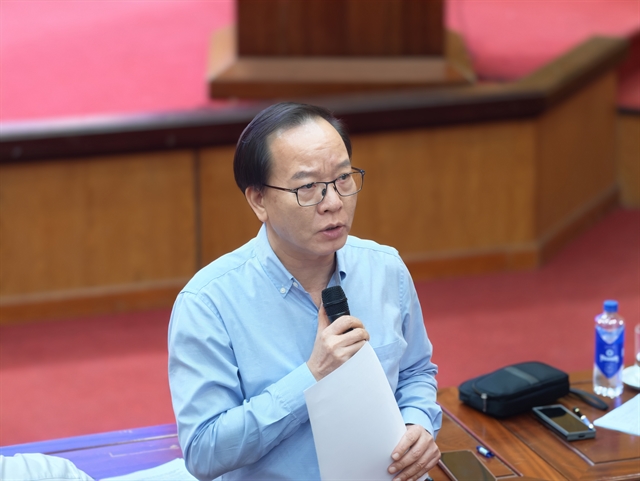 |
| Associate Professor Trần Minh Điển, Director of the Vietnam National Children’s Hospital, speaks at the event. — VNS Photo Thanh Hải |
Regarding hematopoietic stem cell transplantation, Associate Professor Trần Minh Điển, Director of the Vietnam National Children’s Hospital, stated that current capacity meets only about 30 per cent of the demand. One of the reasons cited by the Ministry of Health is that existing legislation does not permit individuals under the age of 18 to donate tissue– a provision that is currently being considered for inclusion in the draft law.
In reality, according to experts, finding suitable organs for children is no simple task. Transplanting organs from adults into children can present significant challenges due to discrepancies in the size of organs and blood vessels, anatomical differences, and issues regarding biological compatibility.
For conditions such as acute leukaemia, bone marrow failure, thalassemia and congenital immunodeficiency disorders, a hematopoietic stem cell transplant can be a life-altering, decisive treatment.
"Hematopoietic stem cells can be collected from bone marrow, peripheral blood, or umbilical cord blood. For paediatric patients, bone marrow is the preferred source. Once these stem cells are harvested, the donor's body continues to produce them," said Prof. Điển.
In light of this, the draft law proposes expanding the circumstances under which tissue donation is permitted, thereby creating more treatment opportunities for patients—while ensuring that the protection of donors, especially children, remains the top priority.
Prohibiting the removal of body parts from a living, underaged person
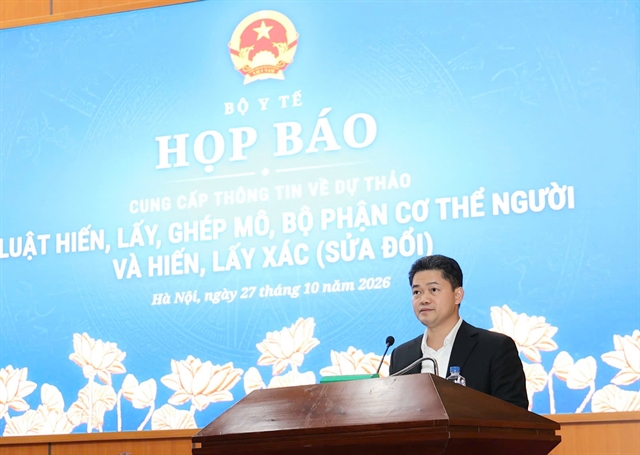 |
| Permanent Deputy Minister of Health Vũ Mạnh Hà speaks at the press conference. — VNS Photo Thanh Hải |
One of the aspects of the draft that has drawn public attention is the provision regarding the donation and harvesting of human tissues and body parts from individuals under the age of 18.
Drawing on guidelines from the World Health Organisation and international best practices, the draft law prohibits the removal of body parts from living individuals under 18, with the sole exception of allowing the donation of regenerative tissues, such as hematopoietic stem cells, under strictly limited circumstances.
Regarding the donation of tissues by living individuals under the age of 18, the Ministry of Health clarifies that the draft law restricts this group to donating only regenerative tissues (such as hematopoietic stem cells) for the treatment of a relative, and only in cases where no suitable adult donor is available.
"Individuals aged 15 to under 18 may donate to a family member, while those under 15 may only donate to their parents or biological siblings," said Hà.
Furthermore, such donations are subject to specific requirements: the child must be in good health, receive independent counselling, and provide their own consent, alongside the consent of their parents or legal guardian.
"The Ministry of Health will continue to study and propose narrowing the scope of organ/tissue donation to include only biological siblings," Hà stated.
Furthermore, individuals under the age of 18 will receive independent counselling, following a procedure established by the Ministry of Health, to ensure they are fully informed and that their decision to donate is voluntary and free from any coercion. Any objection or refusal expressed by the child at any point must be respected and documented.
Regarding the donation of tissues and organs after death, the draft law stipulates that tissues or body parts may only be procured from individuals under the age of 18 following their death – provided that brain death or circulatory death has been confirmed by a professional council, the individual had registered or expressed a wish to donate before death, and consent has been granted by their parents or legal guardian.
“Registering an intention to donate does not automatically mean that the registrant is eligible to do so. Specific eligibility criteria must still be assessed at the time of organ or tissue procurement. The development of these regulations should draw upon international experience while carefully evaluating their suitability for the practical conditions in Việt Nam, ensuring that necessary protective mechanisms are in place, according to Hà.
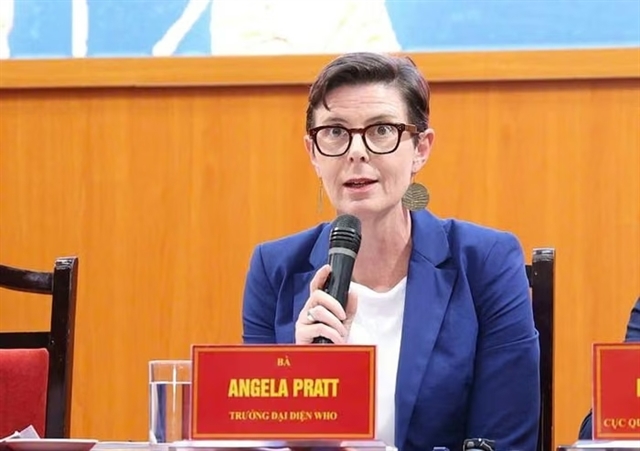 |
| Dr Angela Pratt, Representative of the World Health Organisation (WHO) in Việt Nam, speaks at the event. — Photo Trần Minh |
Speaking at the event, Dr Angela Pratt, Representative of the World Health Organisation (WHO) in Việt Nam, praised Việt Nam’s efforts to amend its laws on tissue and organ donation to align with international standards.
“WHO supports enabling life-saving donation and transplantation, including appropriate donation involving children, provided the best interests of the child are paramount and there are very robust safeguards in place for consent, voluntariness, independent ethical oversight, protection from coercion and exploitation, and quality and safety,” Dr Pratt said.
Dr Pratt stressed that the protection of donors, particularly the rights and safety of children, must always remain a top priority in all medical activities.
Drawing on international practices, such as those in Australia, she affirmed that organ donation by children following their death is ethically acceptable, provided that the child's best interests remain the primary consideration within a transparent and robust legal framework.
The WHO representative suggested that Việt Nam continue to refine its legal protections to prevent all forms of coercion or the commercialisation of human organs. — VNS
Society
 Society
 Society
 Society
 Society
 Society
 Society
 Society
 Society
 Society
 Society
 Society
 Society
 Society
 Society