 Society
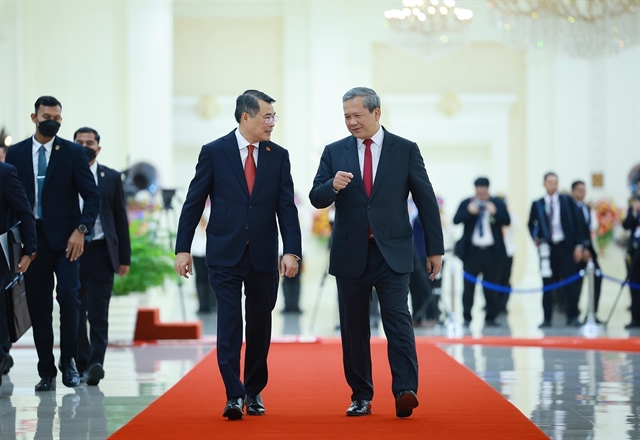
Cambodian PM Hun Manet chairs welcome ceremony for Vietnamese counterpart Lê Minh Hưng in Phnom Penh
1.
As millions return annually to the ancestral land, Phú Thọ is repositioning heritage as a driver of sustainable tourism, balancing preservation with innovation. Việt Nam News reporter Bùi Quỳnh Hoa speaks with Dương Hoàng Hương, director of the provincial Department of Culture, Sports and Tourism, on turning cultural roots into viable tourism pathways
|
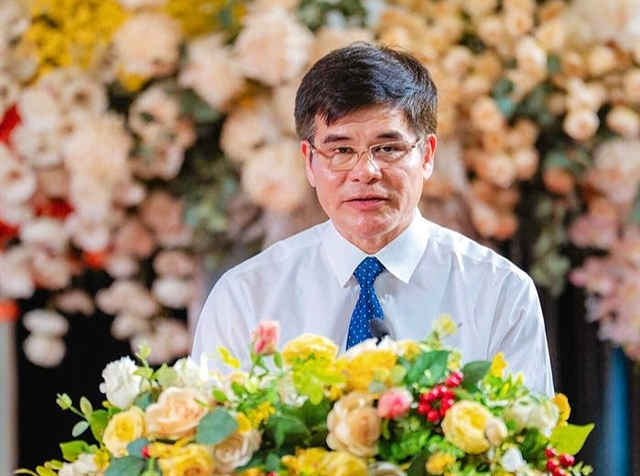
| Dương Hoàng Hương, director of the provincial Department of Culture, Sports and Tourism, highlights heritage as a driver of sustainable tourism in Phú Thọ. —— Photo courtesy of Phú Thọ Department of Culture, Sports and Tourism |
How does Phú Thọ view the role of heritage, particularly UNESCO-recognised elements, in tourism development today?
In line with Resolution 80 issued by the Communist Party of Vietnam, Phú Thọ Province identifies heritage not only as something to preserve but as a vital internal resource for sustainable tourism development. Elements such as the Worship of Hùng Kings and xoan singing form both the province’s cultural identity and the foundation for distinctive tourism products.
With an expanded cultural landscape, Phú Thọ (which last year merged with the neighbouring provinces of Hòa Bình and Vĩnh Phúc) now offers a rich, multi-layered heritage system. From the Hùng Kings Temple Relic Site at the heart of the ancestral land to prehistoric traces of Hòa Bình culture and vibrant ethnic traditions, the province brings together diverse cultural values within a unified identity.
What matters is that these values are no longer static. Heritage is being activated through tourism. Visitors can experience xoan singing in its original village spaces, take part in revived traditional festivals and follow interconnected journeys linking spiritual, cultural and ecological sites.
As travellers increasingly seek authenticity and cultural depth, this living heritage becomes the foundation for Phú Thọ to develop a distinctive and sustainable tourism model, serving as both a preserved value and a form of soft power shaping the province’s identity.
How is the Hùng Kings Temple Festival being developed into a tourism product rather than remaining purely a spiritual event?
We approach tourism development with the principle of quality services, distinctive products and sustainability while ensuring that cultural values are not commercialised.
The Hùng Kings Temple Festival is being redefined as a comprehensive cultural experience. Visitors are not only participating in rituals but are immersed in the broader cultural space of the Hùng Kings era.
A wide range of activities has been developed, including xoan singing performances in ancient villages, traditional contests such as making bánh chưng and bánh giầy, cultural camps, art programmes, fairs and night tours at the Hùng Kings Temple Complex.
In 2026, these activities will be integrated into the Ancestor Land Culture and Tourism Week, alongside tourism promotion campaigns and curated travel routes connecting festival sites with destinations in Việt Trì City. This helps extend visitor stays and deepen their engagement with heritage.
The festival is gradually evolving from a pilgrimage site into a cultural hub where visitors can experience history, folk arts, cuisine and community life.
|
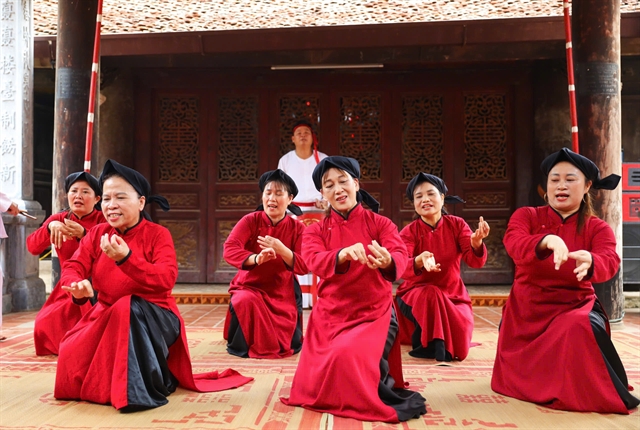
| Artists perform xoan singing, a UNESCO-recognised tradition reflecting Phú Thọ’s cultural identity. — VNS Photo Đoàn Tùng |
What concrete steps has the province taken to turn heritage into tangible tourism experiences?
Our focus is to make heritage accessible through experiences, journeys and products.
At the Hùng Kings Temple, beyond traditional rituals, we have introduced new offerings such as the night tour "Sacred Hùng Kings Temple – Returning to the Roots", along with cultural events, fairs and tourism stimulus programmes.
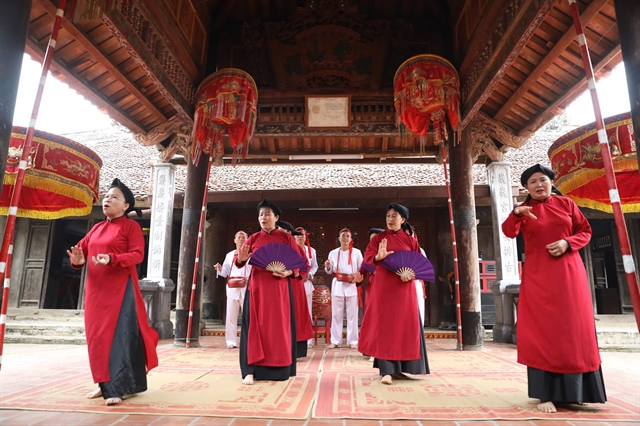
Xoan singing is a clear example of successful transformation. It is no longer limited to preservation but has become a signature tourism experience. Performances are held regularly in original xoan villages, communal houses and shrines.
Visitors can join xoan village tours, interact with singers, learn about rituals and even try singing themselves. This allows them to fully experience what we call a living heritage.
Today, xoan singing is integrated into many tourism programmes, combined with visits to the Hùng Kings Temple, community tourism and local cuisine. Its recognition by UNESCO and its subsequent removal from the urgent safeguarding list demonstrate its vitality in contemporary life.
What role does the Hùng Kings Temple Festival play in boosting tourism?
The festival, held annually from the first to the tenth day of the third lunar month, is one of Việt Nam’s largest cultural-spiritual events. It connects Vietnamese people everywhere to their roots, creating a powerful and lasting attraction.
This sacred significance has helped position Phú Thọ as the ancestral land on the national tourism map. At the same time, the festival acts as a catalyst for tourism, services and trade.
From this focal point, the province expands into a wider system of tourism products, including heritage tours, community-based experiences, xoan singing, cuisine, folk festivals and night-time activities. This diversification helps extend visitor stays and increase tourism revenue.
In 2025, Phú Thọ welcomed around 5.5 million visitors during the festival period alone, highlighting its central role in driving tourism growth and local economic development.
The festival is not only a cultural highlight but also a strategic lever for sustainable tourism.
|
| 'Xoan' singers perform at Hùng Lô communal house, where the centuries-old art remains a living heritage. — VNS Photo Đoàn Tùng |
How has the festival helped position Phú Thọ on the tourism map, both nationally and internationally?
The Hùng Kings Temple Festival defines Phú Thọ as the cradle of the Vietnamese nation, a destination with a unique identity rooted in history and collective memory.
At the national level, it reinforces the concept of returning to the roots, deeply embedded in Vietnamese culture. This gives Phú Thọ a distinctive position compared with destinations focused on nature or leisure.
Internationally, UNESCO recognition of the Worship of Hùng Kings and xoan singing provides a shared cultural language for global audiences. These recognitions enhance both visibility and credibility.
Through increasingly professional organisation and expanded cultural tourism events, Phú Thọ is gradually bringing its image to a wider international audience, attracting visitors, media and cultural organisations.
The festival serves as the core brand anchoring Phú Thọ’s identity as a culturally rich and distinctive destination.
What are the province’s priorities for developing heritage-based tourism in the future?
Phú Thọ will continue to focus on high-quality, sustainable tourism products with strong cultural identity and added value.
Cultural and historical roots tourism will remain the cornerstone, centred on key heritage assets such as the Hùng Kings Temple, UNESCO-recognised traditions, ethnic cultures, festivals and traditional crafts.
The province is planning flagship products, including a large-scale real-scene performance at the Hùng Kings Temple and thematic spiritual tourism routes linking Phú Thọ with surrounding regions.
At the same time, efforts will focus on improving service quality, accelerating digital transformation in tourism promotion, strengthening partnerships with travel businesses and developing year-round products to reduce seasonality.
In line with national cultural development strategies, these efforts aim to ensure that heritage is not only preserved but becomes a dynamic resource, enhancing both its competitiveness and sustainability. VNS
Society
 Society
 Society
 Society
 Society
 Society
 Society
 Society
 Society
 Society
 Society
 Society
 Society
 Society
 Society