 Society

Lacquer painting exhibition brings 62 works to HCM City
1.
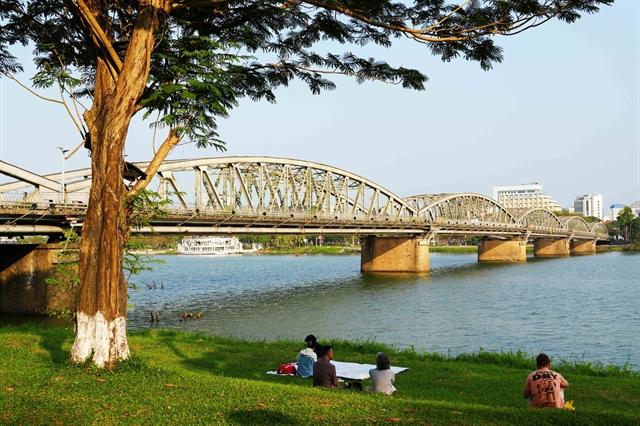 |
| Central Huế City, one of Việt Nam's six centrally-run cities. — VNA/VNS Photo |
HÀ NỘI — Việt Nam aims to develop at least five cities of international standing by 2045, as part of efforts to advance its urban system to a higher regional and global level.
Under Resolution No. 80/NQ-CP dated April 2, 2026, the Government has updated its action programme to implement the Party’s Resolution No. 06-NQ/TW on planning, construction, management and sustainable urban development through 2030, with a vision to 2045.
According to the programme, Việt Nam targets a nationwide urbanisation rate of over 50 per cent by 2030.
By 2030, urban construction land is expected to account for 1.9 to 2.3 per cent and the number of urban areas projected to reach 1,000.
Several national and regional urban centres are expected to meet key standards comparable to the average levels of cities in the top four ASEAN countries.
Urban transport land is projected to account for 16 to 26 per cent, average green space per capita is expected to reach 8 to 10sq.m and Aaverage housing floor area per capita in urban areas is targeted at minimum 32sq.m by 2030.
The urban economy is projected to contribute about 85 per cent and the digital economy is expected to account for 35 to 40 per cent by 2030.
Việt Nam also aims to develop a network of smart cities at national and regional levels with international connectivity and to have three to five cities recognised at regional and international levels.
Vision to 2045
By 2045, Việt Nam’s urbanisation rate is expected to reach an upper-middle level in ASEAN and Asia.
The urban system will be interconnected, balanced across regions, and resilient to climate change, natural disasters and epidemics, while featuring green, modern, smart and culturally distinctive architecture.
At least five cities are expected to reach international standards, serving as key hubs connecting Việt Nam with regional and global urban networks.
The urban economic structure will shift toward modern models, with green and digital sectors playing a dominant role.
To achieve these goals, ministries, agencies and local authorities are tasked with implementing key measures, including improving planning quality, developing synchronised infrastructure, enhancing governance capacity.
They have been also asked to make comprehensive investment in urban infrastructure to make it modern, connected and adapt to climate change.
They have also been instructed to develop human resources for urban development, and adjust urban lighting orientation through 2030. —VNS
Society
 Society
 Society
 Society
 Society
 Society
 Society
 Society
 Society
 Society
 Society
 Society
 Society
 Society
 Society