 Politics & Law
Cổ Thạch Hill and its ancient seaside stone path
1.
|
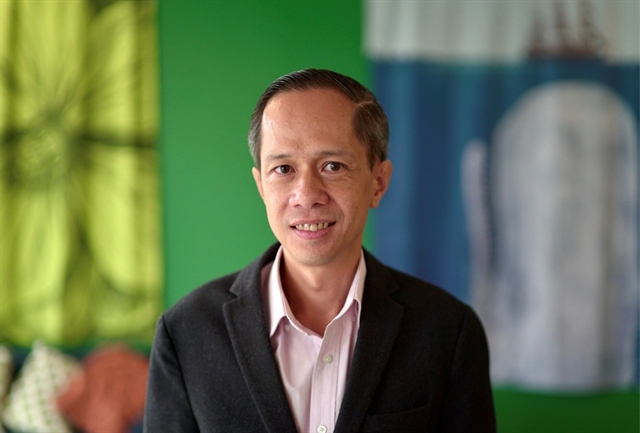
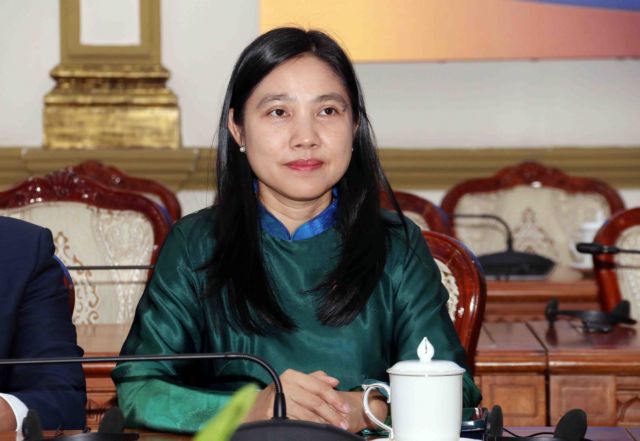
| Hà Thanh, President of the HCM City Union of Friendship Organisations and Chairwoman of the Advisory Council on International Integration, People-to-People Diplomacy and Overseas Vietnamese Affairs under the Việt Nam Fatherland Front Committee of HCM City. VNA/VNS Photo |
HCM CITY — Việt Nam is seeking to turn the knowledge, expertise and international networks of overseas Vietnamese into a strategic force for national development under a new resolution that marks a significant shift in the country’s approach to its diaspora.
Resolution 23-NQ/TW, issued by the Politburo on August 2, moves beyond maintaining connections with overseas Vietnamese and safeguarding their legitimate rights and interests. It calls for practical mechanisms that enable them to contribute more directly to innovation, science and technology, investment and the country’s international integration.
Hà Thanh, President of the HCM City Union of Friendship Organisations, said the resolution builds on the principles of Resolution 36-NQ/TW, issued in 2004, which affirmed that overseas Vietnamese are an inseparable part of the nation and an important bridge between Việt Nam and the world.
Thanh is also Chairwoman of the Advisory Council on International Integration, People-to-People Diplomacy and Overseas Vietnamese Affairs under the Việt Nam Fatherland Front Committee of HCM City.
She said the most important development in Resolution 23 is its recognition of overseas Vietnamese as a strategic resource capable of participating more deeply in the country’s development and integration.
The resolution reflects a shift from primarily caring for and maintaining ties with overseas Vietnamese towards accompanying them, creating effective mechanisms for their participation and mobilising their diverse resources.
Under this approach, Việt Nam will continue protecting the legitimate rights and interests of overseas Vietnamese and strengthening national solidarity. At the same time, it will create more opportunities for overseas Vietnamese experts, intellectuals, scientists, businesspeople, artists and younger generations to make meaningful contributions to the country.
Resolution 23 identifies new areas in which their knowledge and experience can be particularly valuable, including innovation, digital transformation, semiconductors, artificial intelligence and biotechnology.
It also seeks to strengthen their role in preserving the Vietnamese language, promoting Vietnamese culture, communicating Việt Nam’s story internationally and enhancing the country’s soft power.
From potential to practical partnerships
Thanh said the resolution holds particular strategic importance for HCM City, which is deeply integrated into the global economy and is prioritising science and technology, innovation, finance, high-quality services and digital transformation.
The challenge now is to translate the considerable potential of overseas Vietnamese into concrete partnerships that serve the city’s development needs, she said.
Overseas Vietnamese can contribute by providing expert advice, transferring knowledge and technology, connecting businesses and investors, opening access to new markets and promoting the city internationally.
Thanh said HCM City should continue moving away from connections built around individual events and towards sustained cooperation based on specific needs, priority sectors and measurable results.
As Resolution 23 defines overseas Vietnamese affairs as a responsibility of the entire political system, the HCM City Union of Friendship Organisations will use people-to-people diplomacy to strengthen personal connections, build trust, promote national solidarity and expand the city’s international networks through overseas Vietnamese communities.
The union will deepen its engagement with overseas Vietnamese associations, intellectuals, experts, businesspeople and younger generations. It will also place greater emphasis on listening to their aspirations, maintaining regular dialogue, gathering their ideas and creating opportunities for them to participate in cultural, educational and people-to-people exchange programmes.
Recent initiatives, including the inauguration of “Friendship Gardens” and the “Friendship Spring Tour”, have helped involve overseas Vietnamese more closely in the city’s people-to-people diplomacy, according to Thanh.
The union will also align its engagement with overseas Vietnamese more closely with HCM City’s specific development priorities.
It plans to work with government agencies, research institutes, universities and business associations to connect overseas Vietnamese expertise and resources with projects in science and technology, artificial intelligence, innovation, finance, healthcare, education, trade and investment.
The aim is to produce concrete projects and outcomes rather than allowing cooperation to end with meetings and discussions.
Overseas Vietnamese, particularly younger generations, will also be encouraged to serve as cultural and friendship ambassadors by preserving the Vietnamese language, sharing the country’s cultural identity and promoting the image of a civilised, modern, compassionate, dynamic and creative HCM City.
Thanh said the community’s potential could be more fully realised when overseas Vietnamese are genuinely heard, given favourable conditions and provided with practical channels through which to contribute.
Their participation would not only support the city’s development but also help strengthen friendship and understanding between Việt Nam and people around the world, she added.
An ecosystem for overseas Vietnamese contributions
Sharing this view, lawyer Lâm Quang Quý, Director of the HCM City Overseas Vietnamese Support Centre, said Resolution 23 marks a new stage in both the thinking behind and implementation of overseas Vietnamese affairs.
The centre operates under the HCM City Association for Liaison with Overseas Vietnamese.
Quý said the resolution not only reaffirms the position of overseas Vietnamese as an inseparable part of the nation, but also calls for a fundamental change in the way their resources are mobilised.
|
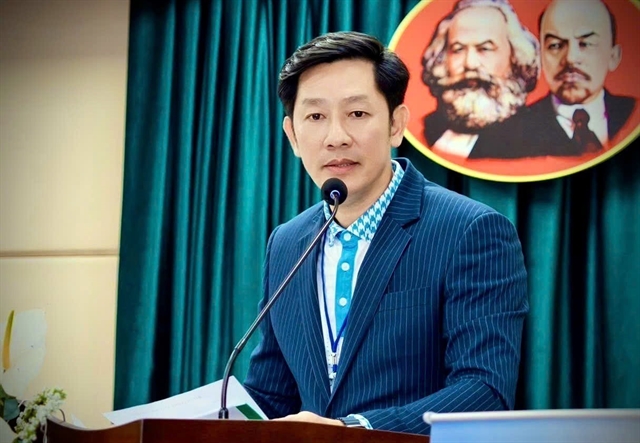
| Lawyer Lâm Quang Quý, Director of the HCM City Overseas Vietnamese Support Centre under the city’s Association for Liaison with Overseas Vietnamese. |
HCM City has stronger connections with overseas Vietnamese than any other locality in the country. Its global community includes many experts, intellectuals and businesspeople with extensive international networks.
Their value should not be measured only in terms of financial investment, Quý said. More importantly, they can contribute knowledge, technology, innovative ideas, management experience, highly skilled human resources and access to global networks.
By establishing a transparent and supportive environment, together with effective mechanisms for cooperation, HCM City can turn this potential into a tangible development resource.
This would help put Resolution 23 into practice while creating further momentum for the city’s rapid and sustainable development.
Discussing how to implement the resolution’s shift from “mobilising, bringing together and caring for” overseas Vietnamese towards “accompanying them and creating enabling mechanisms”, Quý said the city must go beyond simply inviting the community to contribute.
Instead, HCM City should actively create opportunities for overseas Vietnamese to work with the city in addressing specific development challenges.
As a first step, it should establish sector-specific networks and databases of overseas Vietnamese experts, intellectuals and businesspeople. At the same time, the city must clearly identify the projects and challenges for which it needs additional knowledge, experience and resources.
“The important thing is to change our approach,” Quý said.
“Rather than simply encouraging overseas Vietnamese to look towards the city, we should enable them to work alongside the city in shaping its future.”
Their contribution would then extend far beyond capital to encompass knowledge, technology, management expertise, international networks and the ability to connect Việt Nam more closely with the world.
The HCM City Overseas Vietnamese Support Centre will continue to serve as a bridge between the city and overseas Vietnamese communities.
It will seek to understand their needs, aspirations and initiatives, while connecting overseas Vietnamese experts, intellectuals and businesspeople with government agencies, companies, universities, research institutes and the city’s development programmes.
“This will gradually create an ecosystem in which the contributions of overseas Vietnamese are translated into specific programmes, projects and measurable results,” Quý said.
“It will help turn Resolution 23’s commitment to accompanying overseas Vietnamese and creating enabling mechanisms into practical action in HCM City.” VNS
Politics & Law
 Politics & Law
 Politics & Law
 Politics & Law
 Politics & Law
 Politics & Law
 Politics & Law
 Politics & Law
 Politics & Law
 Politics & Law
 Politics & Law
 Politics & Law
 Politics & Law
 Politics & Law
 Politics & Law