 Politics & Law
Authorities urge swift delivery of resettlement sites for North–South high-speed rail
1.
|
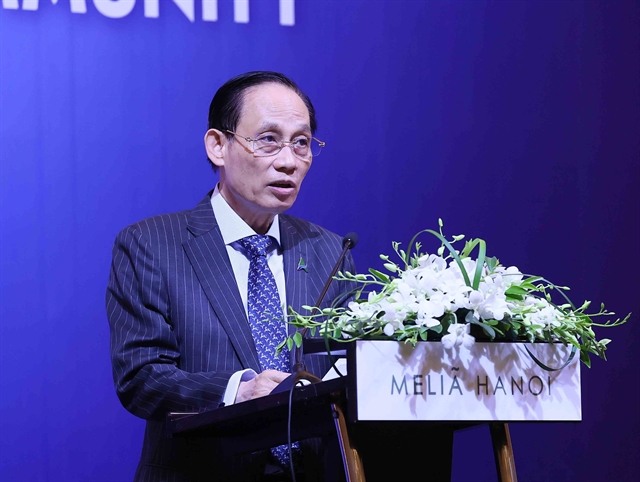
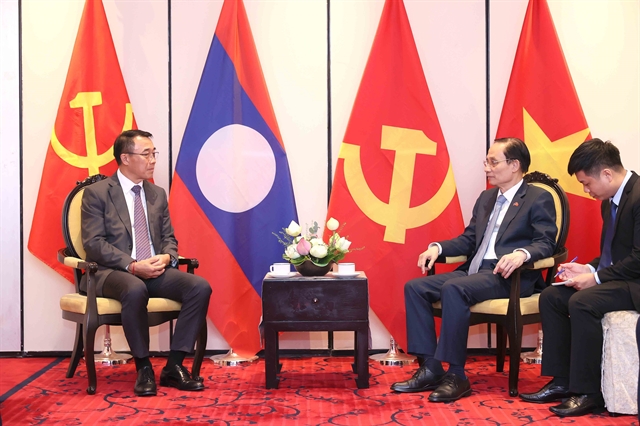
| Minister of Foreign Affairs Lê Hoài Trung speaks at the dialogue on the role of Southeast Asian political parties in building the ASEAN Community, held as part of the third ASEAN Future Forum (AFF) in Hà Nội on June 8. — VNA/VNS Photo |
HÀ NỘI — Minister of Foreign Affairs Lê Hoài Trung on Monday stressed that stronger cooperation among Southeast Asian political parties is not merely an exchange initiative but a strategic imperative for helping ASEAN overcome challenges, preserve unity and maintain its strategic autonomy.
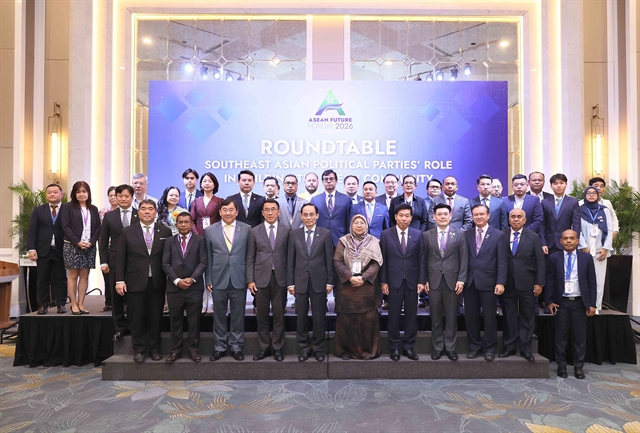
He made the remarks at a dialogue on the role of Southeast Asian political parties in building the ASEAN Community, held as part of the third ASEAN Future Forum (AFF) in Hà Nội. The event marked a significant milestone in ASEAN cooperation, representing the first-ever gathering and exchange among political parties across Southeast Asia.
Trung said the inaugural dialogue took place against the backdrop of profound and rapid changes in the regional and global landscape that are affecting countries and political parties alike. Southeast Asia, like many other regions, continues to face risks of supply chain disruptions. While the Asia-Pacific remains a key engine of global economic integration, the regional security environment has become increasingly volatile and economic prospects remain clouded by uncertainty.
According to the foreign minister, ASEAN cooperation should not be confined to government, state and parliamentary channels but should also be reinforced through the political foundations of each member state, namely its political parties.
He called for closer inter-party cooperation to bring ASEAN closer to its people and harness the strength of society as a whole. Given their close links with citizens from all walks of life, political parties serve as a two-way bridge: translating ASEAN policies into concrete benefits for the public while also bringing people’s voices to the regional level.
Such cooperation could also help mobilise broad social consensus to tackle shared challenges ranging from climate change and cybersecurity to sustainable development and the digital economy, he added.
The dialogue featured three discussion sessions with nearly 20 presentations and interventions from political party representatives, scholars and experts from across the region.
Speakers highlighted a shared sense of responsibility among political parties for ensuring a peaceful, stable and sustainable future for ASEAN. Participants also reaffirmed their commitment to contributing to ASEAN Community-building efforts.
|
| Minister of Foreign Affairs Lê Hoài Trung with delegates at the dialogue. — VNA/VNS Photo |
In his closing remarks, Deputy Foreign Minister Nguyễn Mạnh Cường said that for Việt Nam, strengthening cooperation with political parties in Southeast Asia and around the world remained a top priority and an important component of the country’s foreign policy and international integration efforts.
He expressed confidence that political parties deserve a greater role in shaping the future of the ASEAN Community, not only through policymaking and the development of shared visions but also by fostering domestic consensus within each country. Such consensus, he noted, would form the foundation for regional peace, stability and prosperity.
Reflecting on the three discussion sessions, Cường said participants had reached a broad consensus in three key areas.
First, enhancing trust, mutual understanding, and dialogue among political parties and between political parties, research institutes and academic communities has practical significance. Such exchanges help strengthen ASEAN unity and cohesion while reinforcing the bloc’s resilience and centrality amid growing regional and global uncertainties.
Second, political parties should play a more proactive role in advancing new initiatives and ideas. This would support the implementation of ASEAN Community goals and the bloc’s Strategic Plans towards 2045. Political parties are particularly important in ensuring that ASEAN’s future development remains inclusive, sustainable and people-centred, leaving no one behind.
Third, participants reaffirmed the growing importance of political parties in policymaking, as well as the need to promote regional cooperation and share governance experiences.
These contributions are essential for effectively addressing common challenges and ensuring ASEAN remains adaptable in an evolving regional and global environment.
Several delegates proposed establishing more regular exchange mechanisms among political parties. According to Cường, the idea is both practical and timely as it would create a platform for sustained dialogue among political parties, scholars, research institutions and strategic policy centres across the region.
Such a mechanism could generate policy recommendations and cooperative initiatives to help ASEAN respond more effectively to emerging challenges while advancing the implementation of the ASEAN Community Vision 2045. — VNS
Politics & Law
 Politics & Law
 Politics & Law
 Politics & Law
 Politics & Law
 Politics & Law
 Politics & Law
 Politics & Law
 Politics & Law
 Politics & Law
 Politics & Law
 Politics & Law
 Politics & Law
 Politics & Law
 Politics & Law