 Politics & Law
Vietnamese Prime Minister meets Cambodian National Assembly President
1.
|
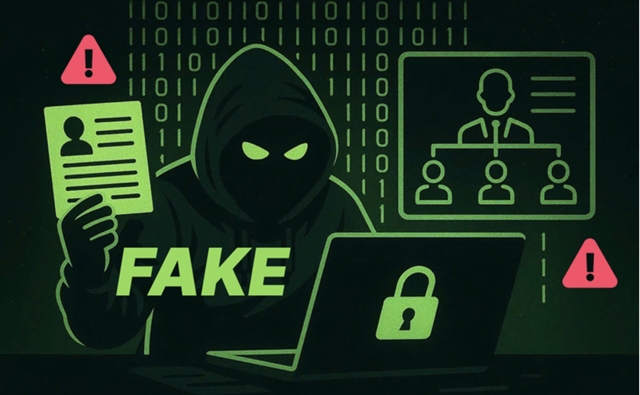
| The acts of creating and disseminating false ìnformation and images by AI and Deepfake technology will be strictly punished. Illustration photo |
HÀ NỘI — The Ministry of Public Security has proposed stricter regulations to address the use of artificial intelligence (AI) and deepfake technology in creating and spreading fake images and misinformation online, as authorities warn of rising abuse in cyberspace.
Lieutenant Colonel Triệu Mạnh Tùng said during a discussion on draft legal documents that the use of AI and deepfake technology to spread fake news and fabricated images had become increasingly common online.
He noted that the 2015 Law on Cybersecurity contains some relevant provisions but does not effectively regulate or penalise the unauthorised use of these technologies.
According to Tùng, the draft decree on administrative sanctions for violations in cybersecurity and personal data protection is expected to introduce stricter measures to deal with the creation and dissemination of false content generated using AI and deepfake tools.
Under the proposal, acts involving the creation and distribution of falsified products such as AI-generated videos and images will be strictly penalised.
The draft also sets out responsibilities for digital platforms in cases where violations occur and content is not verified, controlled or removed in accordance with requests from State agencies.
In cases involving personal data violations, the draft proposes significantly higher penalties in line with international practice.
Tùng said provisions on the management of social media groups and electronic identification and authentication for administrators would be included in a separate draft decree addressing the use of information technology, telecommunications networks and electronic means to infringe on national security and social order in cyberspace.
The document was previously drafted under the title Decree on the Prevention and Control of Cybercrime and High-Tech Crimes before being revised following review by the Ministry of Public Security and the Government.
Under the draft, the establishment, operation and management of social media groups must follow specific procedures and oversight mechanisms.
Group administrators would be responsible for monitoring and approving posted content to prevent the circulation of material that could affect security and public order.
The creator and operator of a group may also be held responsible if members’ posts are not promptly reviewed or addressed when they negatively affect society.
On key account verification (KYC), the decree proposes synchronised identity checks to combat junk SIMs and bank accounts not registered under their rightful owners. Social media accounts, banking services and mobile numbers would all be subject to verification mechanisms.
The State Bank of Vietnam has recently carried out data cleansing of bank accounts while telecommunications operators have worked with the Ministry of Public Security to verify subscribers using the National Population Database system.
Once platforms complete their identity databases, a nationwide identification framework is expected to be formed to support the management of accounts operating in cyberspace.
The draft also strengthens obligations for cross-border service providers. These platforms must implement mechanisms to verify user accounts, coordinate and share information quickly with authorities in emergencies and remove harmful or malicious content within 24 hours of receiving a request from competent State agencies. — VNS
Politics & Law
 Politics & Law
 Politics & Law
 Politics & Law
 Politics & Law
 Politics & Law
 Politics & Law
 Politics & Law
 Politics & Law
 Politics & Law
 Politics & Law
 Politics & Law
 Politics & Law
 Politics & Law
 Politics & Law