 Life & Style
Vietnamese creators vie for honours at TikTok’s first Southeast Asia Awards
1.
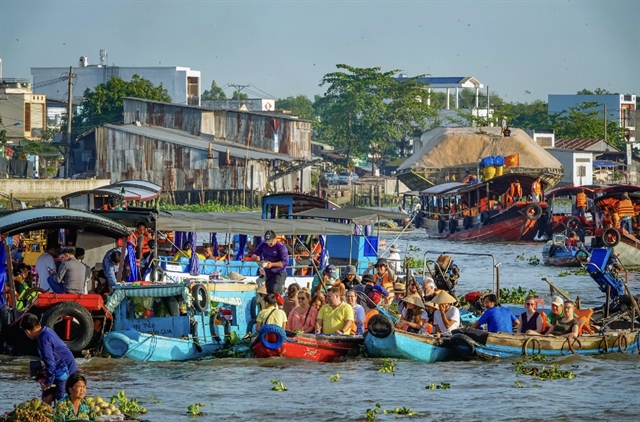 |
| Foreign tourists explore Cái Răng Floating Market in Cần Thơ. — Photo: baochinhphu.vn |
CẦN THƠ — Cần Thơ has considerable potential to develop tourism in its expanded geographical space, but the sector continues to face bottlenecks, particularly in air connectivity and tourism products. City authorities, tourism managers and businesses have discussed solutions to create fresh momentum for tourism and strengthen the city’s appeal to domestic and international visitors.
Air routes need two-way passenger flows
From the perspective of travel businesses, Lê Đình Minh Thy, director of Vietravel Cần Thơ, said the city had previously operated air routes connecting it with international markets such as Thailand, Malaysia, South Korea and Taiwan (China), as well as domestic destinations including Đà Lạt, Nha Trang, Thanh Hóa, Vinh and Hải Phòng.
However, passenger numbers had not met expectations.
Thailand had been the most successful international market among routes operated from Cần Thơ. In 2024, Vietravel Cần Thơ served nearly 5,000 outbound travellers, with Thailand accounting for about 58 per cent of the total.
However, the number of travellers to Thailand in 2025 fell to around one-fifth of the previous year's figure, before declining further in 2026. Meanwhile, the number of Thai visitors travelling to Cần Thơ remained low.
Domestic routes also face challenges in attracting tourists. Flights connecting Cần Thơ with Vinh, Hải Phòng and Thanh Hóa have maintained relatively stable demand from business travellers and people visiting relatives, but attracting leisure travellers remains difficult.
“Opening or restoring air routes to serve tourists is necessary, but this must be closely linked with travel companies. They play a key role in connecting markets, taking visitors abroad and bringing them to the city. To sustain an effective route, the two localities or countries must work together to generate passenger flows in both directions,” Thy said.
Vietravel Cần Thơ proposed studying a new Cần Thơ–China route, maintaining the Cần Thơ–Đà Lạt service and reviewing flight schedules and fares.
It also suggested increasing flight frequencies or introducing more airlines on routes connecting Cần Thơ with Đà Nẵng and Hà Nội, giving passengers more choices and competitive fares while reducing the need for visitors to travel to HCM City to catch flights.
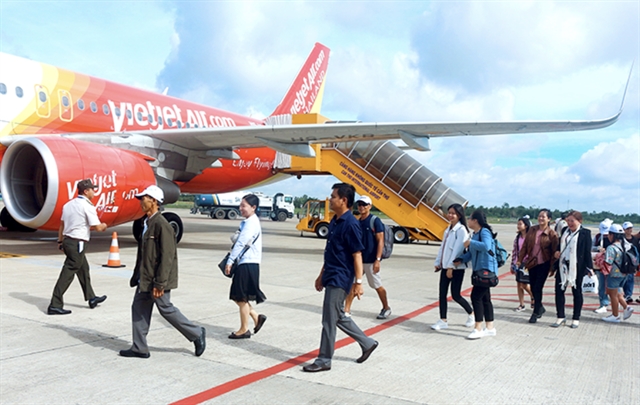 |
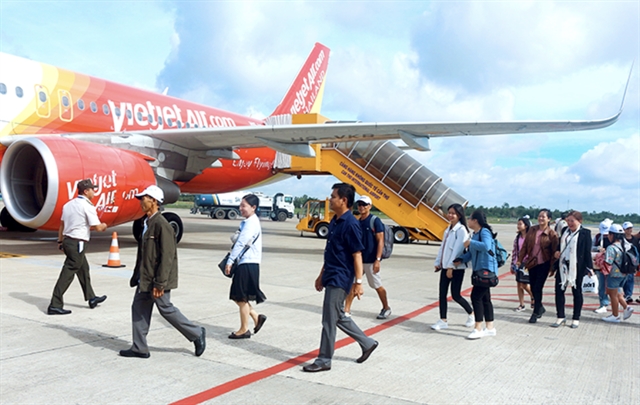
| Passengers at Cần Thơ International Airport. — Photo: baocantho.com.vn |
Trương Văn Vinh, director of Ido Travel Cần Thơ, said sustainable air connectivity required more than Vietnamese passengers travelling overseas, stressing the importance of balanced two-way traffic.
He suggested prioritising short-haul routes to nearby markets with relatively few visa restrictions, such as Thailand and Singapore, as well as markets with investment links to Việt Nam and Cần Thơ, including South Korea and Japan.
Trần Thanh Thái, director of Mekong Smile Travel, proposed using charter flights to test demand for potential routes to China and Singapore before introducing regular services. Once travel companies had assessed market demand and their ability to sell tour packages, they could work towards scheduled operations.
During the initial stage, tourism businesses could jointly develop land tour packages before negotiating with overseas suppliers and airlines to introduce promotional programmes and stimulate two-way travel.
Developing distinctive tourism products
Alongside air connectivity, businesses called for greater investment in tourism products to diversify experiences and encourage visitors to stay longer.
Võ Nguyễn Minh Thái, sales and communications director of Cantho Eco Resort, said domestic travellers accounted for about 90 per cent of the resort's guests, with the remaining 10 per cent coming from Europe. Domestic visitors mainly travelled from Hà Nội, Đà Nẵng, HCM City and the Mekong Delta.
However, the resort had recently recorded a marked decline in visitors from Hà Nội and northern provinces, partly due to high airfares and what he described as signs of saturation in Cần Thơ's tourism products.
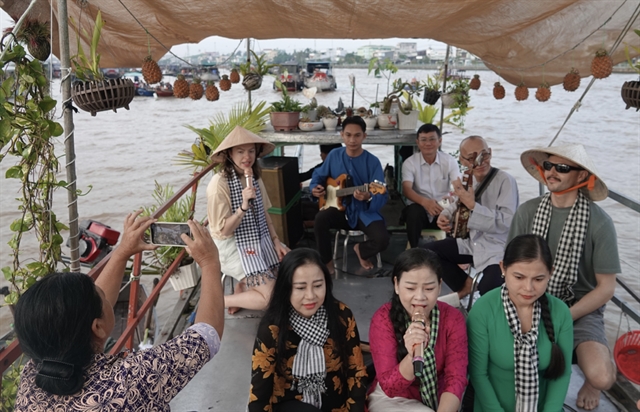 |
| Southern folk music performances at Cái Răng Floating Market attract foreign tourists. —Photo: baocantho.com.vn |
Cantho Eco Resort introduces one or two new products each year, but he said individual businesses could not retain visitors by offering experiences confined to their own premises.
He called on the city to revitalise Cái Răng Floating Market and develop more night-time activities around Ninh Kiều Wharf. Such initiatives could encourage longer stays and increase visitor spending.
Phạm Thị Thanh, director of TTC Cần Thơ, also noted changes in the city's visitor markets, with some traditional European markets showing signs of decline amid concerns over service quality and the limited diversity of tourism products.
Cần Thơ has distinctive advantages in river-based culture, urban life and the traditions of southern Việt Nam, she said. These assets should be preserved and developed into tourism experiences that reflect the city's identity.
She proposed designating a street in the inner city or a nearby area as an “Old Southern Việt Nam Street”, where traditional services such as passenger-pulling carts and pedal-powered rickshaws could operate exclusively for tourists. Another option would be a flower-lined street featuring native species to create a distinctive attraction.
Travel and accommodation businesses said Cần Thơ's attractions and services were not yet sufficiently coordinated to meet the expectations of high-end visitors. The range of experiences remained limited, while the city lacked signature products capable of distinguishing it from competing destinations.
They proposed developing a dedicated floating-market space or establishing tourist routes operating in the early morning and at night. Signature programmes, cultural and artistic performances after dark, and large-scale festivals were also suggested as ways to strengthen the city's appeal.
Authorities and businesses work together
Sầm Long Giang, deputy director of the Cần Thơ Department of Culture, Sports and Tourism, said the department would study suitable source markets and air routes before advising the city on possible measures.
It would also work with the city's tourism association, relevant agencies, travel companies and accommodation providers to develop joint products, including land tours and regional itineraries linking Cần Thơ with An Giang, Vĩnh Long and Cà Mau.
Such cooperation would help ensure greater consistency in tourism promotion and marketing, he said.
The department was also preparing and organising programmes to attract visitors. Major events planned for the final months of 2026 include a River Culture Festival and an International Rice Industry Festival.
Developing Cần Thơ's tourism sector will require coordinated solutions and time for gradual transformation. In the longer term, the city has attracted several strategic investors to tourism projects. In the immediate future, upgrading existing attractions and making established products more appealing are considered necessary steps.
Nguyễn Thị Ngọc Điệp, vice chairwoman of the Cần Thơ People's Committee, said the city had several schemes to develop tourism products, including plans to invest in Cái Răng Floating Market by identifying areas for conservation and commercial activities.
The city also has a project to introduce artistic lighting and decoration on bridges along the route from Ninh Kiều to Cái Răng, creating additional attractions for river tourism and photo opportunities.
In addition, Cần Thơ is preparing to launch a night-time show to support the development of its night-time economy in conjunction with tourism.
Regarding air connectivity, city leaders called on tourism businesses to work alongside authorities to restore existing routes and open new ones. Charter flights to suitable markets could be considered as an initial step.
Based on proposals from businesses, the city will continue studying appropriate support policies and mechanisms to provide fresh impetus for tourism development. — VNS
Life & Style
 Life & Style
 Life & Style
 Life & Style
 Life & Style
 Life & Style
 Life & Style
 Life & Style
 Life & Style
 Life & Style
 Life & Style
 Life & Style
 Life & Style
 Life & Style
 Life & Style