 Life & Style
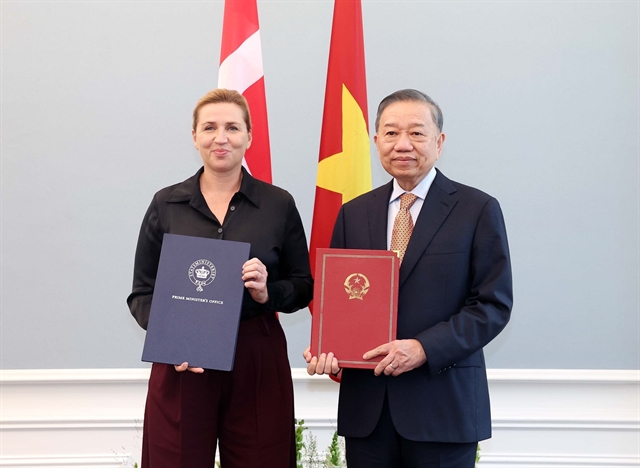
Việt Nam, Denmark elevate ties to Comprehensive Strategic Partnership
1.
|
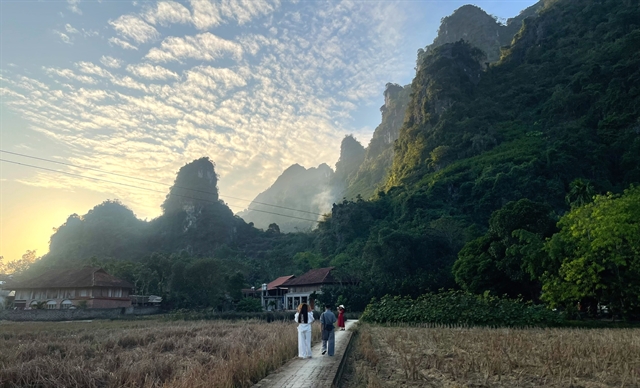
| Lạng Sơn has emerged as a compelling destination for both domestic and international travellers. — Photo bvhttdl.gov.vn |
LẠNG SƠN — Community-based tourism and adventure sports are transforming Hữu Liên Commune in Lạng Sơn into one of the region’s most dynamic and sustainable destinations.
Lạng Sơn has, in recent years, emerged as a compelling destination for both domestic and international travellers.
Its blend of cultural exploration and outdoor adventure, from visiting ethnic villages and learning traditional crafts to trekking, camping and rock climbing, has given the province a distinctive appeal and created memorable experiences for visitors.
Hữu Liên Commune is one of the area’s rising stars. Its community-based tourism model, which pairs authentic cultural encounters with adventure sports, has not only enriched the visitor experience but also generated sustainable livelihoods for local residents.
The commune was recently honoured with two ASEAN Tourism Awards 2025: the ASEAN Community-Based Tourism Award for the Hữu Liên tourism site and the ASEAN Homestay Award for the Yên Thịnh Homestay Cluster.
These accolades highlight its cultural and natural strengths and have boosted its visibility across the region.

|
| Cultural exchanges play a vital role in strengthening bonds between hosts and guests in Hữu Liên. — Photo langsontourism.com.vn |
Tourism transforming rural livelihoods
Community tourism has opened new development pathways for families in Hữu Liên. For many, it marks a shift from strenuous agricultural work to more stable and less physically demanding income streams.
Vi Thị Ánh, a Tày ethnic resident and owner of the second Green Forest Homestay, has been hosting guests for four years.
“Life has improved a lot,” she said. “Farming often required eight to 10 hours of hard labour. Running a homestay is easier, and the income is more reliable.”
Her homestay draws steady numbers of domestic and foreign visitors. Many enjoy hands-on cultural activities such as making pumpkin cakes, wormwood cakes and purple sticky-rice cakes – experiences that, Ánh notes, help keep local food traditions alive.
Lèo Thu Phương, owner of the first Green Forest Homestay branch, faced similar early challenges, such as limited experience, unfamiliarity among travellers and a slow start in attracting visitors.
As local authorities stepped up promotional efforts, her homestay gained wider recognition.
“Tourism has created opportunities for many households,” she said. “We support each other, sharing guests, supplying food and ensuring visitors have a genuine local experience. Most ingredients come directly from villages, which guarantees freshness while generating extra income for the community.”
One of the commune’s earliest homestay hosts, Ngô Ất Mão of Mão Homestay, has seen first-hand how tourism stimulates the local economy.
Agricultural products, especially rice, custard apples and seasonal fruits, now sell more easily and at higher value.
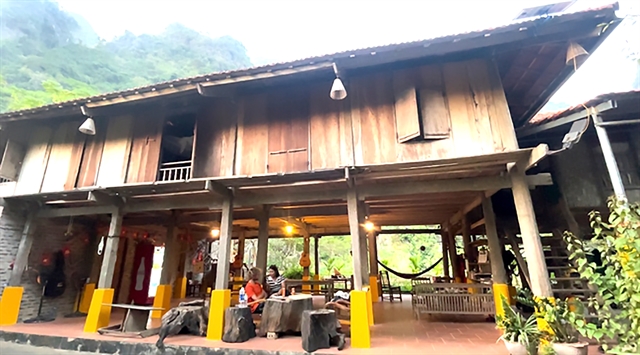
His homestay preserves the rustic charm of a traditional Tày stilt house, while offering clean, comfortable rooms and locally sourced meals.
“Visitors enjoy the peaceful atmosphere, the hospitality and the chance to join activities like trekking, climbing and camping,” he shared. “Most of our guests are foreigners, and they appreciate that we still maintain the authenticity of the traditional house.”
Travellers’ reactions reflect the commune’s growing appeal.
American guests have praised the welcoming atmosphere, beautiful scenery, friendly villagers and flavourful meals. Many valued the freshness of ingredients sourced from local markets or gardens, dishes they had never tasted before.
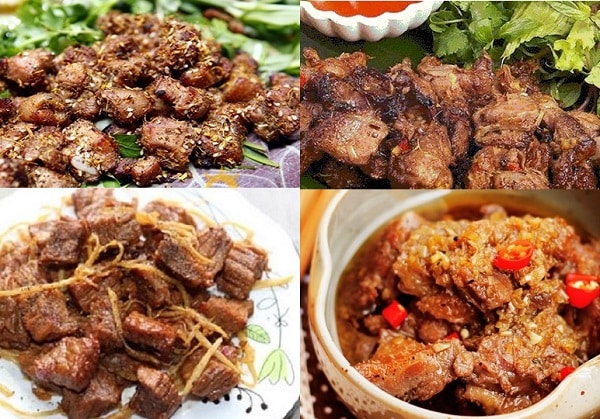
Traditional specialties of Lạng Sơn, including roast pork, roast duck, grilled pork rolls, smoked sausages, herbal rice wine and a range of distinctive cakes, further enhance the experience.
Cultural exchanges play a vital role in strengthening bonds between hosts and guests.
Visitors can enjoy performances such as Páo Dung singing of the Dao community, as well as Xoan singing, and Then singing accompanied by đàn tính, all contributing to a more immersive journey.
|
| Hữu Liên focuses on creating opportunities for visitors to deeply engage in unique cultural experiences while preserving the identities of ethnic minority communities. — Photo bvhttdl.gov.vn |
Adventure tourism takes centre stage
Hữu Liên has also become a magnet for adventure seekers.
Its rugged landscape, particularly its high-quality limestone cliffs, makes it ideal for sport climbing.
VietClimb, a pioneering climbing organisation, began developing routes in Yên Thịnh in 2016 after surveying locations across the country. Hữu Liên’s limestone proved to be among the best for installing climbing bolts, prompting the company to partner with local residents to provide accommodation, food services and technical support for climbers.
The adventure offering has since become one of the commune’s most distinctive tourism products.
Climbers, from beginners to seasoned athletes, describe the routes as thrilling, challenging and rewarding.
First-time climbers often speak of pushing past personal limits and gaining confidence.
VietClimb instructors emphasise the importance of good technique and mental calm, noting especially the need to rely on leg strength rather than overusing arms.
Nguyễn Thị Thu Thảo, from the provincial Investment, Trade and Tourism Promotion Centre, said that before applying for the ASEAN awards, the centre launched promotional campaigns, developed online platforms and organised workshops to raise Hữu Liên’s profile.
The awards, she added, have provided strong momentum for further tourism growth, helping the commune position adventure sports as a signature attraction distinct from other destinations.
ASEAN recognition and the road ahead
For homestay operators such as Ngô Ất Mão, the ASEAN award is a major milestone.
To maintain a high standard, he emphasises the need for family cooperation, complete legal documentation and rigorous adherence to core criteria on accommodation, dining spaces and sanitation.
Local hosts are also actively improving their English language and guest communication skills to better serve an increasingly international clientele.
Mão hopes to see greater investment in environmental protection, cultural preservation and local infrastructure. He also believes a shared promotional website for all homestays in Hữu Liên would help present a unified image to potential visitors.
For operators like Lèo Thu Phương, the priority is to continue developing visitor experiences while safeguarding the commune’s cultural identity.
“We will keep improving our services, expanding experiential activities and enhancing guest comfort,” she said. “But preserving our traditions remains at the heart of community tourism.”
With strong community engagement, growing adventure offerings and international recognition, Hữu Liên is emerging as a model for sustainable, culture-rich rural tourism, one that supports livelihoods while protecting the landscapes and traditions that make Lạng Sơn unique. — VNS
Life & Style
 Life & Style
 Life & Style
 Life & Style
 Life & Style
 Life & Style
 Life & Style
 Life & Style
 Life & Style
 Life & Style
 Life & Style
 Life & Style
 Life & Style
 Life & Style