 Economy
Đà Nẵng aims to rank among Asia’s leading cities by 2075
1.
|
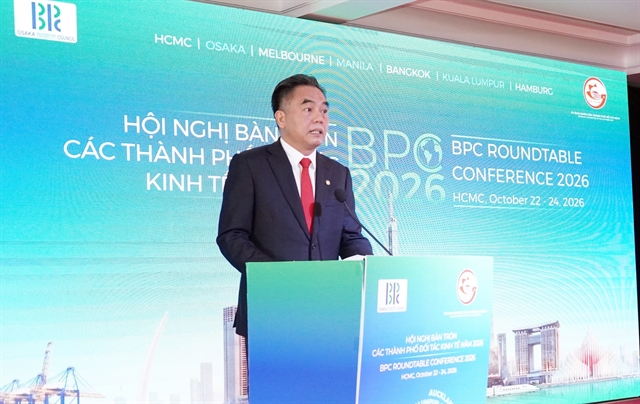
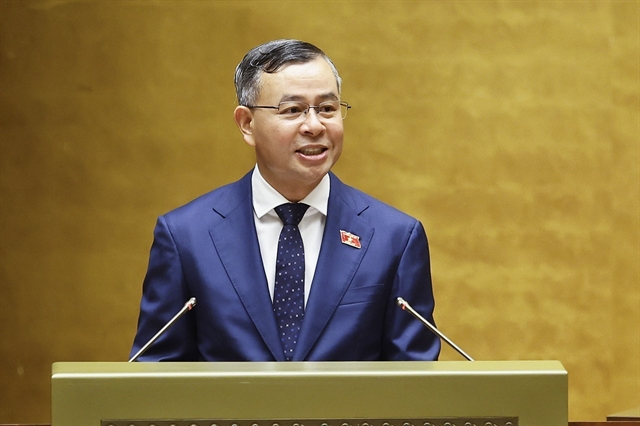
| Nguyễn Lộc Hà, permanent vice chairman of the HCM City People’s Committee, speaks at the 2026 Business Partner Cities Roundtable Conference in HCM City on October 23. — VNS Photo Văn Châu |
HCM CITY— The 2026 Business Partner Cities (BPC) Roundtable Conference in HCM City on October 23 focused on innovation, sustainable development and practical cooperation to strengthen economic growth and international business links.
It marked the 35th edition of the annual forum, bringing together representatives of member cities, trade promotion organisations, business associations and enterprises to explore ways to translate shared development goals into concrete cooperation initiatives.
Jointly organised by the city People’s Committee and the Osaka Business Partner City Council of Japan, the conference was held under the theme “Innovation and Sustainable Development: Promoting Growth and International Cooperation among BPC Cities”.
It was the third time HCM City had hosted the event, following the 2002 and 2016 editions.
The conference built on the outcomes of the 2025 BPC meeting in Osaka and its Joint Declaration on Decarbonisation and Sustainability, with an emphasis on strengthening links between local governments and businesses to address environmental challenges while creating new economic opportunities.
Nguyễn Lộc Hà, permanent vice chairman of the city People’s Committee, said cities were facing increasingly complex demands, including maintaining economic growth, improving competitiveness, promoting innovation, adapting to climate change, reducing emissions and enhancing residents’ quality of life.
He stressed that innovation needed to be linked to commercialisation and business development, while economic expansion should go hand in hand with efficient resource use.
Urban development, meanwhile, needed to be supported by modern infrastructure and public transport.
The conference was expected to move beyond exchanging experience to identify shared challenges, establish priority areas for cooperation and develop initiatives that could be implemented in practice, delivering tangible benefits to businesses and residents across member cities, he said.
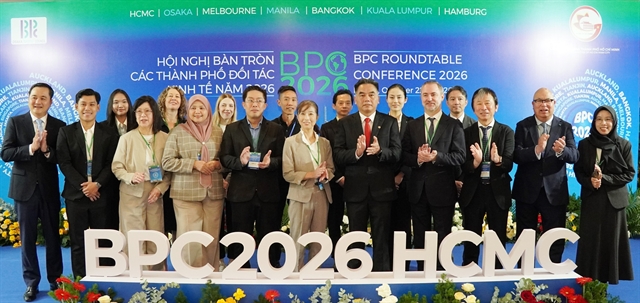
|
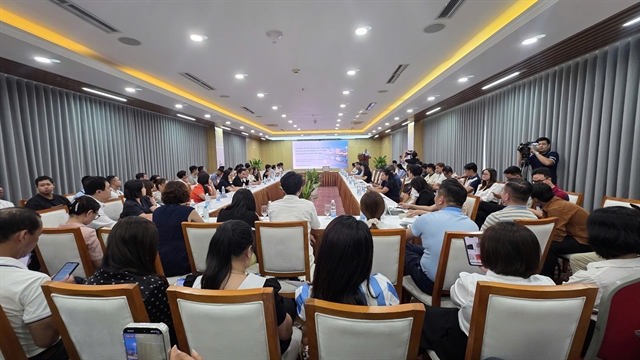
| Delegates attend the 2026 Business Partner Cities Roundtable Conference in HCM City on October 23. — VNS Photo Văn Châu |
Green growth and business innovation
Discussions centred on three main areas: supporting innovative start-ups and small- and medium-sized enterprises (SMEs), promoting sustainable industrial development and carbon emissions reduction, and advancing transit-oriented development (TOD).
outlined its efforts to sustain economic growth while accelerating its green transition.
The ciHCM Cityty’s gross regional domestic product (GRDP) grew 9.06 per cent in the first nine months of 2026, while its industrial production index increased 10.9 per cent, reflecting continued economic momentum.
Alongside growth, the city is strengthening measures to reduce greenhouse gas emissions.
It is conducting greenhouse gas inventories at 360 facilities, of which 240 have prepared emissions reduction plans for the 2026-30 period.
Around 68 per cent of the city’s buses use electricity or other green energy, with a target of reaching 100 per cent by early 2027.
The city is also participating in the roadmap for operating Việt Nam’s national carbon market.
HCM City is implementing eight groups of measures to transform its industrial growth model towards greener, circular and lower-emission production.
Priorities include converting industrial parks and clusters into eco-industrial models, developing environmental industries and renewable energy, supporting enterprises in their green transition and attracting green investment.
These efforts reflect the city’s approach to combining industrial competitiveness with environmental responsibility.
The transition is expected to require closer coordination among government agencies, businesses, investors and technology providers, particularly as enterprises face growing pressure to measure and reduce emissions.
HCM City is also expanding its support for innovative start-ups and SMEs through programmes covering the entire business development process, from idea generation and incubation to technology testing, commercialisation and market expansion.
Such support is intended to help businesses strengthen their capabilities, access new markets and participate more effectively in international value chains.
From the business perspective, Australian Industry Group (Ai Group) highlighted the potential for carbon reduction to become a source of competitive advantage, arguing that sustainability commitments should be translated into measurable business growth.
However, SMEs often face difficulties in measuring emissions, meeting the costs of technological upgrades and accessing green finance.
These challenges underline the need for practical support mechanisms, better information and stronger links between businesses and financing providers.
Representatives of the Hamburg Chamber of Commerce shared Germany’s experience in developing an innovation ecosystem and supporting start-ups, scale-ups and SMEs seeking to expand internationally.
Their experience highlighted the importance of helping businesses assess their readiness, select suitable markets and develop the capabilities needed to operate across borders.
Although BPC cities have different economic structures and development priorities, the exchange of experience offers opportunities to identify solutions that can be adapted to local conditions.
Cooperation through the network can help cities learn from one another while creating new connections between enterprises, investors and innovation organisations.
Ayako Moriyama, director general of the Economic Strategy Bureau of the Osaka city government, proposed four areas for joint action.
These included providing businesses with information on environmental challenges and commercial opportunities in partner cities; incorporating green considerations into existing policies and programmes; sharing information about business events open to foreign companies and considering preferential arrangements for BPC cities; and strengthening regular coordination among BPC partner organisations.
Kenjiro Mori, secretary-general of the Osaka Business Partner City Council, reiterated that the 2025 joint declaration had two central objectives: strengthening cooperation among member cities and partner organisations, and addressing environmental challenges through business activities.
The conference’s concluding discussions reviewed progress in implementing the declaration, shared lessons from green transition and considered concrete actions for the period ahead.
The focus was on ensuring that commitments made at the network level could lead to practical programmes involving local authorities, business organisations and the private sector.
Established by the Osaka city government in 1988, the BPC network promotes economic exchanges between cities, supports SMEs in expanding overseas and fosters mutual understanding among their residents.
It currently comprises 15 members: Osaka, Hong Kong, Singapore, Bangkok, Kuala Lumpur, Manila, Jakarta, Seoul, Shanghai, HCM City, Mumbai, Melbourne, Tianjin, Auckland and Hamburg. HCM City joined the network in May 1997, while Hamburg became its newest member in 2019.
The roundtable has been held annually since 1990, with member cities taking turns to host the event.
It provides a platform for local authorities, trade promotion organisations, associations and enterprises to exchange policy experience, discuss urban development and identify business opportunities.
Alongside the conference, HCM City arranged bilateral working sessions with representatives of partner cities and businesses, including Melbourne, Manila, Osaka and Ai Group.
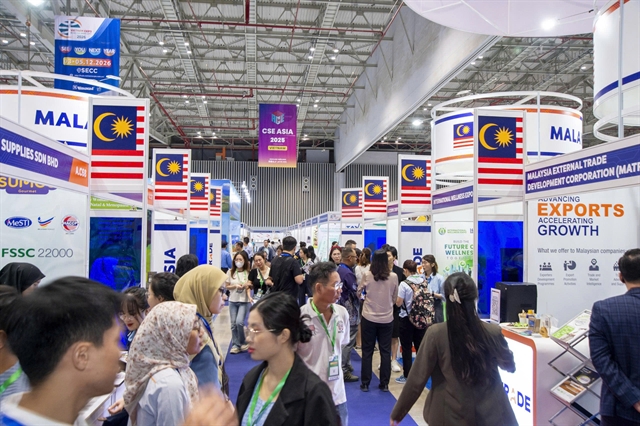
Delegates also visited the 2026 Vietnam Outstanding Export Products Fair at the WTC Expo and participated in business networking activities.
Through the BPC network, HCM City aims to strengthen international economic links, expand cooperation programmes and improve the competitiveness of local enterprises.
By connecting innovation with sustainable industrial development and emissions reduction, the city hopes to turn international partnerships into practical initiatives that support green growth and long-term urban development. — VNS
Economy
 Economy
 Economy
.jpg) Economy
 Economy
 Economy
 Economy
 Economy
 Economy
 Economy
 Economy
 Economy
 Economy
 Economy
 Economy