 Economy



OPPO Find X10 Pro Max to Debut Globally with MediaTek’s 2nm Flagship Dimensity 9600 Pro
1.
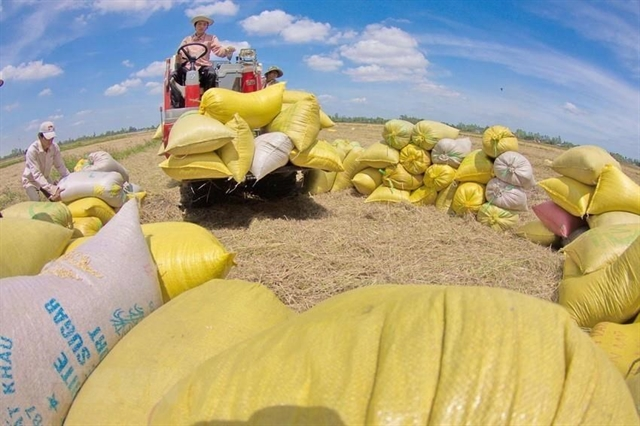 |
| Rice harvested. Rice is one of the six business lines proposed for removal from the list of conditional business sectors.— VNA/VNS Photo |
HÀ NỘI — The Ministry of Industry and Trade (MoIT) has proposed removing six business lines from the list of conditional business sectors.
These include trading in alcohol, food, rice exports, minerals, automobile manufacturing, assembly and import, and gas trading.
This move is part of a draft resolution on cutting and simplifying administrative procedures and business conditions.
The Vietnam Chamber of Commerce and Industry (VCCI) described the approach as “responsible,” reflecting a balance between reform requirements and State management objectives.
Previously, similar proposals had been raised by businesses but failed to gain consensus due to concerns about risks associated with removing business conditions.
In the draft, MoIT continues to highlight potential risks. Regarding rice exports, it warns of threats to food security, unhealthy competition, and the possibility of market manipulation by foreign capital.
VCCI recommended broad consultation with the business community, particularly small enterprises, cooperatives, and farmers.
Meanwhile, the automobile manufacturing and assembly sector is seen as facing risks related to quality control, product safety, lifecycle responsibility, and impacts on localisation goals.
However, VCCI argued that the removal aligned with reform trends and had “sufficient grounds for implementation.” For the automotive sector, it believed existing post-inspection tools were already robust.
All domestically produced, assembled, or imported vehicles must undergo inspections for quality, technical safety, and environmental protection before being allowed on the market. In addition, there are systems for vehicle registration, recall mechanisms, and product liability regulations under the Law on Protection of Consumer Rights.
The draft resolution is expected to take effect immediately upon issuance and expire on March 1 next year.
VCCI considered the short timeframe appropriate given the urgency but recommended that the drafting agency soon establish a roadmap to formalise these reforms into law to ensure stability and avoid disruptions to investment and business activities. — VNS
Economy
 Economy
 Economy
 Economy
 Economy
 Economy
 Economy
 Economy
 Economy
 Economy
 Economy
 Economy
 Economy
 Economy
 Economy