 Economy
SBV to curb property price inflation, enforce lending rate rules
1.
|
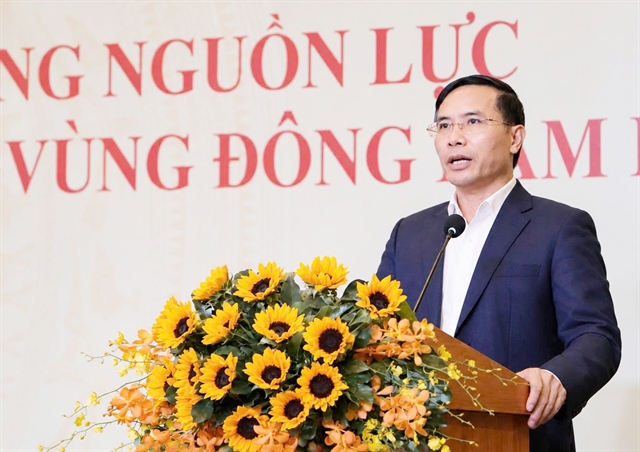
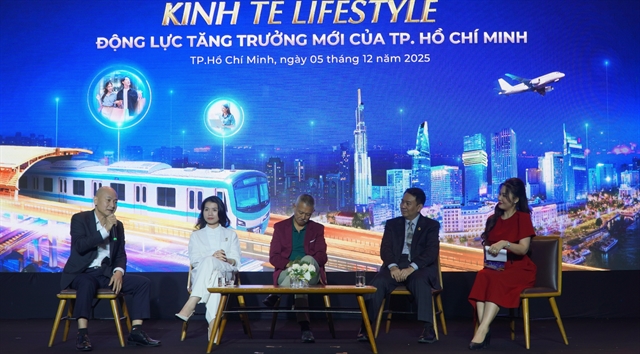
| Representatives of HCM City’s Department of Industry and Trade and experts take part in a panel discussion at the seminar “Lifestyle economy emerges as a new growth driver for HCM City,” held in the city on December 5. — VNA/VNS Photo |
HCM CITY — HCM City is looking to the lifestyle economy as a fresh source of momentum as it pursues its goal of becoming a creative and liveable metropolis by 2030.
The trend, which emphasises personalised consumption and experience-driven services, was highlighted at a seminar titled “Lifestyle economy emerges as a new growth driver for HCM City” held on December 5 by Tuổi Trẻ newspaper in collaboration with the city’s Department of Industry and Trade.
Speaking at the event, Trần Xuân Toàn, deputy Editor-in-Chief of Tuổi Trẻ newspaper, said the lifestyle economy has gained ground globally and has begun to take shape in the city in recent years.
As consumers increasingly embrace personalised experiences in dining, shopping and travel, an ecosystem of products and services has expanded to meet such expectations.
Although the city still lags behind major international hubs such as those in the Republic of Korea or Singapore, it holds significant potential to develop a vibrant lifestyle economy capable of creating new growth momentum and opening opportunities for local enterprises.
Associate Professor Đinh Tiên Minh, senior lecturer and head of the Marketing Faculty at the University of Economics HCM City, said global consumption patterns are shifting from goods to services and experiences.
The lifestyle economy, he noted, represents the next phase of this transition, as consumers now seek products and services that express personal identity.
Offerings tailored to lifestyle values, aesthetics and experiential needs have become key differentiators.
Capturing these shifts not only enhances business competitiveness but also contributes to broader economic expansion and improved social wellbeing.
The lifestyle economy is also closely linked to efforts to shape a distinctive urban identity while meeting rising demand for cultural and experiential consumption.
Việt Nam’s growing middle class, currently accounting for about 23.2 per cent of the population and expected to reach around 50 per cent by 2035, is seen as a strong driver for lifestyle-oriented industries.
“Gen Z is now the largest generation in Việt Nam and is gaining stronger purchasing power,” Associate Professor Đinh Tiên Minh said.
“They do not simply consume products; they consume experiences. Understanding their expectations and habits will allow firms to develop offerings with experiential and emotional value. For major cities like HCM City, the lifestyle economy is opening a promising direction for sustainable future growth.”
From an international viewpoint, Parke Sang Mo, head of Planning and Events at the Korean Cultural Centre in Việt Nam, said Việt Nam and HCM City in particular possesses strong potential for lifestyle-driven economic development, especially as the country moves towards greener and more sustainable growth models.
He added that not only large enterprises but also small- and medium-sized firms in Việt Nam have begun aligning with green consumption and building product ecosystems that support lifestyle-based expansion.
Lê Trí Thông, CEO of PNJ, said his company has long invested in studying youth trends to create products that go beyond traditional jewellery and carry emotional value.
He noted that although the concept may sound new, the lifestyle economy is already present in the city through products and services that resonate with young consumers.
“This presents a rare opportunity for the city to shift from a manufacturing hub to a regional centre of creativity,” he said.
“Changing consumer behaviour, a talented young workforce and shifting global value chains are creating favourable conditions. But to transform the creative economy into a true growth driver, the city will need clear strategic direction, strong business participation and active leadership from local authorities.”
Experts at the seminar also highlighted the importance of shaping a unique urban lifestyle identity to distinguish the city within the region.
A clear positioning, they said, would enable businesses to design products and experiences aligned with this identity, thereby enhancing the city’s attractiveness for residents and visitors alike.
From a policy standpoint, Nguyễn Nguyên Phương, deputy director of the Department of Industry and Trade, said unlocking the potential of the lifestyle economy requires balancing supply and demand.
In recent years, the city has encouraged the development of consumer-oriented products and services to strengthen connections between markets and producers.
With new perspectives emerging from the seminar, he said the city would explore more innovative and multidimensional approaches to maximise opportunities in the sector.
“These discussions offer valuable guidance as we work towards developing more personalised products and services that elevate the experience of HCM City residents,” he said.
“We will continue to study and advise the city on appropriate measures to support enterprises and shape products suited to this promising market.”
As one of Việt Nam’s most dynamic and creative urban centres, the city has long been a magnet for consumption, innovation and cultural activity.
Harnessing new economic models such as the lifestyle economy is expected to provide renewed impetus for the city’s development, strengthen its identity and enhance its appeal as a distinctive destination for domestic and international visitors. — VNS
Economy
 Economy
 Economy
 Economy
 Economy
 Economy
 Economy
 Economy
 Economy
 Economy
 Economy
 Economy
 Economy
 Economy
 Economy