 Economy


Goat meat offers a feast of choice for every diner
1.

|
| Prof Wesley Rosslyn-Smith, director of the South Africa Centre for Industry and Technology. — Photo c4irsacit.org |
For many years Việt Nam has been focusing on the implementation of "4.0 technologies" in both state management and business production in order to boost efficiency in a sustainable manner.
Efforts in this pursuit includes the HCM City Centre for the Fourth Industrial Revolution (HCMC C4IR), launched in last year's September as part of cooperation between the Vietnamese Government and the World Economic Forum (WEF) for 2023-2026.
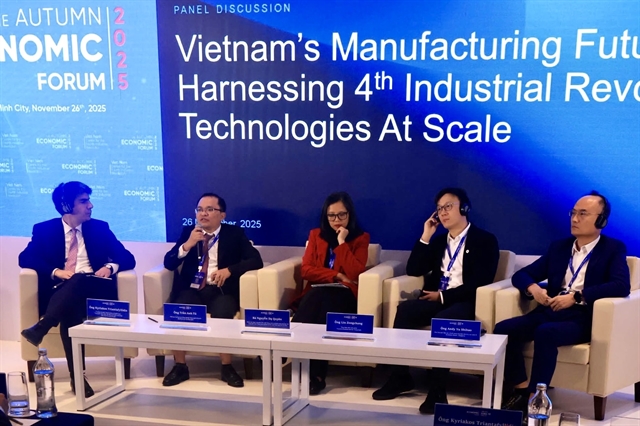
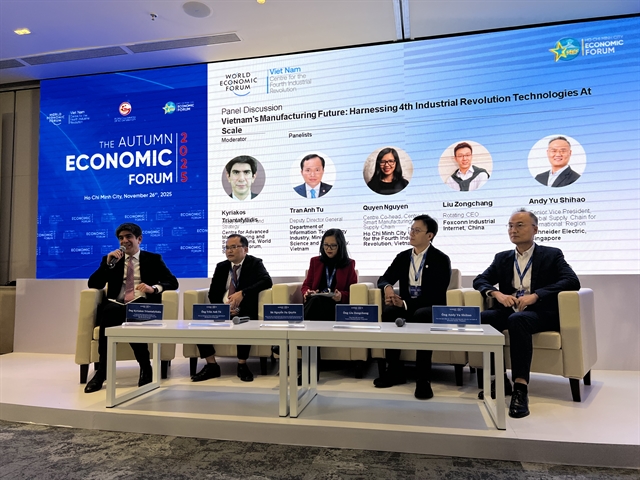
Việt Nam News spoke with Prof Wesley Rosslyn-Smith, director of the South Africa Centre for Industry and Technology, part of the WEF's global network of Fourth Industrial Revolution Centres, at the Autumn Economic Forum in HCM City on Việt Nam's pursuit towards Fourth Industrial Revolution.
What do you think about Việt Nam's HCMC C4IR?
I think Việt Nam's C4IR centre is a bit older than the South African centre. It seems to be doing an exceptionally good job. We very much overlap in similar areas, being advanced manufacturing, being a common thematic theme between both centers.
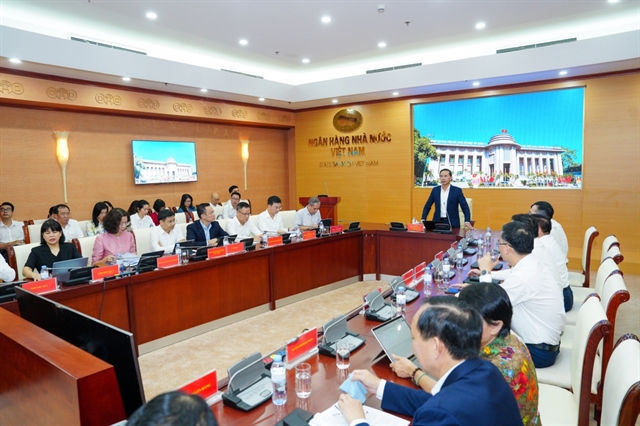
The Autumn Economic Forum, organised by the HCMC C4IR, is a great initiative. It's putting HCM City on the map and bringing the right people to the right discussions, and showcasing the capabilities that Việt Nam has and what the city has to offer.
Specifically, both Việt Nam and South Africa have very big youth populations. They need to showcase that these youth populations have the right digital capabilities to take on the new jobs of the future. I think this is very much a step in the right direction in terms of showcasing those capabilities.
|
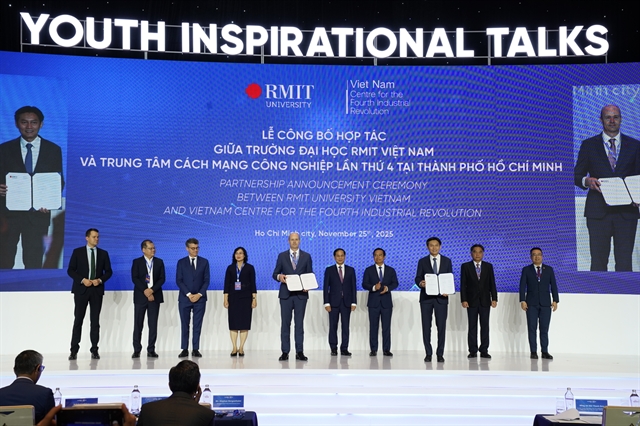
| A ceremony to annouce a long-term partnership between RMIT Vietnam and the HCMC C4IR to strengthen researches and education for smart urban transformation and economic development. — Photo from the Autumn Economic Forum |
Việt Nam is paying a lot of attention to the 4.0 industry revolution. How do you assess Việt Nam's capability of pursuing this challenging task?
I think foremost is digital literacy – you need strong digital literacy, both from a consumer base and an entrepreneurial perspective. Both have been showcased quite clearly over the last few days of this event. And I think if they continue to build that up, they'll be in a very good position to take on 4.0 technologies at larger scales. So that's very much in the right direction.
What do you think of Việt Nam's ability to attract hi-tech FDI projects, as well as its infrastructures and policies to support them?
Well, no one wants to put their money anywhere else, right? So you have to offer something that they can't do in their home countries. And I think one thing first is a young, capable workforce.
As we know, in a lot of developed countries, they're facing aging populations, so they want to invest in countries where they are able to stay long term. There are also the factors of political stability, room for growth, and other ingredients to attract FDI.
For Việt Nam, that's very much what they're putting in place. And I don't see why FDI is not going to flow more and more for that reasons.
Policy wise, I think all the boxes are ticked. Việt Nam's policies for attracting hi-tech FDI projects are almost 90 percent of the way there.
I think it's now that boils down to the implementation of those policies – making sure that what's being put in terms of policy actually happens on the ground, which I think Việt Nam is doing a much better job than other countries. Most countries struggle with implementation of their policies, but Việt Nam seems to be doing good in that regard.
What else does Việt Nam need to do to facilitate investment attraction and 4.0 technology implementation?
I think they just need to keep showcasing the difference between Việt Nam and other markets, where FDI could flow in terms of advanced manufacturing and 4IR technologies.
Việt Nam's not alone in this regard. There are a lot of countries around the world that are also trying to grab this sort of investment. How do they distinguish themselves needs to be clear.
They need to showcase their ability to host Lighthouse projects, which are facilities under the Lighthouse Network, an initiative started by the World Economic Forum that showcases exceptional advanced manufacturing companies around the world.
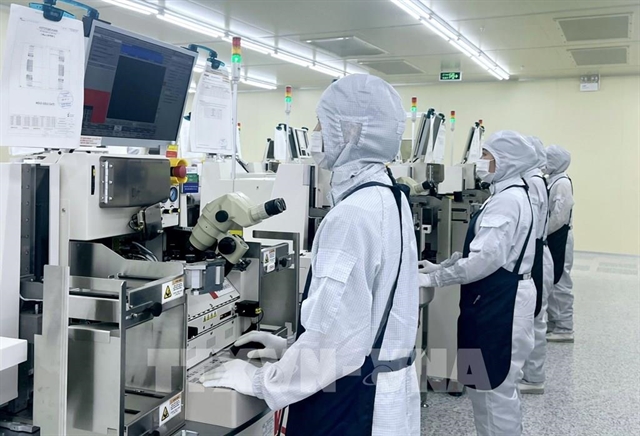
For example, in Việt Nam there's the Foxconn Industrial Internet Lighthouse project, which we can see what sort of amazing work they're doing and how they qualified to be part of that network.
That, combined with other ways to showcase their own innovative capabilities, will go a long way in terms of differentiating themselves from other competitive regions. — VNS
Economy
 Economy
 Economy
 Economy
 Economy
 Economy
 Economy
 Economy
 Economy
.jpg) Economy
Economy
 Economy
 Economy
 Economy
 Economy
 Economy