 Society

Việt Nam, Belgium seek to deepen bilateral cooperation
1.
|
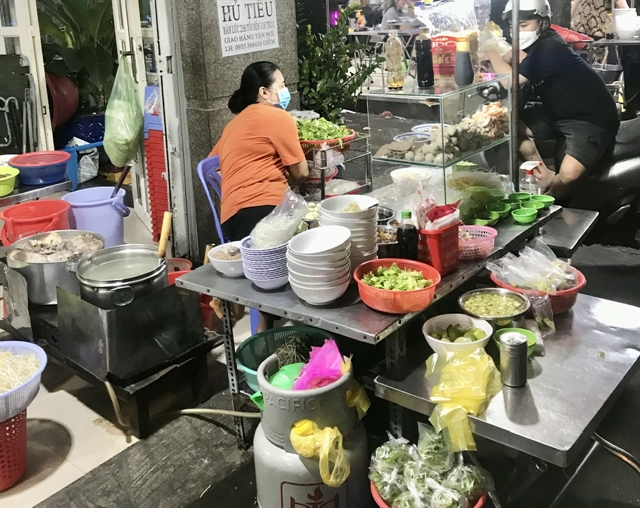
| A street-side hủ tiếu (noodle soup) stall operates in Khánh Hội Ward, HCM City. Authorities have ordered stricter enforcement of street food safety regulations across Việt Nam. — VNS Photo Bồ Xuân Hiệp |
HCM CITY — The Ministry of Health has ordered provinces and cities to intensify inspections of street food vendors nationwide, warning that violations of food safety rules could face fines of up to VNĐ3 million (US$115) and mandatory destruction of unsafe products.
The directive, issued Tuesday by the ministry’s Food Safety Department, calls for stricter enforcement as food consumption rises ahead of the Tết (Lunar New Year) holiday and amid an increase in reported food poisoning incidents in several localities.
Việt Nam’s street food culture is widely popular with both local residents and foreign tourists and remains a cornerstone of urban life and tourism. However, recurring food safety concerns persist, with authorities documenting numerous food poisoning cases over the years, some resulting in hospitalisation.
Officials said common violations include displaying uncovered food, using inadequate tables or storage equipment, and handling ready-to-eat meals without protective gloves. Such offences may incur administrative fines ranging from VNĐ500,000 to VNĐ1 million under existing regulations.
More serious breaches, including the use of unsafe water, unhygienic cooking utensils or food handlers suffering from infectious diseases, may face penalties of up to VNĐ3 million.
Authorities also warned against the use of unapproved or illegally repackaged food additives, which could trigger heavier sanctions and compulsory destruction of affected products.
Businesses involved in food safety incidents must provide full documentation on ingredient sources to support investigations and ensure traceability.
The measures are based on Government Decree 115/2018 and Decree 124/2024 on administrative penalties for food safety violations, along with Decree 117/2020 governing sanctions in the health sector.
Officials said this marks the first nationwide directive specifically urging local governments to step up enforcement targeting unsafe street food practices, reflecting growing public health concerns as demand for inexpensive roadside meals continues to rise.
Under current regulations, street food vendors are not required to obtain formal food safety certification but must comply with hygiene standards covering personnel, equipment, ingredients and preparation conditions, while food handlers must undergo basic safety training.
The ministry acknowledged that violations remain widespread among small-scale roadside vendors, with recurring issues including poor sanitation, lack of clean water, improper waste disposal and the use of low-cost ingredients of unclear origin. Improper storage of prepared foods such as pâté, processed meats and ready-to-eat dishes has also been identified as a key driver of foodborne illness.
Local authorities have been instructed to conduct joint inspections, strengthen post-inspection monitoring and publicly disclose serious violations to deter unsafe practices during the upcoming holiday and festival season.
Despite repeated crackdowns, many consumers remain skeptical about enforcement effectiveness, citing the continued presence of unhygienic street food stalls in major cities across the nation. — VNS
Society
 Society
 Society
 Society
 Society
 Society
 Society
 Society
 Society
 Society
 Society
 Society
 Society
 Society
 Society