|
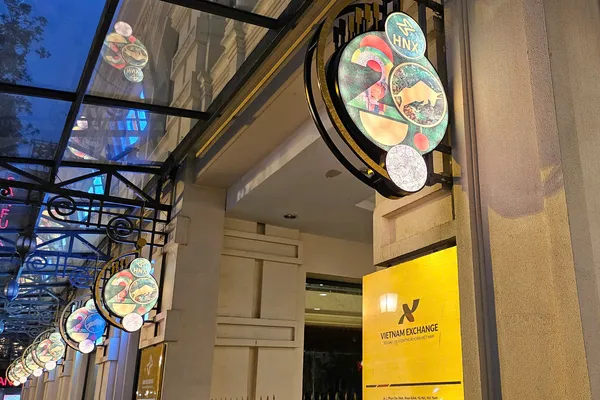
| A panel discussion as part of the “Innovation in Agriculture and Food” symposium, held in Hà Nội on December 3. — Photo courtesy of the organiser |
HÀ NỘI — Global experts have sounded a clear call for innovation in farming as Việt Nam hosts a high-level symposium on the future of smart and sustainable agriculture, a field now central to feeding a fast-growing world while protecting the planet.
World-leading experts discussed the future of smart and sustainable agriculture at the Innovation in Agriculture and Food symposium, held in Hà Nội on December 3.
The international forum took place within the Science for Life symposia under the framework of the 2025 VinFuture Sci-Tech Week, running in the capital city from December 2 to 6.
At the event, leading speakers shared their comprehensive perspective on humanity's greatest challenges in the 21st century, including ensuring food security, increasing productivity and reducing environmental impact.
According to the Food and Agriculture Organisation (FAO), by 2050, global agricultural production must increase by at least 70 per cent to meet the needs of nearly 10 billion people. Meanwhile, yields of many major crops are on the decline and up to half of current crops are not used directly for food.
In addition to the pressure on productivity, agriculture is also one of the largest emitters of greenhouse gases, with significant impacts on land, water, biodiversity and the quality of natural habitats.
Participants focused discussions on how to increase productivity sustainably as well as how to make agriculture more resilient to climate change.
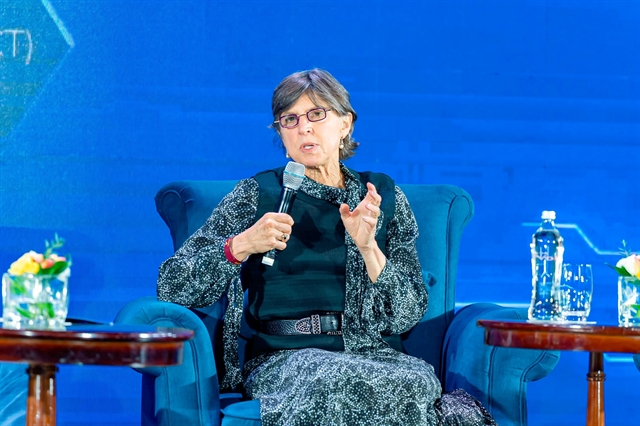 |
| Professor Pamela Christine Ronald, University of California, Davis (USA), speaks at the event. — Photo courtesy of the organiser |
Professor Pamela Christine Ronald, University of California, Davis (USA), member of the VinFuture Prize Council and a scientist who won the VinFuture Special Prize for Women Scientists in 2022, shared groundbreaking research on re-engineering rice plants to reduce methane emissions and adapt to climate change.
According to Professor Ronald, the agricultural sector contributes a large proportion of greenhouse gas emissions. Rice plants emit methane, accounting for 12 per cent of the world's total emissions. In a flooded soil environment, rice roots lack oxygen, creating conditions for anaerobic microorganisms to grow and produce methane.
Her team found that rice varieties carrying the PSY1 gene had faster growing root systems and, when tested under favourable conditions, reduced methane emissions by up to 40 per cent compared to conventional varieties.
From this study, she suggested that it is necessary to create crops that are beneficial to the environment, reduce emissions and thereby gradually increase productivity.
“To create more environmentally friendly crops, it is necessary to deeply analyse the soil microbial community and identify rice genes that control root secretions and interactions with soil microorganisms, which will create crops that are beneficial to the environment and reduce emissions,” said Professor Ronald.
However, Professor Ronald added that for the technology to become practical, new tools are needed to assess changes in soil carbon over long periods of time as well as large-scale trials across a wide range of soils and farming systems.
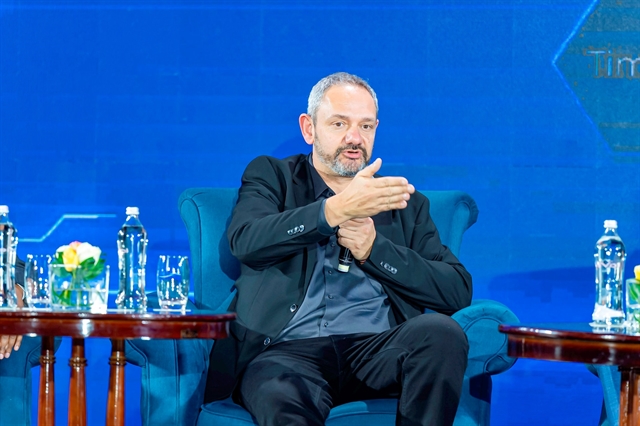 |
| Prof. Raphael Mercier, from the Max Planck Institute for Plant Genetics in Germany, speaks at the event. — Photo courtesy of the organiser |
Professor Raphael Mercier from the Max Planck Institute for Plant Genetics in Germany shared a new solution for creating asexual seeds, one of the important trends that aims to improve crop productivity.
In nature, some plant species, such as dandelions, can produce seeds without pollination. This reproductive mechanism helps the plant maintain the desired characteristics over many generations.
From there Professor Mercier's research team developed a technology to convert the meiosis division process into mitosis, allowing the creation of asexual seeds with the same genome as the mother plant.
According to Professor Mercier, this solution helps farmers use healthy F1 hybrid plants for many seasons without worrying about the quality of the parent plants while shortening the time to create pure lines. The technology is being tested on major crops such as rice, barley, soybeans and promises to be expanded to many other species, contributing to improving productivity and adapting to diverse soil and climate conditions.
Professor Mercier also emphasised that if widely deployed, asexual seed production technology could bring a breakthrough to global agriculture, especially in countries under great pressure on productivity and emissions, including Việt Nam.
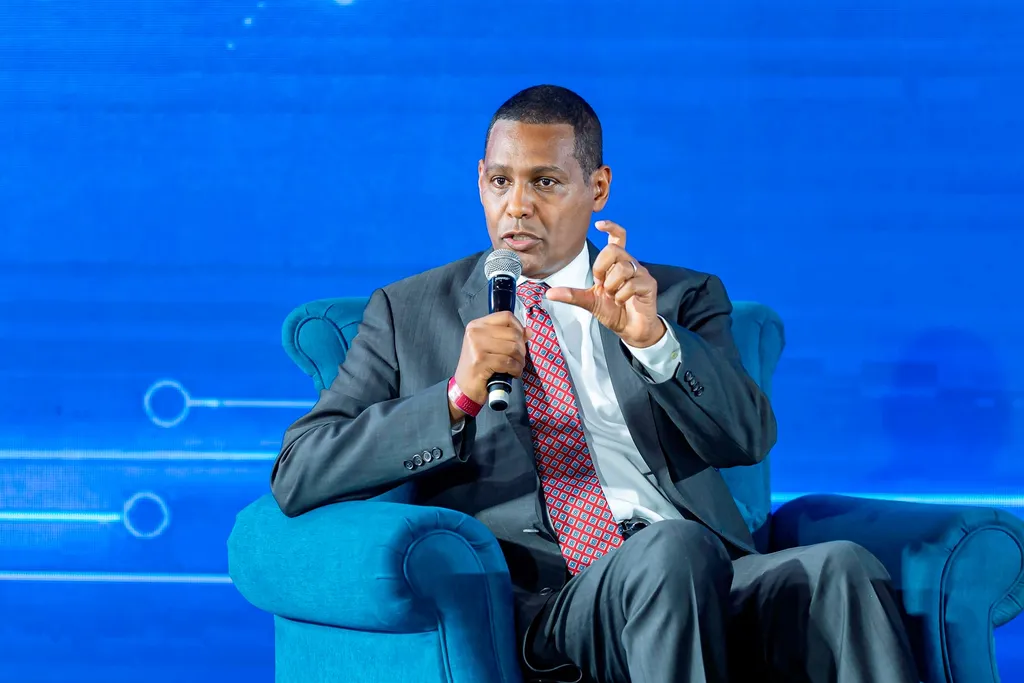 |
| Professor Ermias Kebreab, from the University of California, Davis (USA), speaks at the event. — Photo courtesy of the organiser |
Professor Ermias Kebreab, also from the University of California, Davis (USA), emphasised the role of smart farming in improving productivity, nutrition and circularity while reducing greenhouse gas emissions, especially in the Southern Hemisphere.
He also introduced solutions using local agricultural by-products such as Vietnamese forest tea, seaweed and cassava leaves and residues to process feed for dairy cows. Research results show that adding seaweed to the feed ration helps reduce methane emissions by 30–90 per cent while ensuring nutritional value and milk yield. Precise feeding and nutritional analysis are key factors to achieve optimal efficiency.
The panel discussions showed a common view: No single solution can solve the entire problem of food security and climate change. Only the integration of technologies from plant genetics, bio-peptides, asexual reproduction, intercropping, regenerative agriculture to smart livestock can create a breakthrough.
Scientists also highlight the role of soil microorganisms, genetic engineering, precision agriculture and AI in livestock and crop production. These solutions help optimise nutrition, reduce fertilisers and pesticides, thereby reducing pollution and increasing crop resilience.
Experts stressed the need to promote research funding, bridging technology and international cooperation to put experimental results into practice. They also agree that science and technology would be the key to unlocking sustainable agriculture, securing livelihoods for billions of people and protecting the planet for future generations. — VNS
 Society




.jpg)




.jpg)