 Politics & Law

Education in the age of AI: ensuring people remain in control
1.
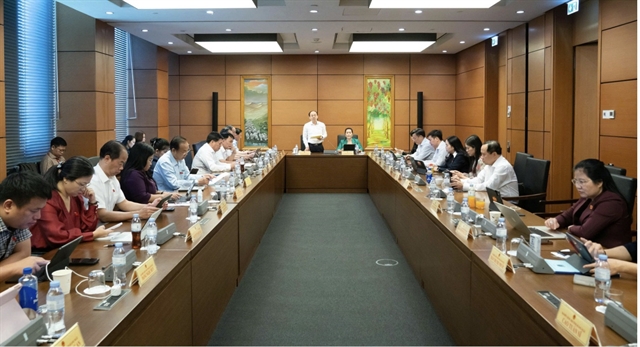 |
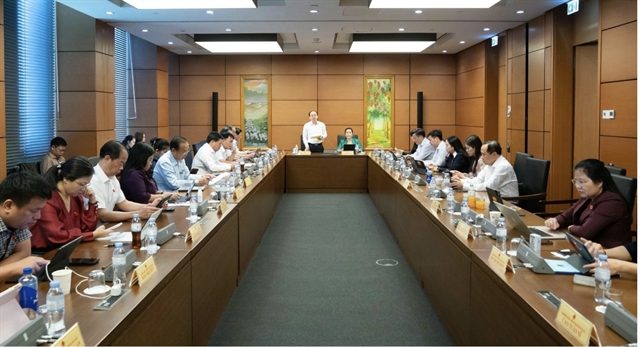
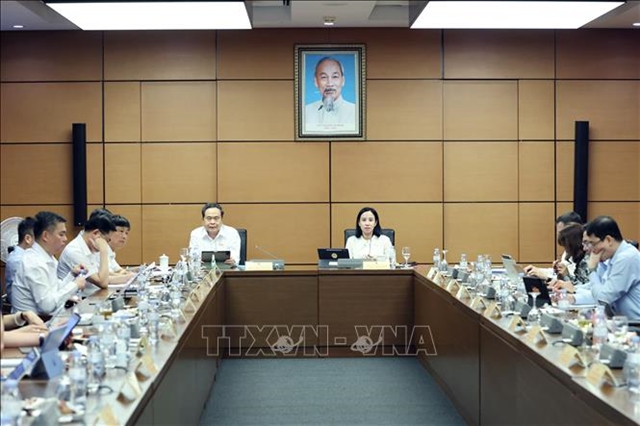
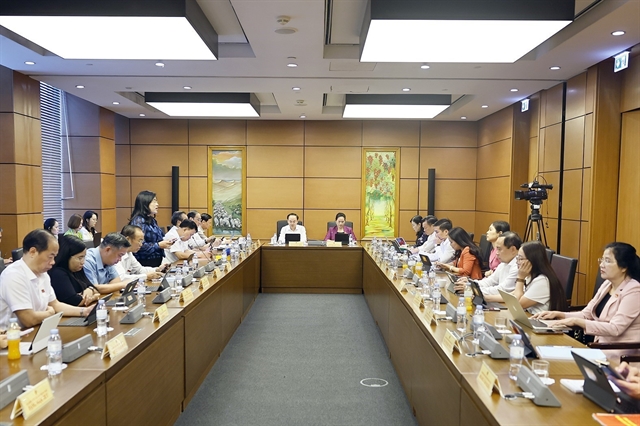
| The National Assembly group session discusses the draft law on tissue and organ donation. — Photo quochoi.vn |
HÀ NỘI — The draft amendments to the law on human tissue and organ donation, removal and transplantation, and body donation proposes expanding the sources of donated tissues and organs to increase transplant opportunities for patients.
Minister of Health Đào Hồng Lan presented the draft in the National Assembly (NA) group discussion session on Wednesday.
The draft law comprises seven chapters and 39 articles, including proposals to expand the sources of donated tissues and organs to increase transplant opportunities for patients.
Specifically, in addition to allowing people aged 18 and above to register as donors, the draft law introduces a provision permitting those under 18 to register with the written consent of their legal representative.
The draft also proposes allowing tissues and organs to be retrieved from people who have died following circulatory death, rather than limiting retrieval to cases of brain death as stipulated under current regulations.
Notably, the draft law proposes allowing the donation of injured or diseased body parts, such as limbs severed in accidents that cannot be reattached, so that tissues including tendons and bones can be recovered for transplantation into other patients.
In addition, the draft introduces provisions permitting tissue and organ retrieval from deceased people who did not register as donors but expressed their wish to donate before death, provided that a family member or legal representative gives written consent in accordance with regulations.
It also proposes broadening eligibility for registration on transplant waiting lists to include foreign nationals legally residing in Việt Nam.
The proposed amendment also expands the categories of permitted tissue donation. It would allow the donation of regenerative tissues, such as stem cells, blood and plasma, while prohibiting the donation of non-regenerative tissues, including the retina, sclera and heart valves.
Under the proposal, people aged 18 and above would be eligible to donate regenerative tissues. Those aged 15 to under 18 could donate regenerative tissues to family members only when no other suitable donor was available and all safeguards for protecting minors were met.
Lan said that the draft law also strengthens controls to prevent the trading of human tissues and organs and better protect donors.
Specifically, the draft stipulates that living donors giving organs to recipients who are not family members must be at least 25 years old. It also introduces requirements to verify donors’ identities and their relationships with recipients, as well as measures to ensure independent assessments of donor eligibility and independent counselling on donation and transplantation, particularly in cases involving people under 18, Lan said.
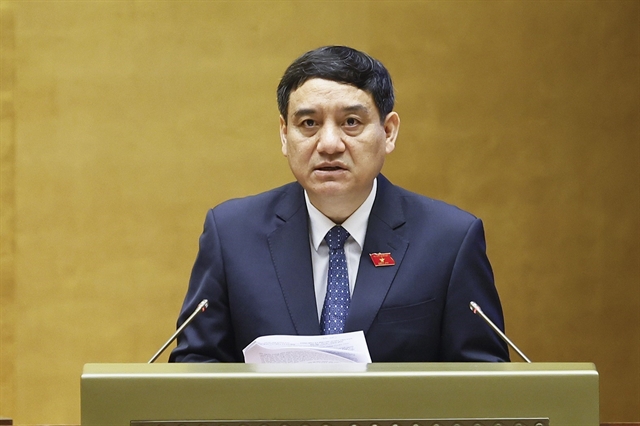
Chairman of the NA's Culture and Social Committee Nguyễn Đắc Vinh said that the draft law is a highly significant legislative project with profound humanitarian and ethical implications and directly concerns human rights and encompasses many complex and sensitive issues.
The committee supported expanding the scope of the draft law to include blood, cells, and products derived from tissues or cells, Vinh said.
Regarding the provision on "donation of human tissues, body parts, or a whole body by individuals under 18 years of age", this is a new policy aiming to create additional opportunities for treating patients, particularly paediatric patients, while also respecting the wishes of individuals under 18 and their families to make such donations. — VNS
Politics & Law
 Politics & Law
 Politics & Law
 Politics & Law
 Politics & Law
 Politics & Law
 Politics & Law
 Politics & Law
 Politics & Law
 Politics & Law
 Politics & Law
 Politics & Law
 Politics & Law
 Politics & Law
 Politics & Law