 Politics & Law

Understanding skin ageing key to more effective rejuvenation, dermatologist says
1.
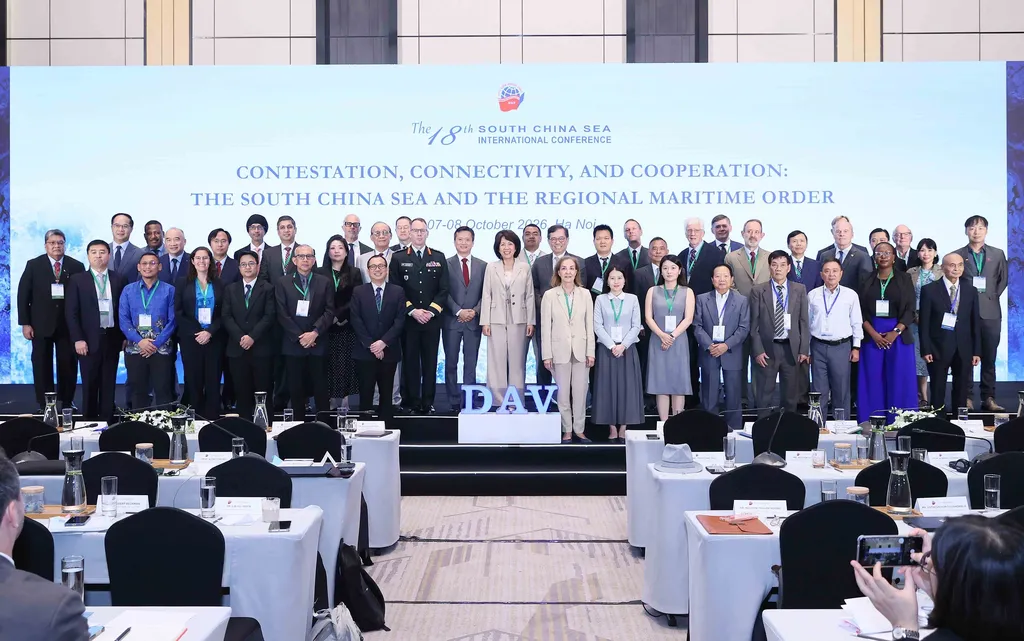 |
| Delegates at the 18th South China Sea International Conference with the theme “Contestation, Connectivity, and Cooperation: The South China Sea and the Regional Maritime Order”, which opened in Hà Nội on October 7. — VNA/VNS Photo |
HÀ NỘI — Greater communication, transparency, restraint and adherence to international law are essential to preventing misunderstandings at sea from escalating into incidents and, ultimately, crises, heard at 18th South China Sea International Conference in Hà Nội on Wednesday.
The message emerged as a common thread among the remarks of host and guests at the two-day convention, themed “Contestation, Connectivity, and Cooperation: The South China Sea and the Regional Maritime Order” this year, which brings together policymakers, diplomats, military representatives and scholars from Việt Nam, ASEAN, and countries beyond the region.
Experts and diplomats converged on one concern: as the South China Sea (known in Việt Nam as the East Sea) becomes increasingly crowded, technologically sophisticated and strategically contested, the margin for miscalculation is narrowing.
Dr. Nguyễn Hùng Sơn, president of the Diplomatic Academy of Việt Nam, said the conference had, over nearly two decades, sought to provide a forum where parties with different perspectives could listen to one another, exchange ideas and build trust.
He framed the East Sea not merely as a collection of territorial disputes, but as a shared concern involving peace, stability, international law and the global commons.
This approach is becoming increasingly important as maritime security itself changes, he said. Disruptions to major sea routes can rapidly affect energy supplies, shipping costs and livelihoods, while climate change, pollution and pressure on marine resources are adding new challenges.
At the same time, automation, artificial intelligence and undersea cables are transforming ports, logistics and maritime operations.
“The deeper our connectivity becomes, the more disruption in one place can create vulnerability elsewhere,” Sơn said in his opening remarks.
He identified the central challenge as finding ways to manage contestation while protecting the connectivity that underpins regional prosperity and creating more room for cooperation.
The conference, he said, should ask how contestation can be managed, how connectivity can be protected, how cooperation can be broadened even amid uncertainty, and ultimately how the East Sea can become “not a fault line of regional division” but a foundation for an inclusive regional maritime order.
Preventing incidents before they become crises
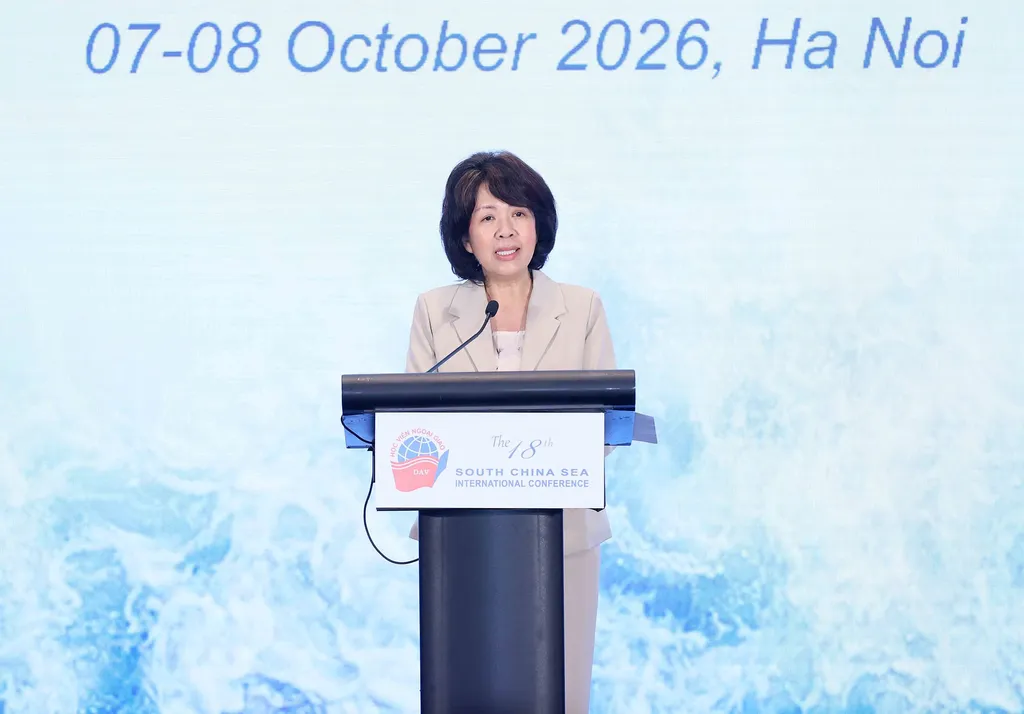 |
| Deputy Minister of Foreign Affairs Nguyễn Thị Hoàng Vân addressed the 18th South China Sea International Conference. — VNA/VNS Photo |
Deputy Minister of Foreign Affairs Nguyễn Thị Hoàng Vân placed the problem in a broader regional and global context, noting that the intersection of security, economics, technology and geopolitics is making the maritime domain simultaneously more important and more vulnerable.
The East Sea reflects these wider trends, she said, with a denser operational presence, expanding capabilities, new technologies and continuing close-range encounters creating a more crowded and less predictable environment.
The result is a potentially shorter distance between an incident and a crisis.
For Việt Nam, the answer is not to assume that strategic differences can be eliminated, but to develop mechanisms capable of managing them.
“Not every dispute can be resolved immediately, but many risks can be managed now,” she said.
Communication, transparency and practical confidence-building measures can prevent misunderstandings from becoming incidents and incidents from becoming crises, she argued.
For Việt Nam, international law – particularly the 1982 United Nations Convention on the Law of the Sea (UNCLOS) – provides the foundation for such predictability.
Vân stressed that rules matter most when reflected in actual behaviour. Rights must be accompanied by responsibilities, she said, while differences should be managed in ways that reduce misunderstanding and prevent escalation.
She also pointed to the ASEAN–China Declaration on the Conduct of Parties in the East Sea and negotiations towards an effective and substantive Code of Conduct as mechanisms that can contribute to confidence-building and risk reduction.
But cooperation should not be limited to dispute management, and must be extended towards practical areas such as maritime safety, environmental protection, sustainable use of marine resources and the resilience of critical maritime infrastructure, which can help build up trusts.
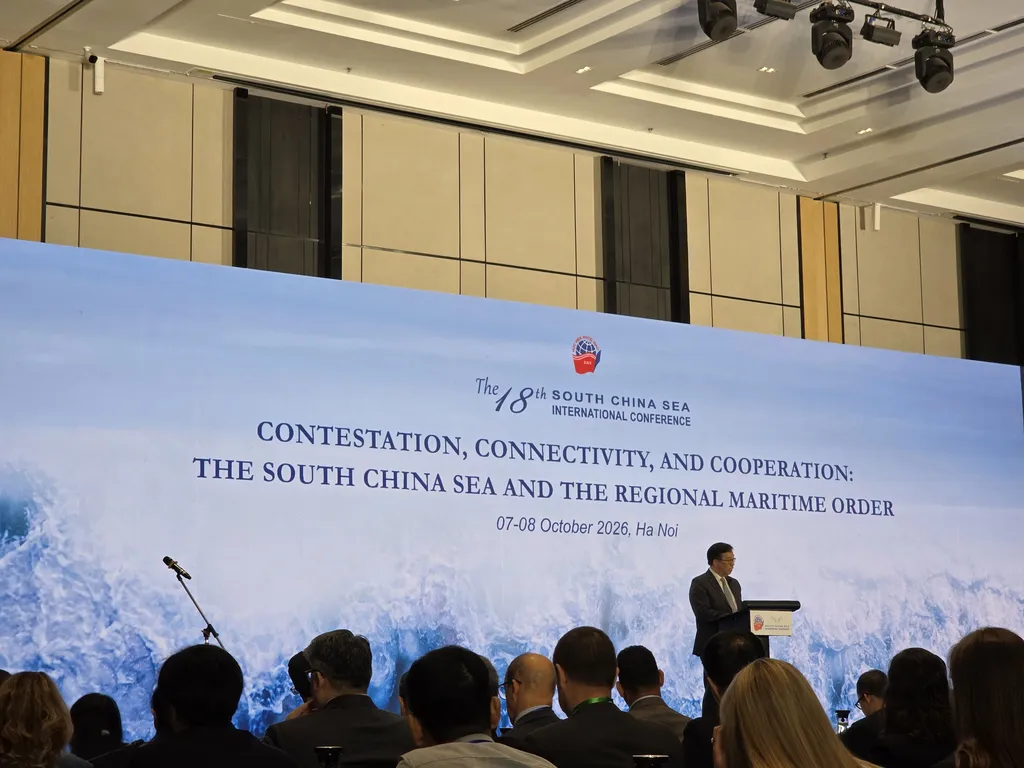 |
| Philippine Undersecretary of Foreign Affairs Leo M. Herrera-Lim addressed the 18th South China Sea International Conference. — VNS Photo Trọng Kiên |
Philippine Undersecretary of Foreign Affairs Leo M. Herrera-Lim, who is also an ASEAN Philippines Senior Officials' Meeting (SOM) Leader while the Philippines holds the ASEAN Chairmanship this year, highlighted the rule of law, arguing that contestation, connectivity and cooperation must be anchored in predictable rules.
For the Philippines, UNCLOS and the 2016 South China Sea Arbitral Award remain key reference points.
The Philippines and Việt Nam, he said, have developed mechanisms for preventing and managing incidents, including their joint working group on maritime and oceans concerns, a 2024 memorandum of understanding on incident prevention and management in the East Sea, and growing cooperation between their coast guards.
Hotlines, reciprocal port visits, officer exchanges, marine scientific research and environmental cooperation demonstrate how mechanisms can translate diplomatic commitments into practical safeguards.
Herrera-Lim also cited instances in which Vietnamese and Philippine maritime personnel had assisted sailors and fishermen in distress, describing such actions as evidence of solidarity that transcends political differences.
Communication must exist before the crisis
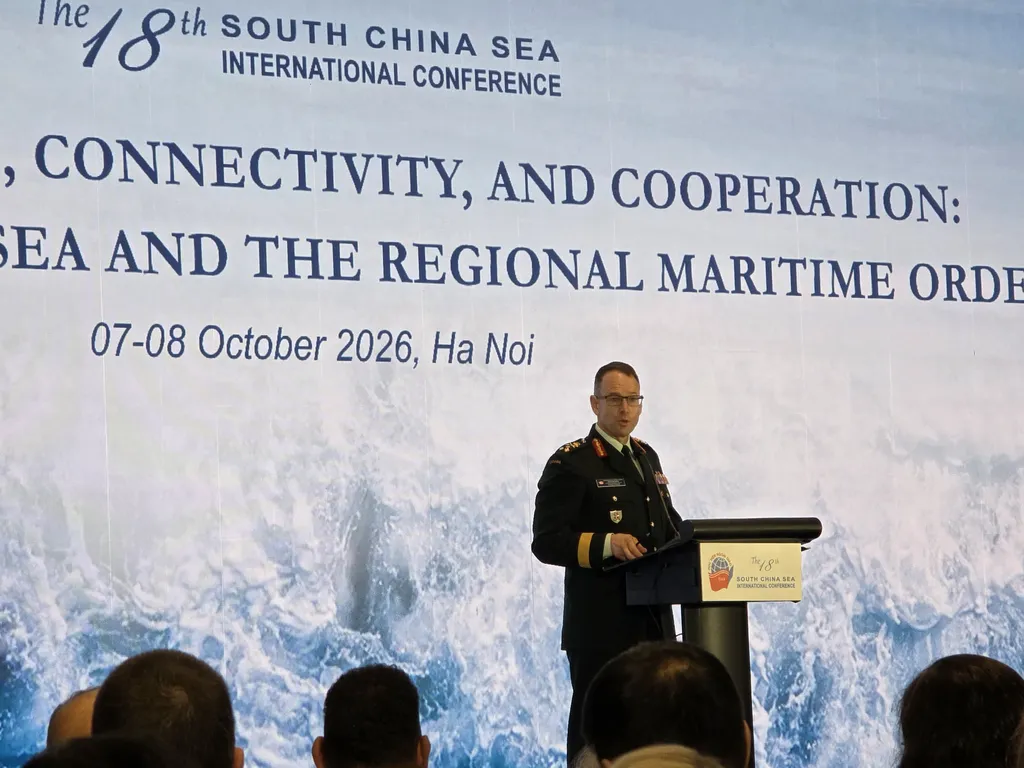 |
| Lieutenant-General Derek A. Macaulay, Canada's Senior Military Representative to the Indo-Pacific, spoke at the 18th South China Sea Conference. — VNS Photo Trọng Kiên |
Lieutenant-General Derek A. Macaulay, Canada's Senior Military Representative to the Indo-Pacific, said many maritime incidents do not begin with an intentional decision to escalate.
Instead, they can start with two crews operating in close proximity, uncertain about each other's intentions and facing only a limited window in which to make the correct decision – which necessitates communication efforts.
“Communication channels must exist before a crisis because they cannot be improvised in the middle of one,” he said, against the backdrops of the increasing number and variety of vessels operating in regional waters. Navies, coast guards, fishing fleets, research vessels, commercial shipping and uncrewed systems are operating in a progressively complex maritime environment.
Keeping communication open even when governments disagree should be considered part of the professional responsibility of military forces, the Canadian official noted, adding that Canada's own approach is to maintain a long-term regional presence while supporting dialogue, diplomacy and ASEAN-centred mechanisms rather than confrontation.
Transparency as a tool for crisis prevention
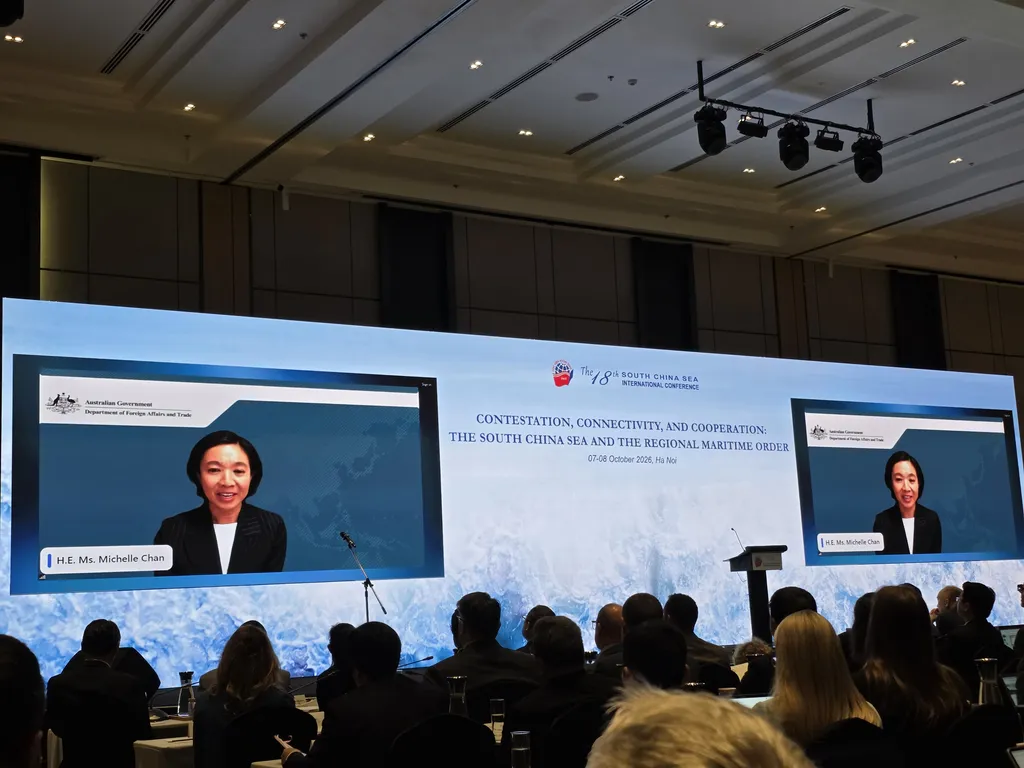 |
| Australia's Deputy Secretary of Foreign Affairs and Trade Michelle Chan gave an address to the 18th South China Sea International Conference via videoconference. — VNS Photo Trọng Kiên |
Australia's Deputy Secretary of Foreign Affairs and Trade Michelle Chan similarly held that international law is particularly important in an environment where power is unequal because it protects the rights of states regardless of their size.
She stressed that responsible maritime conduct means respecting the lawful rights of others and ensuring that competition does not escalate into conflict, and one practical measure is timely two-way information sharing on maritime incidents and developments.
Countries need an accurate picture of what is happening at sea if they are to exercise their rights, protect their interests and respond in ways that reduce rather than increase escalation risks, she said.
Greater transparency can reduce uncertainty, strengthen maritime domain awareness and enable governments to make better-informed decisions.
The point is significant because miscalculation can arise not only from hostile intent, but from incomplete or inaccurate information about another actor's intentions, and in that sense, transparency becomes a form of preventive security, according to the Australian official.
Chan also highlighted the role of ASEAN-led institutions in bringing regional countries and major powers together, building habits of dialogue and reinforcing expectations of responsible conduct.
Australia is supporting maritime security and legal-capacity building, information sharing, training and marine science cooperation with regional partners, including Việt Nam. — VNS
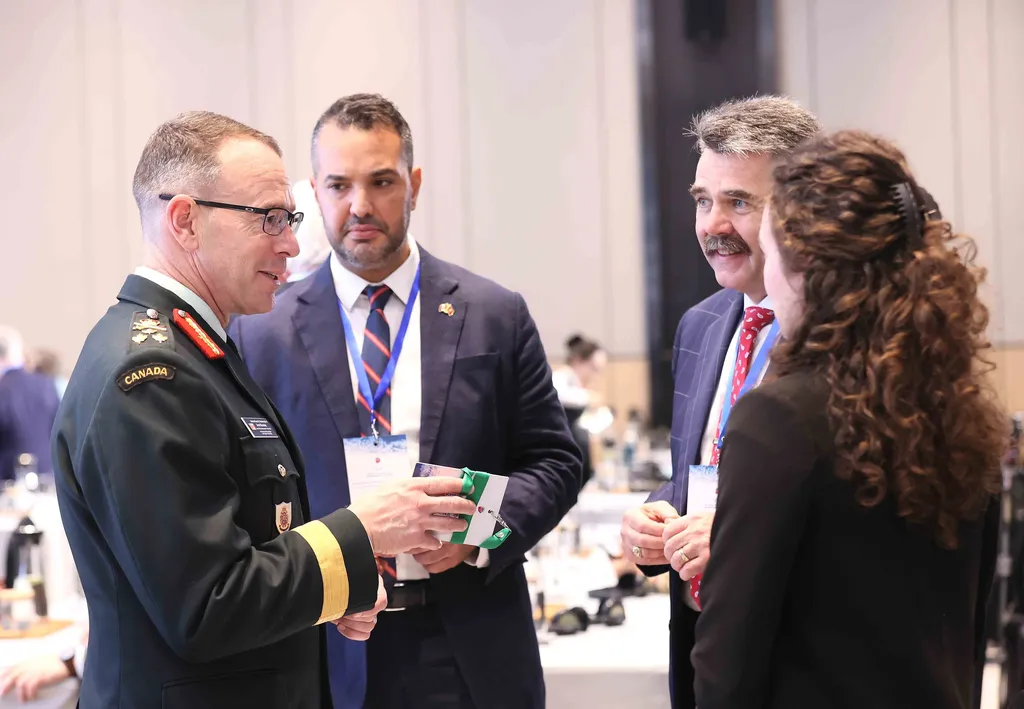 |
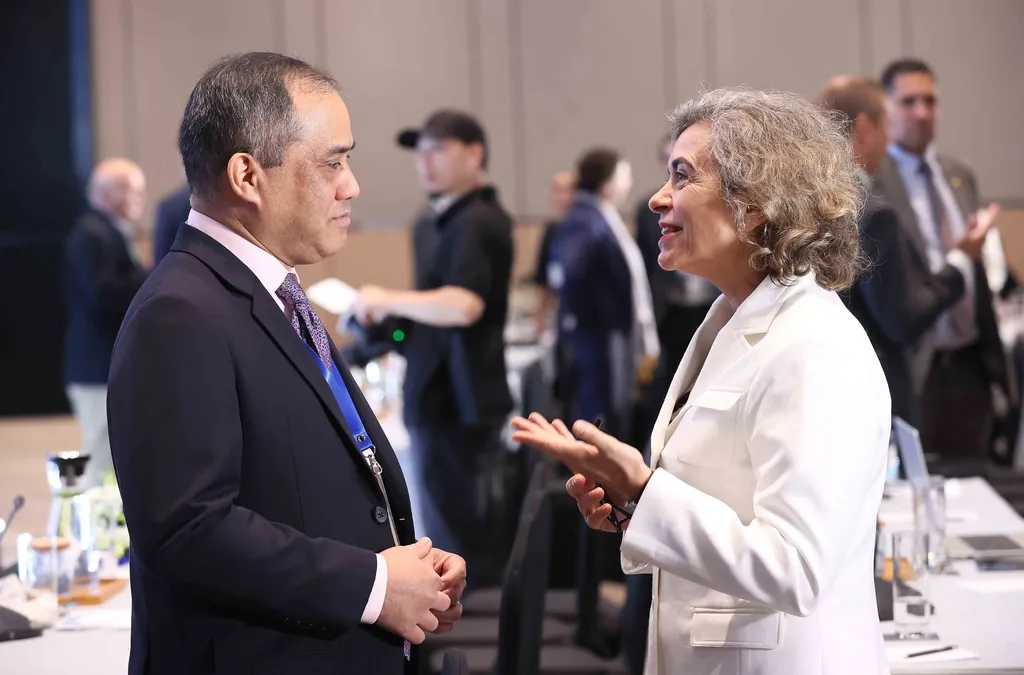
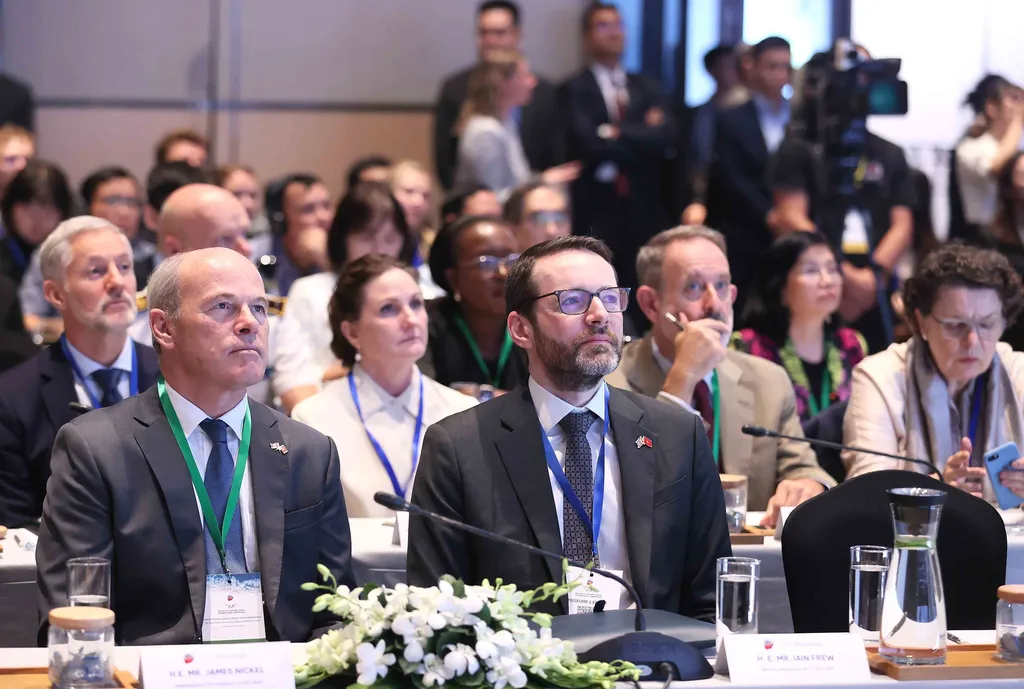
| Delegates at the 18th South China Sea International Conference. |
 |
 |
Politics & Law
 Politics & Law
 Politics & Law
 Politics & Law
 Politics & Law
 Politics & Law
 Politics & Law
 Politics & Law
 Politics & Law
 Politics & Law
 Politics & Law
 Politics & Law
 Politics & Law
 Politics & Law
 Politics & Law