 Politics & Law
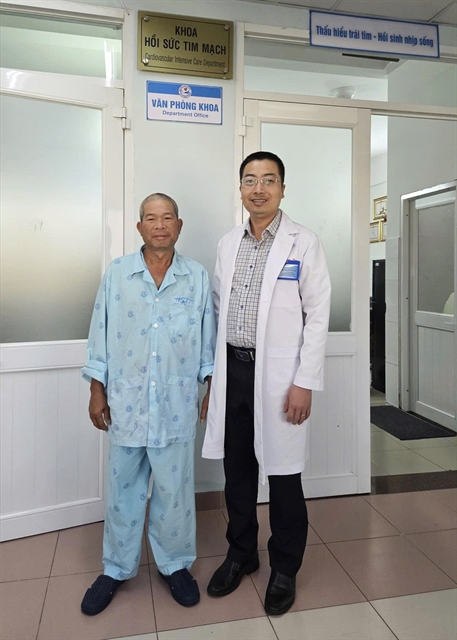
HCM City doctors save heart attack patient after 30-minute cardiac arrest
1.
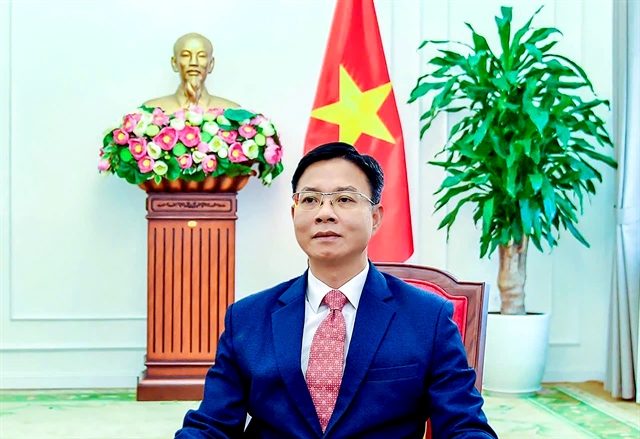
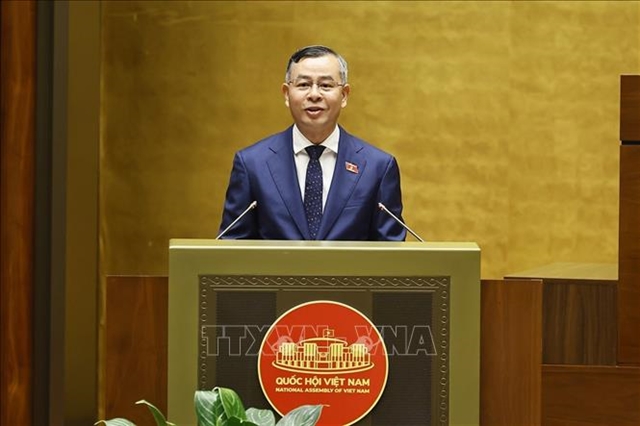
Deputy Minister of Foreign Affairs Ngô Lê Văn speaks to the media about the signifiance of Polish Prime Minister Donald Tusk's official visit to Việt Nam.
|
| Deputy Minister of Foreign Affairs Ngô Lê Văn. — VNA/VNS Photo |
Could you please elaborate on the significance of the visit, which took place from October 24 to 26?
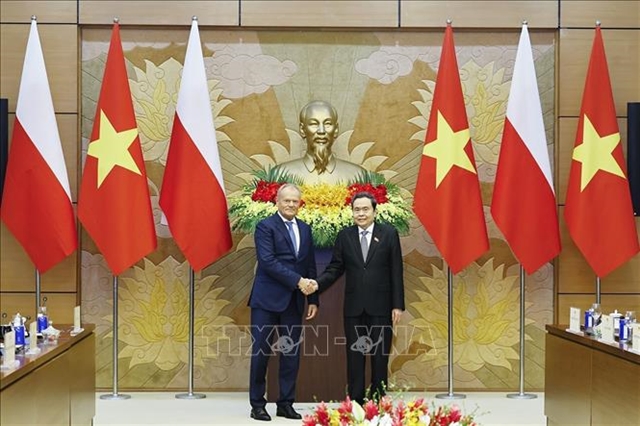
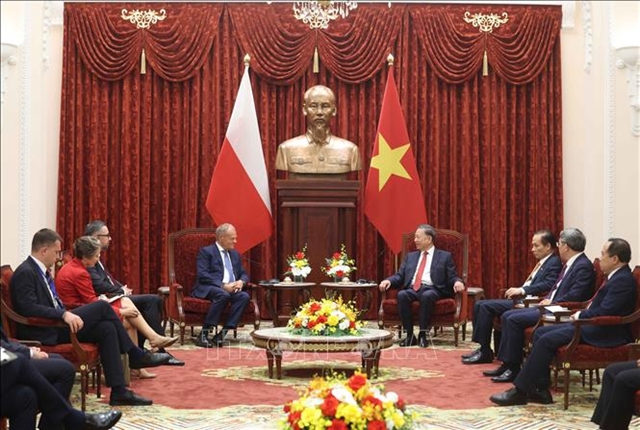
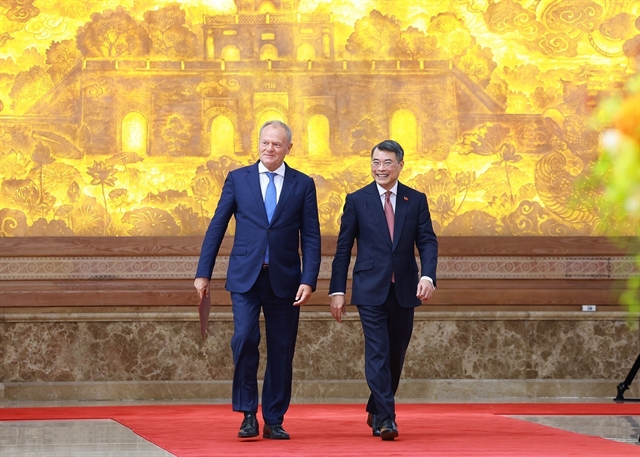
At the invitation of Prime Minister Lê Minh Hưng, Polish Prime Minister Donald Tusk paid an official visit to Việt Nam from October 24 to 26, which marked a significant milestone in the 76-year history of diplomatic relations between the two nations. Returning to Việt Nam after 16 years, Prime Minister Donald Tusk and Vietnamese leaders decided to elevate the bilateral relationship to a Strategic Partnership, ushering in a new phase of cooperation built upon a foundation of traditional friendship and political trust – a foundation nurtured by successive generations.
The significance of this visit is reflected in four key aspects. First, it elevates the relationship between these two traditionally friendly nations to a Strategic Partnership, which demonstrates the high value both countries place on deepening political trust, aligning interests and expanding cooperation. Việt Nam views Poland as a top-priority partner in Central and Eastern Europe, while Poland regards Việt Nam as a leading partner in Southeast Asia and one of its most important partners in Asia.
The visit also expands development opportunities for both nations. Poland’s strengths in industry, science, technology, education, and the maritime economy align well with Việt Nam’s own development needs. Combining these strengths with Việt Nam’s market, production capacity, and position within the regional supply chain will create further opportunities for businesses in both countries, while simultaneously strengthening the connectivity between ASEAN and the European Union.
It also provides momentum to translate friendship into tangible cooperative outcomes. To implement the Joint Declaration on the establishment of a Strategic Partnership, both sides have adopted an Action Plan for the 2026–30 period, outlining priorities for this new framework's operations. This also strengthens Việt Nam’s foreign policy of independence, self-reliance, multilateralisation and diversification – a policy that consistently places high value on traditional partners and friends.
Finally, the visit strengthens Việt Nam’s network of partners in Europe and provides fresh impetus for Việt Nam–EU relations as it follows closely the visit to Denmark, the European Union (EU) and Belgium by General Secretary and President Tô Lâm, after Việt Nam and the EU had elevated their relationship to a Comprehensive Strategic Partnership in January. The establishment of a Strategic Partnership with Poland sustains this positive momentum, deepening Việt Nam’s ties with key European partners while laying a stronger foundation for increasingly substantive and effective cooperation between Việt Nam and the EU.
What are the key outcomes of the visit? What steps will both sides take to implement these results?
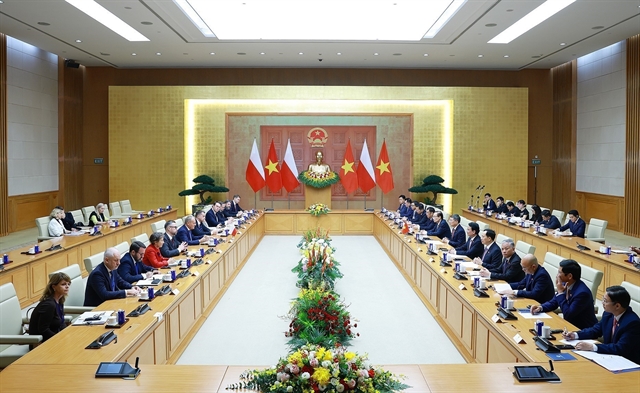
In addition to the significant establishment of a Việt Nam-Poland Strategic Partnership and the adoption of 2026-30 Action Plan, both sides reached a strong consensus on the goals and directions for cooperation, aimed at making the bilateral relationship more substantive.
Through discussions with Việt Nam’s senior leadership, both sides affirmed their commitment to maintaining regular contact at all levels and through all channels – especially at the high level – and to enhancing the effectiveness of cooperation mechanisms. This includes resuming the meetings of the Intergovernmental Committee on Economic Cooperation and continuing political consultations at the Deputy Foreign Minister level. Parliamentary cooperation will also contribute to refining the legal framework and overseeing the implementation of agreements.
|
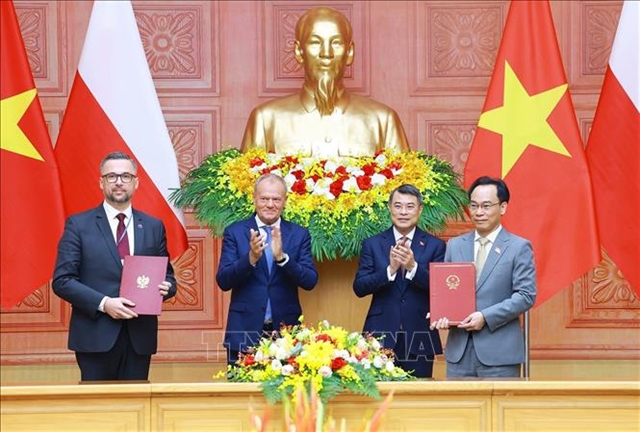
| Prime Minister Lê Minh Hưng and his Polish counterpart Donald Tusk witness the signing of a cooperation agreement between Việt Nam's Ministry of Education and Training and Poland's Ministry of Science and Higher Education on higher education and scientific research, in Hà Nội on October 26. — VNA/VNS Photo Dương Giang |
Both sides agreed to strive for a bilateral trade turnover of US$6 billion by 2030, ensuring a balanced, sustainable and mutually beneficial outcome. This involves effectively leveraging the EU-Việt Nam Free Trade Agreement (EVFTA) to reduce barriers and facilitate market access for each other’s goods. Both nations will encourage flagship investment projects in sectors with complementary strengths such as processing and manufacturing, information technology, pharmaceuticals, energy and logistics, which will help leverage the country’s role as a gateway to the ASEAN and EU markets.
They also agreed to strengthen collaboration in science and technology, innovation and digital transformation by promoting connections between universities, research institutes and businesses, and by linking education with research, technology transfer and production needs. The development of the maritime economy, clean energy and high technology creates opportunities for long-term cooperation. Defence and security cooperation continues to be advanced in a manner aligned with the needs and capabilities of each side, with a focus on the defence industry and the prevention and combating of transnational and high-tech crimes.
The two PMs witnessed the exchange of two cooperation documents in the fields of higher education and tourism. Both sides welcomed the resumption of direct flights by LOT Polish Airlines, which will facilitate tourism, business and people-to-people exchanges. They also agreed to continue creating favourable conditions for citizens of each country to reside, work and study, while leveraging the role of the Vietnamese community in Poland as a bridge between the two nations.
Both sides also reaffirmed the central role of the United Nations, upheld international law, and emphasised the resolution of disputes through peaceful means. They underscored the importance of peace, stability, security, cooperation, and development, both regionally and globally, and stressed the need to ensure safety and freedom of navigation and overflight in the South China Sea in accordance with international law, particularly the 1982 UNCLOS. The two countries also agreed to promote cooperation within the frameworks of Việt Nam–EU, Poland–ASEAN and ASEAN–EU relations.
To implement these outcomes, the primary focus will be to translate the 2026-30 Action Plan into specific tasks, programs, and projects with clearly defined lead agencies, required resources, timelines and expected results. Both sides would prioritise feasible projects with significant, far-reaching impact, and regularly review progress to promptly address any obstacles.
The measure of success for the Strategic Partnership framework lies in the commitments fulfilled, the projects implemented and the tangible benefits for the people and businesses of both nations. Building upon a solid foundation of friendship and the firm resolve of the leaders of both countries, we have every reason to believe that the relationship between Việt Nam and Poland will reach new heights, commensurate with its true potential and significance. — VNS
Politics & Law
 Politics & Law
 Politics & Law
 Politics & Law
 Politics & Law
 Politics & Law
 Politics & Law
 Politics & Law
 Politics & Law
 Politics & Law
 Politics & Law
 Politics & Law
 Politics & Law
 Politics & Law
 Politics & Law