 Opinion
Đồng Tháp identifies marine economy as growth lever under Resolution 20
1.
|
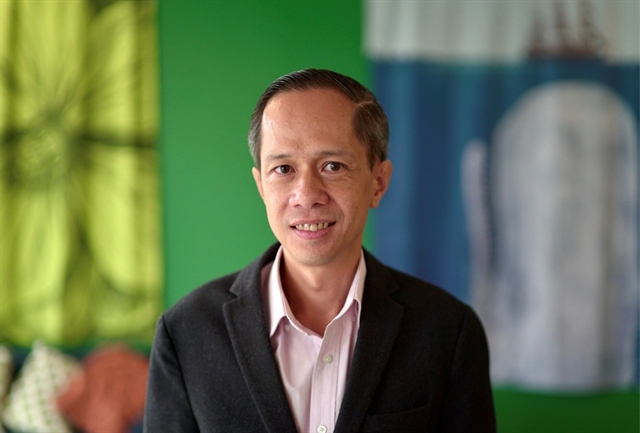
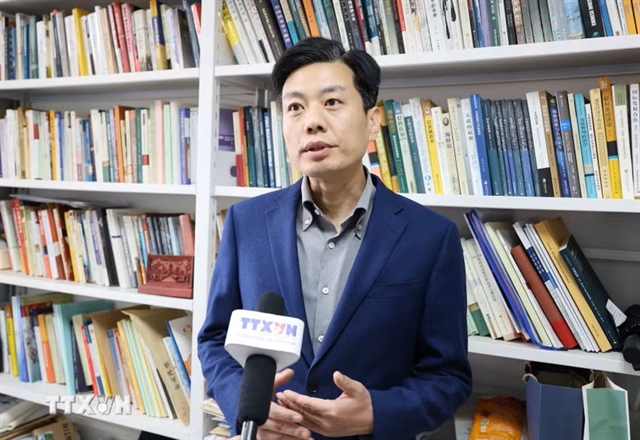
| Dr Phạm Đình Trực, known abroad as Truman Pham, member of the Academic Board and Learning Designer at The Open Polytechnic of New Zealand. Photo courtesy of Truman Phạm |
Resolution 23-NQ/TW, recently issued by the Communist Party of Việt Nam, marks a shift in the conceptual framework of overseas Vietnamese (OVs) affairs. The approach has evolved from "mobilising and caring for" the community to "accompanying the community and creating mechanisms" that allow OVs to engage more deeply in the nation's integration and development. To learn how overseas Vietnamese view the Resolution, Việt Nam News reporter Nguyễn Khánh Chi spoke to Dr Phạm Đình Trực, known abroad as Truman Pham, a member of the Academic Board and a Learning Designer at The Open Polytechnic of New Zealand, the inaugural chair and a current Executive Council member of the Education Technology Association of New Zealand.
With advances in science and technology, the 'space' for contribution is no longer limited by physical geography. In your opinion, how should the State provide support to facilitate the formation of digital networks for overseas Vietnamese experts and intellectuals, enabling them to effectively contribute their expertise and resources to the nation’s development?
Online meetings, webinars, and asynchronous collaboration through email, Google Docs, and group messaging platforms such as Zalo and Messenger have become commonplace over the past several years. The growing availability of AI assistants has further enhanced the ability of people in different locations to collaborate. As a result, collaboration between Vietnamese professionals overseas and government officials, academics, and industry experts in Việt Nam is now considerably easier through digital platforms.
However, my experience working in New Zealand’s technology ecosystem has shown that strong relationships are fundamental to the success of multidisciplinary, cross-sectoral, and multicultural collaboration. Similarly, through my experience with online and blended education in New Zealand, I have found that online interactions alone are often insufficient to establish the trust and relationships required for sustainable and constructive collaboration. A balanced approach combining digital engagement with regular face-to-face interaction would therefore help overseas Vietnamese experts and intellectuals make more effective and lasting contributions to Việt Nam’s economic and technological development.
Strengthening both government-to-government and people-to-people connections between Việt Nam and New Zealand would provide an important foundation for this collaboration, creating opportunities for knowledge exchange, professional networks, technology transfer, and longer-term partnerships.
One of the most notable aspects of the Resolution is the spirit of 'accompanying and listening.' Could you please share your views on this approach?
The spirit of “accompanying and listening” is a significant strength of Resolution 23-NQ/TW. Effective communication is fundamental to building meaningful collaboration and engagement. By actively listening to and continuously accompanying Vietnamese communities overseas throughout their life and career journeys in their second home countries, the Vietnamese Government can send a strong and consistent message of support, particularly to professional networks.
This approach can also contribute to a more effective talent management strategy by strengthening the Government’s ability to attract, engage, and retain Vietnamese talent overseas and encourage their continued contribution to the country’s development.
The Resolution emphasises that the integration of the overseas Vietnamese community into their host societies is a way to augment Việt Nam's overall strength. What is the practical significance of this perspective for the country’s foreign relations?
The Government’s support for the integration of Vietnamese communities into the societies in their countries of residence demonstrates a strong commitment to supporting Vietnamese people living overseas. This approach is both practical and closely aligned with the needs and aspirations of overseas Vietnamese.
Successful integration into their second home countries can significantly improve not only the financial wellbeing of overseas Vietnamese but also their career prospects. Greater professional success can, in turn, enhance their reputations, expand their networks, and increase their access to international knowledge, expertise, and opportunities. Over time, these experiences and capabilities can be shared with and applied in Việt Nam, enabling overseas Vietnamese to make greater contributions to the country’s economic, technological, and social development.
Highly regarded and well-connected Vietnamese communities overseas can also contribute to promoting a positive image of Việt Nam and the Vietnamese Government. Their professional achievements, community engagement, and international networks can strengthen Việt Nam’s soft power and support its broader diplomatic and international engagement efforts. VNS
Opinion
 Opinion
 Opinion
 Opinion
 Opinion
 Opinion
 Opinion
 Opinion
 Opinion
 Opinion
 Opinion
 Opinion
 Opinion
 Opinion
 Opinion