Two Australian entertainment names revealed behind the scenes of Symphony of the Sea Season 3 in Phú Quốc
1.
|
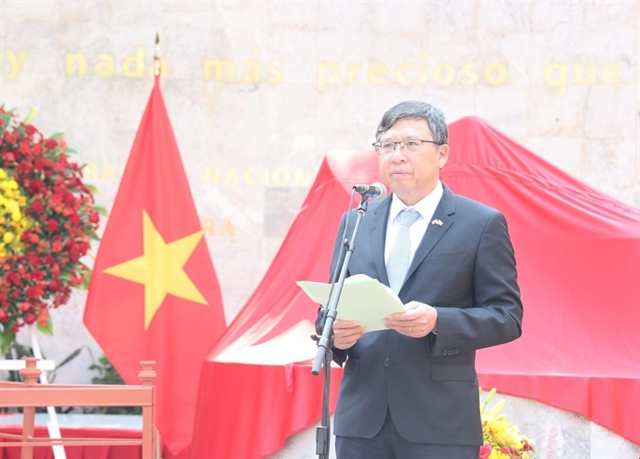
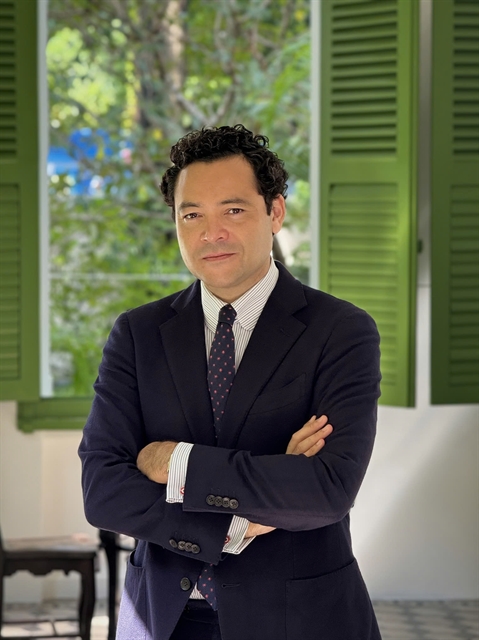
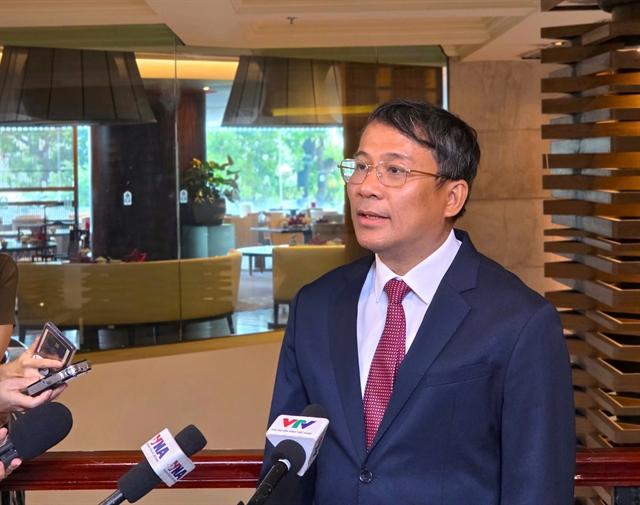
| Nguyễn Văn Hải, Vietnamese Ambassador to Mexico and concurrently to Panama. — VNA/VNS Photo |
HÀ NỘI — Việt Nam and Panama are presented with new opportunities to deepen bilateral ties and translate their cooperation potential into tangible results, following more than half a century of diplomatic relations (1975–2025).
That was the message from Nguyễn Văn Hải, Vietnamese Ambassador to Mexico and also to Panama, in an interview with Vietnam News Agency on the occasion of Panamanian President José Raúl Mulino’s official visit to Việt Nam.
Hải said the visit was particularly important as it marked the highest-level exchange between the two countries in nearly 15 years, since Panamanian President Ricardo Martinelli’s visit to Việt Nam in 2012. Coming shortly after the 50th anniversary of diplomatic ties, it reflected both sides’ strong commitment to opening a new chapter in bilateral relations.
Despite geographical distance, Việt Nam and Panama have maintained friendly ties, expanded cooperation across various fields and supported each other at multilateral forums. Preparations for the visit included a meeting between the two foreign ministers on the sidelines of the 59th ASEAN Foreign Ministers’ Meeting in the Philippines on July 24, 2026, and the second political consultation in Việt Nam later that month.
According to the ambassador, the visit could generate progress in three key areas. First, it would provide high-level political momentum to turn shared priorities into action plans, projects and concrete outcomes. Second, it would promote economic, trade and investment cooperation in agriculture, banking, telecommunications, infrastructure, maritime transport, education and other promising fields. Third, agreements expected to be signed during the visit would establish a stronger legal foundation for stable, long-term cooperation.
He stressed that the visit’s success would depend on effective follow-up. Relevant agencies should promptly implement agreements and initiatives agreed by senior leaders while making better use of existing mechanisms, including political consultations and the Joint Commission on Economic, Trade and Investment Cooperation.
Expanding trade through complementary strengths
Hải highlighted the complementary strengths of the two economies as a key driver of mutually beneficial cooperation.
Việt Nam has growing manufacturing, processing and export capabilities, supported by an open economy, and can help Panamanian businesses access ASEAN and Asia-Pacific markets. Panama, meanwhile, has a strategic geographical position, the Panama Canal, major seaports, logistics infrastructure and internationally competitive trade services.
According to Việt Nam Customs, bilateral trade reached US$478.1 million in 2025, up 19.2 per cent from 2024. Việt Nam exported $462.6 million worth of goods to Panama, mainly footwear, phones and components, computers and electronic products, garments and textiles, transport vehicles and spare parts, and seafood. Imports from Panama totalled $15.5 million, primarily timber, seafood and raw materials.
Despite the growth, bilateral trade accounted for less than 0.1 per cent of Việt Nam’s total trade and around 3 per cent of Panama’s in 2025, indicating considerable room for expansion and diversification.
Beyond being a potential market, Panama could serve as a gateway for Vietnamese businesses seeking to expand into Latin America and the Caribbean. The Panama Canal connects more than 180 shipping routes, around 170 countries and 1,900 ports worldwide. The Colón Free Trade Zone is also a major regional trading hub, supported by extensive logistics, warehousing and re-export networks.
To unlock this potential, both countries should strengthen direct business connections, improve understanding of market demand and regulations, facilitate customs procedures and trade, develop common standards and establish long-term distribution partnerships. Regular trade promotion missions, business forums and investment-matching activities would also help drive cooperation.
Broadening people-to-people and institutional ties
The ambassador also called for stronger parliamentary diplomacy, local-level cooperation, cultural exchanges and business networks to create a solid social foundation for bilateral relations.
Parliamentary exchanges between legislative leaders and specialised committees should be expanded, alongside experience-sharing on maritime economy, logistics, trade, cybersecurity, digital transformation, tourism, education, gender equality, the environment and sustainable development. Establishing bilateral friendship parliamentary groups would provide an effective channel for information exchange and closer coordination with governments, localities and businesses.
At the local level, provinces and cities with complementary strengths in logistics, seaports, agriculture, tourism and education could establish partnerships and develop practical projects that directly benefit communities and businesses.
For the business sector, the focus should shift from occasional promotion events to sustained networking. The Joint Commission on Economic, Trade and Investment Cooperation could play a greater role in resolving specific obstacles and connecting industry associations and companies in logistics, ports, banking, agriculture and technology.
At the multilateral level, Việt Nam and Panama share an interest in upholding multilateralism, free trade and international law. They should strengthen coordination on climate change, environmental protection, food security, sustainable development, maritime safety and transnational crime, while continuing mutual consultation and support at the United Nations. Both could also serve as bridges for cooperation with regional organisations, including ASEAN and APEC in Asia-Pacific, and CELAC and SICA in Latin America and the Caribbean.
Building lasting bonds through culture, education and tourism
Hải described people-to-people diplomacy as essential to sustaining friendship between the two nations. Existing cultural and educational exchanges have helped improve mutual understanding, including cooperation between the Panamanian Embassy in Việt Nam and the Spanish Department of Hà Nội University, exhibitions and Việt Nam Days in Panama.
In the coming years, the two countries should expand student, lecturer and researcher exchanges, increase scholarship opportunities, promote Spanish-language teaching in Việt Nam and encourage direct partnerships between universities.
Cultural activities, including Vietnamese cultural days or weeks in Panama and events showcasing Panamanian culture in Việt Nam through cuisine, films, exhibitions, handicrafts and interactive experiences, should also be held more regularly.
Tourism offers further opportunities, given both countries’ rich natural and cultural heritage. The two sides should step up destination promotion, connect travel businesses and develop joint tour packages, particularly in ecotourism and community-based tourism.
The ambassador emphasised that stronger mutual understanding and broader engagement would provide a firm social foundation for Việt Nam–Panama relations to grow in a stable, sustainable and long-term manner. — VNS
 Opinion
 Opinion
 Opinion
.jpg) Opinion
Opinion
 Opinion
 Opinion
 Opinion
 Opinion
 Opinion
 Opinion
 Opinion
 Opinion
 Opinion
 Opinion