 Opinion
Việt Nam–Belgium partnership entering new phase of strategic significance: diplomat
1.
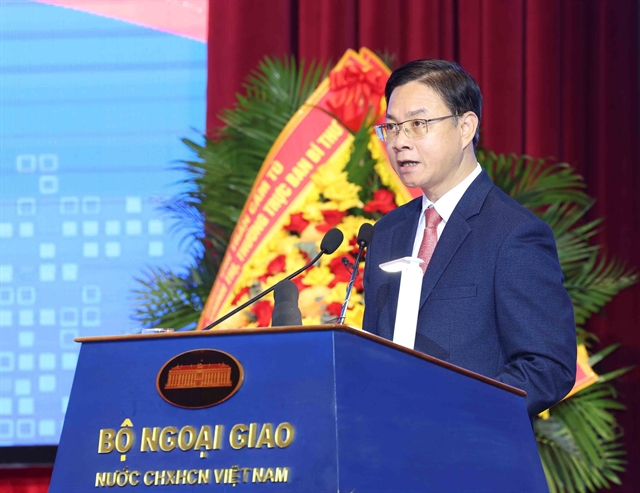 |
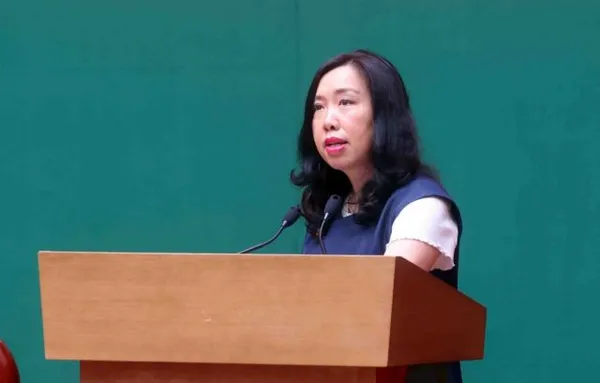
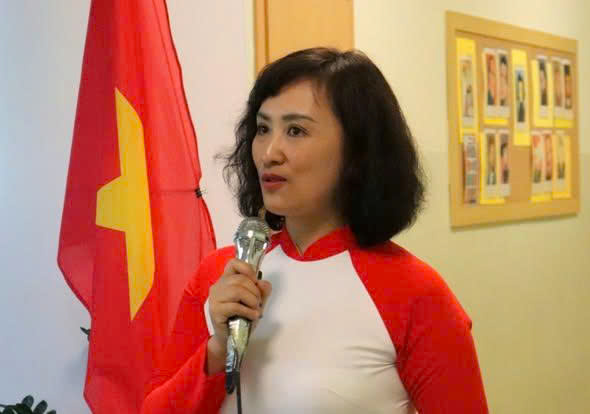
| Ngô Lê Văn, Deputy Foreign Minister and Chairman of the Việt Nam National Commission for UNESCO. — VNA/VNS Photo Phương Hoa |
Deputy Foreign Minister and Chairman of the Việt Nam National Commission for UNESCO Ngô Lê Văn spoke to the media following the adoption by the 80th session of the United Nations General Assembly of the initiative to establish the 'International Decade of Culture for Sustainable Development'.
As the world faces a range of interconnected development challenges, why is there a need to give culture a more prominent and substantive place in thinking about sustainable development and what changes in awareness, policy and action does the 'International Decade of Culture for Sustainable Development 2027-36' seek to bring?
The world is currently facing a host of complex and interconnected development challenges. This has further underscored the urgent need for a balanced, inclusive and people-centred development model. The United Nations 2030 Agenda recognised at an early stage the role of cultural diversity and civilisations in sustainable development. Recent international forums have also demonstrated a growing trend towards integrating culture more substantively into development policies, with the 'International Decade of Culture for Sustainable Development 2027-36' providing a clear and vivid example.
The initiative seeks to bring about changes in three key areas. In terms of awareness, it promotes a more comprehensive understanding of the role of culture in sustainable development.
In terms of policy, it calls for culture to be effectively integrated into economic, social and environmental development policies and strategies, while encouraging appropriate investment, policy improvements, and greater access to, participation in and enjoyment of culture.
In terms of action, the initiative will help promote cooperation programmes, knowledge sharing, capacity building, resource mobilisation and the participation of governments, international organisations, academia, communities and the private sector.
In my view, the initiative’s key significance lies in creating momentum to turn awareness and commitments into substantive action. The success of the decade must be demonstrated through concrete results: culture becoming a driving force in development policies, resources being mobilised effectively, and people and communities genuinely becoming the central beneficiaries of development gains.
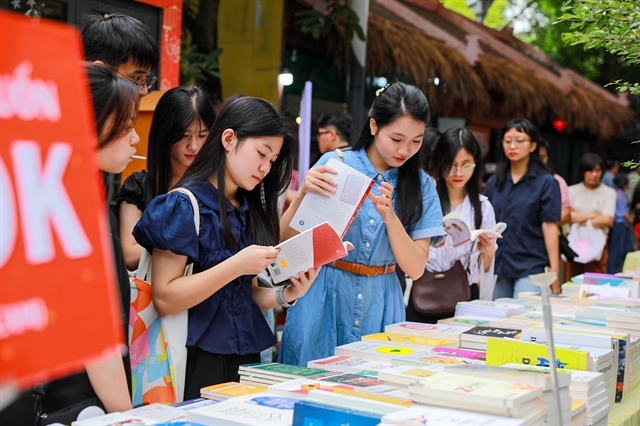 |
| Young people at the opening ceremony of the 2026 Hà Nội Book and Reading Culture Festival in Aprl. — VNA/VNS Photo Khánh Hòa |
From a proposal put forward by Việt Nam to an initiative that has secured broad co-sponsorship and support from the international community, there has been a notable process of multilateral diplomacy. How do you assess Việt Nam’s role in developing, promoting and building consensus around the initiative and moving forward, what will Việt Nam do to turn the support into concrete programmes, resources and results?
I think the most noteworthy aspect of the process is that Việt Nam proactively proposed an initiative arising from the practical requirements of the country’s own development while also responding to the international community’s growing interest in the role of culture in sustainable development.
The convergence between Việt Nam’s priorities and shared international interests provided an important foundation for the initiative to receive widespread support and endorsement. Moving from an initial idea to an initiative backed by the international community required an extensive and systematic process of preparation, consultation and multilateral diplomacy. Việt Nam proactively engaged with UNESCO, Member States and partners, taking on board a range of views to gradually refine the substance of the initiative and broaden its co-sponsorship and support.
At the 43rd session of the UNESCO General Conference, the initiative proposed by Việt Nam was adopted by consensus. Building on this, Việt Nam continued to work with UNESCO and its partners to advance the initiative at the United Nations. On September 4, 2026, the 80th session of the United Nations General Assembly adopted a resolution launching the 'International Decade of Culture for Sustainable Development 2027-36', co-sponsored by 103 countries from different geographical regions and at varying levels of development.
I believe the deeper significance of the process lies in the strong transformation of Việt Nam’s multilateral diplomacy. Alongside seriously fulfilling our international commitments, we are becoming increasingly proactive in proposing initiatives, contributing ideas, sharing experience and working with partners to build consensus on issues of common interest.
Through this, Việt Nam’s development priorities are being better aligned with international agendas, while we are also gaining greater opportunities to make more substantive contributions to the common work of the international community.
The adoption of the initiative, however, is only the beginning. The value of the decade will ultimately be determined by the quality of its implementation and the concrete results it generates over the next ten years.
Việt Nam will continue to work closely with UNESCO, United Nations agencies, Member States and partners to develop action plans and identify focused, practical and feasible areas of cooperation.
At the same time, we will promote knowledge sharing, strengthen capacity building, advance South–South and triangular cooperation, and mobilise the participation of localities, academia, communities and the private sector.
These are also among the cooperation mechanisms set out in the resolution, aimed at expanding resources and supporting countries, particularly developing countries, in making better use of culture’s contribution to sustainable development.
For Việt Nam, implementing the decade will be a practical step towards the coordinated implementation of the Party’s major orientations, including Politburo Resolution No 59 on international integration in the new situation, which identifies international integration as a strategic driving force; Politburo Resolution No 80 on the development of Vietnamese culture, which affirms that culture is a foundation, an important endogenous resource and a driving force for the country’s rapid and sustainable development; and Politburo Resolution No 06 on implementing the foreign policy outlined at the 14th National Party Congress, reflecting the spirit of proactively contributing to and participating in shaping international agendas while promoting the pioneering role of foreign affairs in serving national development.
Implementing the decade will enable Việt Nam to further harness its cultural, intellectual and creative strengths in the process of deepening international integration. It will also allow us to make practical contributions to the world’s cultural heritage and the advancement of human civilisation, in the interests of peace, prosperity and sustainable development. — VNS
Opinion
 Opinion
 Opinion
 Opinion
 Opinion
 Opinion
 Opinion
 Opinion
 Opinion
 Opinion
 Opinion
 Opinion
 Opinion
 Opinion
 Opinion